
In a heart-wrenching tale of familial strife, one woman finds herself caught in the emotional whirlwind created by her sister’s tumultuous marriage to a widower and the rejection from his three children. Over the course of ten years, the older sister has devoted herself to winning the love of her stepchildren, but the uphill battle has left her younger sister exhausted and questioning how much longer she can play the supportive role in this ongoing drama.
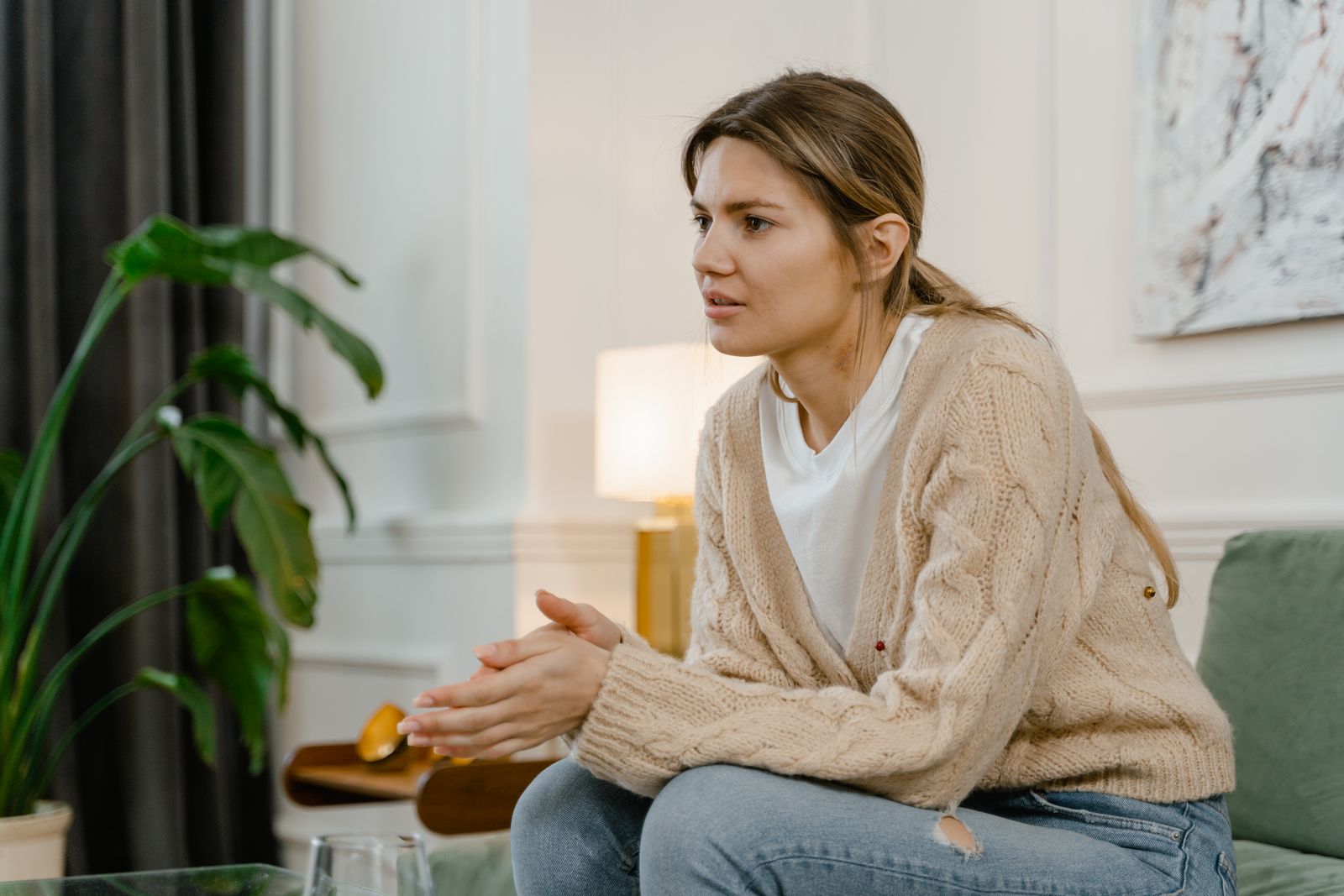
The older sister, 36, married a widower, 40, whose three children were still grieving the loss of their mother. Despite knowing the potential for conflict, she committed to stepping into a motherly role, convinced that with time, the children’s hearts would soften towards her. From the very beginning, however, the stepkids demonstrated an unwillingness to accept her, refusing to even acknowledge her presence during their father’s courtship. Things escalated dramatically after their engagement, with the children subjecting her to verbal abuse and outright hostility. They not only ignored her; they would hurl insults, physically lash out, and even destroy cherished possessions, including a vase given to her by their late grandmother.
The younger sister, 29, has been her sibling’s steadfast emotional support throughout this tumultuous decade. She recalls how her sister would often sob about the constant rejection and the cruelty she faced from the children while expressing her love for them and her husband. “They want nothing to do with her and just verbally abuse her all the time,” she shared. The few moments of respite would come from individual therapy sessions for the children, yet family therapy proved to be a disheartening experience where the children made their feelings crystal clear: they did not see her as a stepmother and wished her harm. “They want her dead,” the younger sister recounted her sibling’s revelations about the sessions, detailing the anguish and frustration that had only intensified over the years.
As emotional strain mounted, it became evident that the older sister was stuck in a toxic cycle of disappointment. Her husband, while supportive at times, failed to provide the necessary intervention as he often encouraged her to keep trying or to simply talk to the children. “He only steps in when they spit on her,” the younger sibling pointed out, emphasizing that there seemed to be little accountability on his part when it came to the children’s unacceptable behavior.
With each passing year, the younger sister found herself growing weary of the emotional burden. She often questioned how much longer she could remain a shoulder for her sister to cry on while the latter showed no signs of making significant changes to alleviate her own suffering. “I love my sister, but I am so tired,” she confessed in her post, expressing a desperation for her sister to take action rather than continuously subjecting herself to further humiliation.
As the story garnered attention online, many readers rallied to support the younger sister’s frustrations. Some acknowledged the daunting nature of blended families and the challenges that come with them, while others decried the older sister’s apparent unwillingness to advocate for herself. The sentiments ranged from empathy towards the older sister’s plight to outright frustration at her lack of change. “It’s been a decade; you have to set boundaries,” echoed many commenters, suggesting that the older sister needs to communicate her feelings and expectations to both her husband and stepchildren with the seriousness they deserve.
Yet, amid this cacophony of advice, there was a palpable sense of concern for the younger sister, who has emotionally drained herself supporting a family dynamic that seems increasingly untenable. Comments reflected a shared understanding of her plight: “You shouldn’t have to be the only one caring about her mental health,” one reader stated, offering a sense of validation for her feelings of exhaustion. It was clear that, while the older sister battles her demons, the younger sister feels trapped in a role that is becoming increasingly unsustainable.
As they both navigate the tricky terrain of familial love and emotional well-being, the future of their relationship hangs in the balance. The younger sister is left grappling with the question: how much longer can she be the supportive sibling before she has to prioritize her own mental health?
More from Willow and Hearth:
Leave a Reply