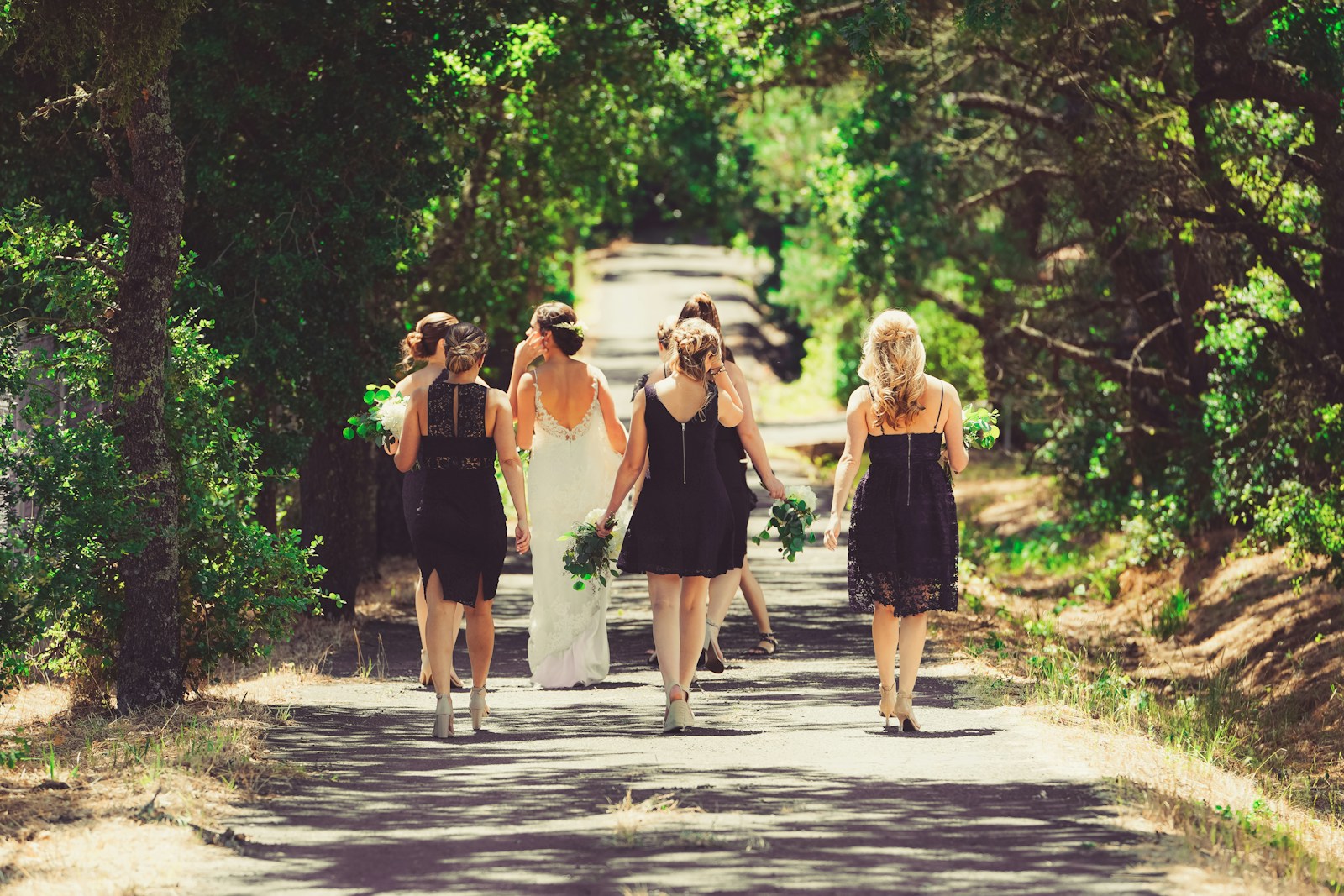
In an unconventional wedding twist, a young bride’s decision to mandate all guests wear black attire has raised eyebrows and sparked controversy among family members. One confused attendee, a close cousin of the bride, expressed their bewilderment over the dress code, which felt more like a call to a funeral than a celebration of love.

The saga begins with a save-the-date card that sets the tone for what promises to be a unique wedding next spring. Titled “Black Tie – All guests are required to wear black attire,” the card left the attendee wondering about the rationale behind such a strange request. “Why would I be told what color to wear to a wedding?” the concerned family member pondered. They felt that a dress mandate not only stripped guests of their individual expression but also made the event feel more somber than festive.
Seeking clarity, the cousin approached the bride directly, hoping for some insight into her unorthodox vision. The response was surprising. The bride justified her choice by stating that she wanted to stand out amidst a sea of black outfits. “So she stands out,” the attendee quoted the bride, perplexed by the prioritization of the bride’s visibility over the comfort and creativity of her guests. Such a reasoning left the cousin feeling increasingly frustrated, as they envisioned the imminent wedding gathering resembling a shadowy procession rather than a joyous celebration.
The cousin’s plight resonates with anyone who has encountered family conflict over wedding preparations. It raises the timeless question of how much control a couple should exert over their guests’ choices on their special day. Such directives can lead to awkward conversations, especially when they clash with individual preferences or cultural norms surrounding celebrations.
As the story circulated, it captured the attention of many readers who chimed in with their own experiences and opinions. While some remarked that enforcing a strict dress code may seem overzealous, others sympathized with the bride’s desire for a cohesive aesthetic. However, the primary sentiment echoed among the comments seemed to lean toward disbelief at the situation. “This feels more like a costume party than a wedding,” one user commented, capturing the essence of the bewildered cousin’s sentiment.
Further delving into the implications, several readers raised concerns about the potential fallout from such an unusual dress code. What would happen if guests opted out of the black ensemble? Would they feel unwelcome? Would it cast a shadow over the festivities? The cousin’s apprehension likely reflects an unease common among many wedding guests who find themselves navigating the delicate balance between personal expression and adherence to the couple’s vision.
As the wedding day approaches, the tension remains palpable. The cousin’s frustration over this peculiar dress code underscores a wider conversation about the customs surrounding weddings and how they can shape interpersonal relationships within families. With the bride’s insistence on a monochromatic theme for guests, it’s hard not to wonder how this unconventional choice will impact the event’s atmosphere and guest experience. Will attendees feel like they’re participating in a fashionable affair, or will they merely be extras in the bride’s dramatic vision?
More from Willow and Hearth:
Leave a Reply