New homes going up across the country are sitting on some of the smallest lots builders have platted in decades, and the shrinkage is not accidental. Median lot sizes for new single-family homes held near historic lows in 2025, and builders say trimming the parcel beneath a house is now one of the few remaining levers they have to keep a finished home within reach of ordinary buyers.
The National Association of Home Builders reported in its blog post Lot Sizes for New Homes Remained Near Historic Lows in 2025 that the median lot size for a new single-family detached home stayed compressed last year, extending a pattern that has held for close to a decade. The figures, drawn from Census Bureau data and analyzed by NAHB economists, show the quarter-acre starter-home lot common a generation ago has largely given way to tighter parcels nationwide.
NAHB’s economics team, writing on its Eye on Housing blog, described the pattern in Shrinking Lots: Trend Levels Off as Smaller Lots Remain the Norm. The post notes that while the multi-year decline in lot sizes has flattened rather than continuing to fall, it has leveled off at the smaller end of the historical range. The reduced footprint builders adopted in recent years has become the working baseline for new-home communities rather than a temporary dip.
NAHB has said plainly that this baseline reflects a deliberate builder response to affordability pressure. Shrinking lots, along with shrinking home sizes and simplified floor plans, are choices tied to cost, not a shift in buyer taste. In a press release titled Affordability Headwinds Driving Home Buyers’ Interest in Smaller, More Personalized Homes in 2025, the association tied rising land, labor, and financing costs to builders’ decisions to cut square footage and lot size to hold a sale price that a buyer priced out of a larger lot can still qualify for.
The math is straightforward. Land is typically the one line item a builder can trim without touching the price of lumber, concrete, or skilled labor, all of which have climbed in recent years. A smaller lot lowers the cost of the parcel, reduces site grading expenses, and shrinks the linear footage of utility lines, curbs, and sidewalks installed before a foundation is poured. Stacked together, those savings can be the difference between a listed price a household can finance and one that pushes the monthly payment past what a lender will approve.
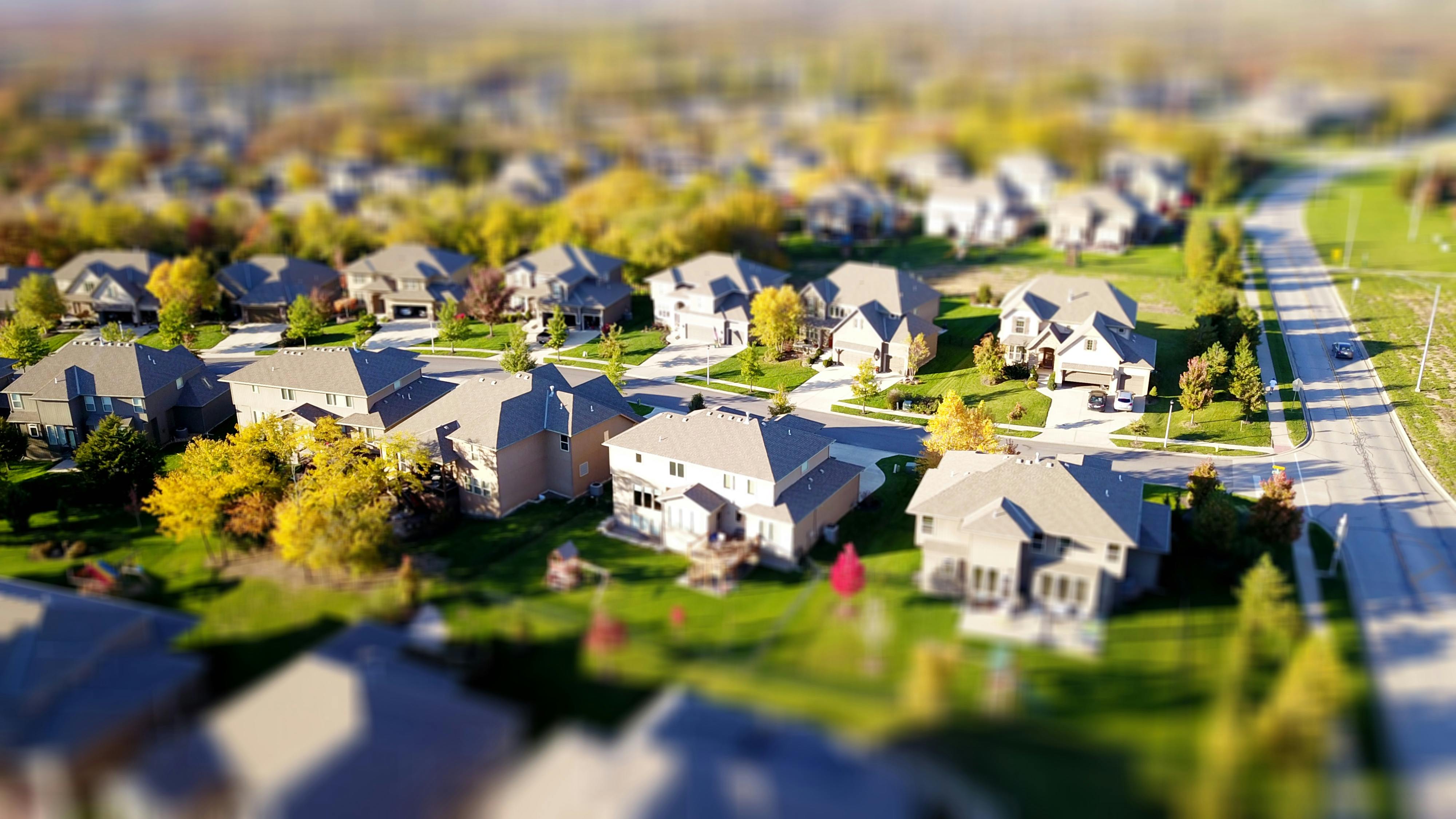
For buyers, the trade-off shows up mainly in yard size and the distance between homes, with driveways, side setbacks, and rear yards pulled in tighter than in subdivisions built a generation ago. Builders have leaned into that constraint, marketing smaller-lot homes around low-maintenance living and efficient use of space rather than expansive acreage, a framing NAHB tied to buyers’ growing interest in smaller, more personalized homes as a way to stay in the market at all.
Construction costs and mortgage rates are still weighing on what households can borrow, and NAHB’s own data suggests lot sizes are unlikely to rebound toward pre-2010s norms soon. The 2025 figures, reported by the association in mid-2026, indicate builders increasingly treat a smaller footprint as one of the clearest tools left for keeping a starter home priced within reach of a first-time buyer.
Leave a Reply