A $135,000 price tag on a Baltimore mansion sounds like a typo until you hear the condition. The house was close to 7,000 square feet and, in the words of the creator who tells the story, “falling apart.”
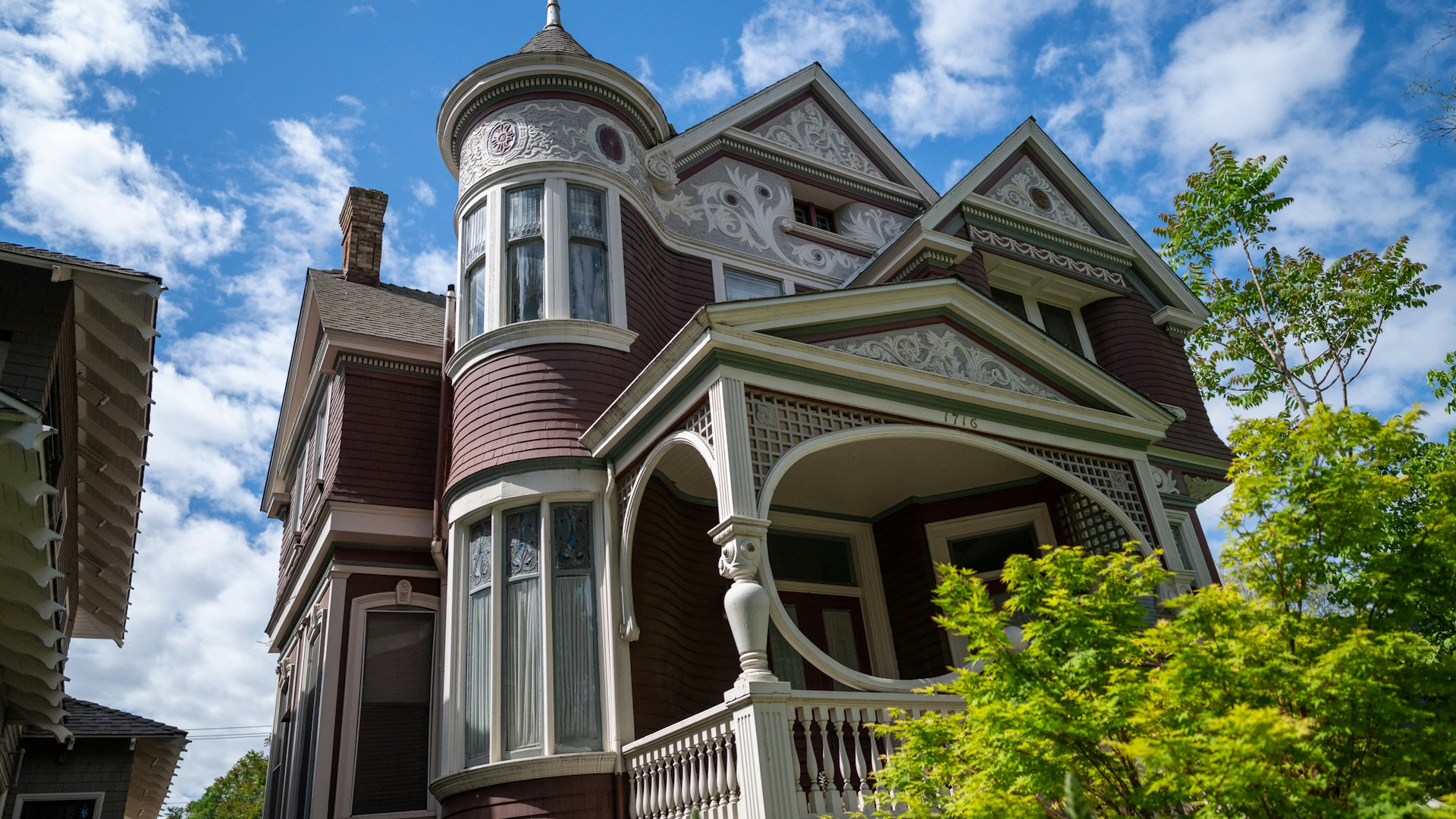
The buyers fixed it up, and less than a year later they sold it for $460,000. That is a jump of $325,000, which makes for a juicy headline. But the account behind the story, MD Real Estate Show, is quick to add that the number is not the whole picture.
The real payoff, according to the post, was a hidden second half to the deal: a 10-year property tax break that changed what the house was worth to the next owner.
View this post on Instagram
A $325,000 Jump Is Not The Same As $325,000 In Profit
Here is a detail worth keeping. The creator is careful to say the gain from $135,000 to $460,000 is a jump, not profit. The renovation, the holding costs and the selling costs still had to be paid, and plenty of flip stories skip that part.
The post, shared on September 14, 2026, is built on figures the creator reports firsthand. Remember that a big sale price only tells you what came in, not what went out, and that renovation spending always sits between the two numbers.
Because The House Was Historic, They Could Not Fix It Any Way They Wanted
The mansion was historic, and that came with rules. The buyers took their plans to an outside review and then got approval from CHAP, Baltimore’s Commission for Historical and Architectural Preservation. They kept the old look of the house.
That approval is where the story turns. For doing the work right, the city gave the house a 10-year tax break.
The Tax Bill Dropped From Almost $11,000 To About $3,200
The numbers in the post are striking. The yearly tax bill fell from almost $11,000 to about $3,200 during the credit period.
When the credit ended, the bill climbed to almost $20,000 a year. The creator says the program likely saved the homeowner between $80,000 and $100,000.
On the figures given, the math is easy to run. The difference between $11,000 and $3,200 is $7,800 a year, which over ten years is roughly $78,000. That is our arithmetic, not the creator’s, and the creator’s range runs a little higher, perhaps because assessments rise over time.
The post closes with a line worth remembering: buying it cheap was only half the deal, and knowing about the program was the other half.
How The City Program Works, In Plain Words
Baltimore City offers a Historic Restoration and Rehabilitation Property Tax Credit, run by CHAP. As the city describes the program, it reduces the city’s property tax, not the state’s.
The house must be in a city-designated historic district, a National Register historic district or a landmark district. The owner must apply and get approval from CHAP staff before any work begins. Projects started or finished before approval do not qualify.
The work must meet either CHAP’s design guidelines or the federal Secretary of the Interior’s standards for rehabilitation. That is why the creator says the buyers could not fix the house any way they wanted.
The spending has to be large, too. The rehabilitation cost must be more than 25% of the property’s value before the work. Applications need photographs, a detailed scope of work and a $50 review fee.
The Credit Lasts A Decade And Can Pass To The Next Owner
The credit lasts 10 years, starting with the first assessment after the work is finished. In plain terms, it equals the difference between the city tax on the improved value and the city tax on the original base-year value. The owner does not pay city tax on the added value the renovation created for a decade.
The city’s program page says the credit can pass to later owners for the years that remain. That is why a buyer who takes over a renovated historic house may benefit too, and why the post says “the homeowner” was the one who saved.
The program page notes that terms can change, so anyone interested should confirm the current rules with the city before planning a project.
What This Means For Buyers And Investors
The post offers three lessons, all of them useful. First, separate the sale price from the profit, and count every cost that sits between them.
Second, understand what owning a historic property really involves. There are approvals to win and strict standards to meet, and the old look of the house has to stay. That takes patience, and it can take money.
Third, look for the tax credit. It only applies in listed historic districts, only with approval first and only to Baltimore City taxes. This is not tax advice, and the best next step is a call to the city’s preservation office to confirm what applies to a particular property.
If you are shopping for a fixer-upper, ask early whether the house sits in a historic district and what approvals are required before you pull a single permit. A bargain price can hide a bigger bargain, but only for buyers who do their homework first.
More Stories You May Like
- Homeowner Faces A $6,400 Escrow Shortage That Would Push Her Mortgage From $2,400 To $3,200, So She Calls The Lender And Drops It To $1,600
- Former Real Estate Agent Shares 22 Screenshots Of Lazy Landlords, From Painting Over Mold To Using 100 Nails As A Shim On A Closet Rod, Plus A Furnished Bed Swapped For A Folded Lawn Chair
- Portable Generators Are One Of The Leading Causes Of Post Storm Carbon Monoxide Deaths, And Federal Officials Say Never Run One Closer Than 20 Feet From Your House
Leave a Reply