
In an unexpected turn of events, a homeowner in Colorado has found herself hosting some rather slithery guests after local construction activities displaced wildlife from their natural habitats. The situation unfolded when the ongoing expansion of a nearby homeowners association (HOA) and a newly built church began clearing land, driving a variety of creatures, including snakes, into her yard.
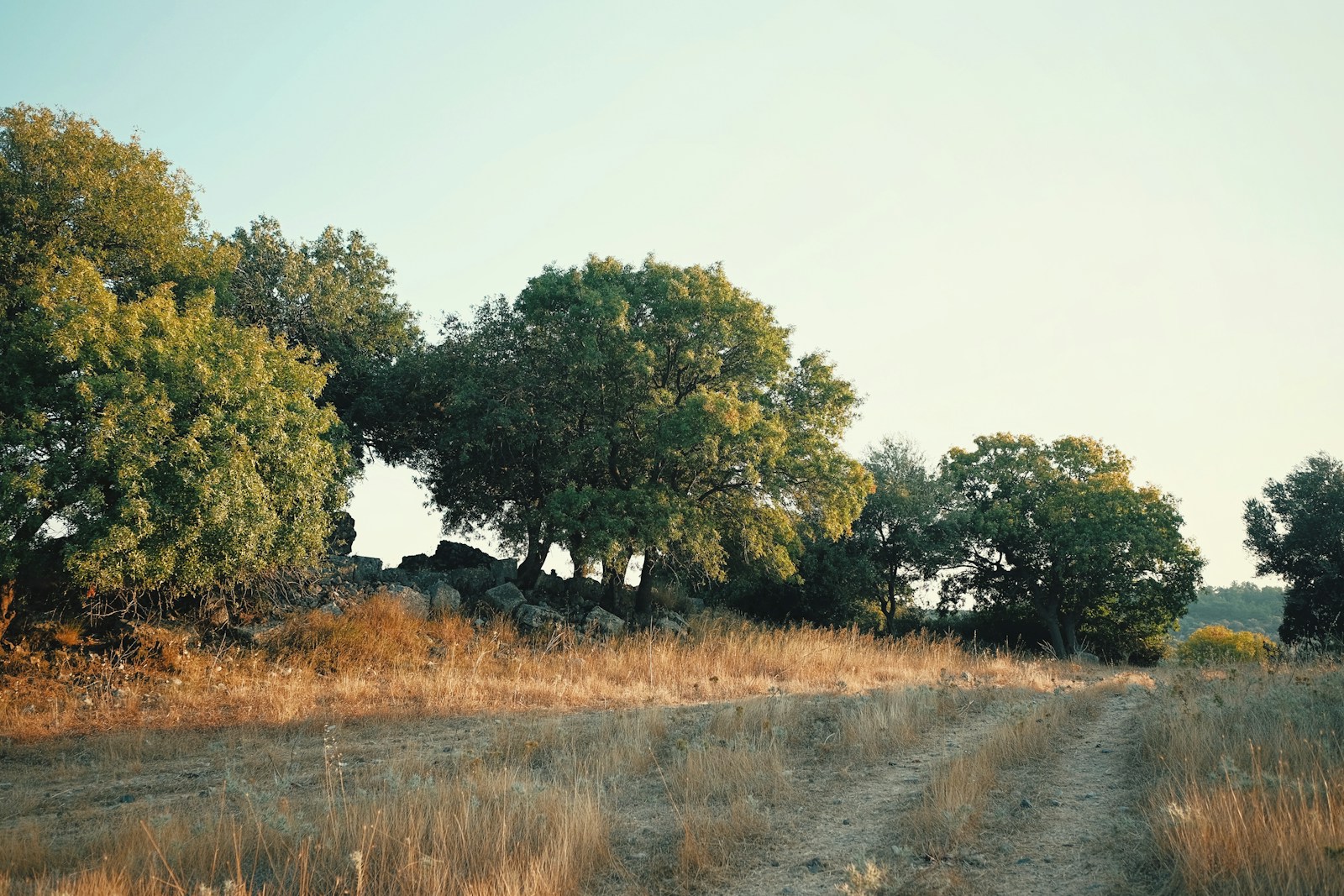
For the past four years, the homeowner, who holds a wildlife degree, had enjoyed the serene beauty of her property, which is home to roughly 200 trees scattered across 1.5 acres. Thanks to her dedication to maintaining a natural landscape filled with native plants, her yard has become a vibrant haven for local wildlife. She has witnessed a flourishing ecosystem, hosting opossums, chipmunks, deer, and a variety of birds, including a resident barred owl and a flying squirrel. However, the arrival of two snakes within just five days of construction activity has turned her tranquil property into an unexpected wildlife sanctuary.
The homeowner’s unique situation highlights the impact that land development has on local wildlife. With construction activities encroaching on their habitats, animals are often forced to flee in search of new homes, inadvertently seeking refuge in residential areas. In this instance, the homeowner’s property, with its abundant greenery and natural features, has become a prime location for displaced creatures.
“We have lived in our house for four years and haven’t seen a single snake,” she shared. “But with the giant HOA neighborhood expansion on one end of the road and the church on the other, the snakes have come into our yard.” This sentiment is echoed by many who find themselves caught in the crossfire of urban development and wildlife displacement.
The homeowner’s commitment to preserving her land not only benefits the snakes but also enriches her own living environment. By choosing to cultivate a diverse array of native flora, she has created a sustainable habitat that supports various species. Her yard is not just a patch of greenery; it is a carefully curated ecosystem that thrives on the natural interplay between its inhabitants.
As these new guests settle into their makeshift home, the homeowner reflects on the changes taking place around her. She embraces the addition of snakes, viewing them as part of the unique tapestry of life that her yard represents. “I guess we’re just a wildlife sanctuary now,” she humorously remarked, suggesting a sense of pride in her unintentional role in providing refuge for these creatures.
The situation also sheds light on a broader concern regarding urban development and its implications for local ecosystems. As cities expand and new neighborhoods emerge, the fragile relationship between humans and wildlife becomes increasingly strained. The stories of individuals like the Colorado homeowner serve as a reminder of the need for responsible development practices that take into account the habitats of native species.
Community members are encouraged to find ways to coexist with wildlife, turning their backyards into supportive environments for displaced animals. From maintaining native plants to creating safe spaces for creatures to thrive, homeowners can play a significant role in fostering biodiversity amidst urban landscapes.
As the homeowner continues to welcome her new slithery residents, she remains vigilant in her efforts to maintain a natural balance on her property. The arrival of the snakes may have been prompted by unfortunate circumstances, but it has also opened the door to new experiences and connections with nature.
In her journey as a de facto wildlife sanctuary, the homeowner not only finds joy in sharing her space with snakes but also in understanding the delicate relationship between urban development and wildlife preservation. Perhaps her story will inspire others to embrace the wild side of their own homes, fostering a deeper appreciation for the creatures that share our spaces.
More from Willow and Hearth:
Leave a Reply