In the world of renting, expectations and realities often collide in unique and challenging ways. A recent post on Reddit sheds light on one such situation faced by tenants in Connecticut, who are grappling with landlord demands that have sparked frustration and confusion. The tenants, who occupy the bottom floor of a split family house, found themselves at odds with their live-out landlords regarding the use of their rented driveway.
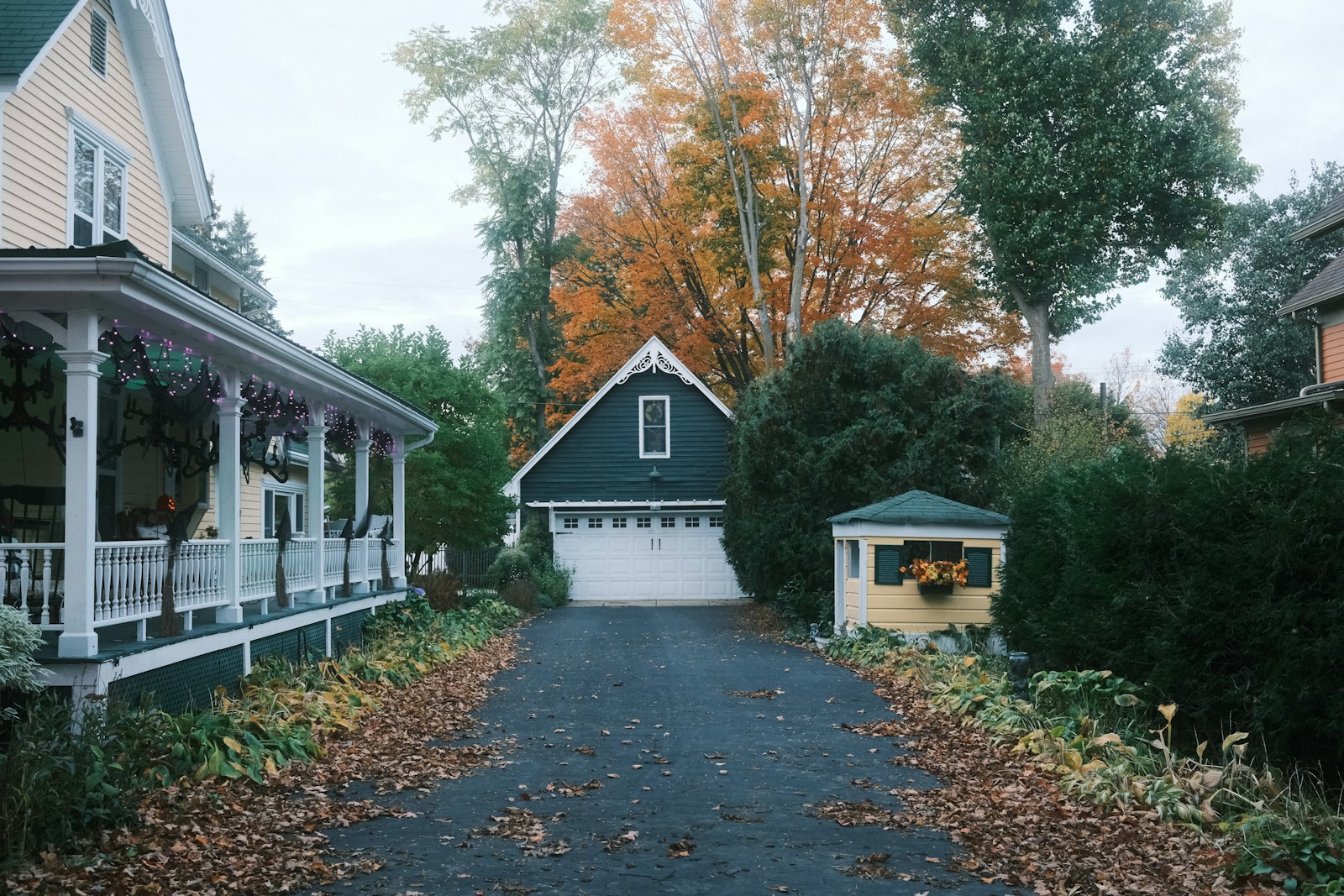
Initially, the tenants enjoyed their home, which included access to the driveway. However, their landlords, who had lived in the top unit for a year, have since moved out and begun making regular requests for the tenants to refrain from using the driveway. This has become a recurring theme, particularly during weekends when the landlords’ out-of-town family members arrive in droves.
As detailed in the Reddit post, the landlords have asked the tenants not to use the driveway so that their family can park. The first few requests felt reasonable—a day or two of limited access seemed manageable. However, as these requests grew more frequent, the tenants began to question why their landlords couldn’t encourage their guests to utilize street parking instead. After all, the driveway is something the tenants are paying for as part of their lease agreement.
One tenant expressed concerns about proper communication with the landlords, noting that the landlords seem to lack an understanding of the tenants’ needs. The situation has become increasingly bothersome; at one point, there were nine cars parked in the driveway for a family gathering that included 17 guests. The tenants were left feeling like they were living in someone else’s house rather than their own home, as their landlords continuously asserted control over shared spaces and access.
Adding to the confusion is the question of whether these family visits are legitimate or if the landlords might be engaging in a form of Airbnb-style rentals. This suspicion has been fueled by the regularity of weekend gatherings, prompting the tenants to consider asking more pointed questions to clarify the situation. After all, a seamless living experience hinges on transparent communication, especially in a shared housing arrangement.
The emotional toll of not feeling at home in a space specifically rented for that purpose is palpable. The tenants find themselves balancing respect for the landlord’s needs with the realization that they also deserve to feel at home in their own living space. They are left wondering where to draw the line and whether their grievances are valid or merely the expected bumps in the road of renting.
In light of these challenges, some tenants may wonder how to navigate their own rental situations if they find themselves in similar predicaments. Optimal communication with landlords is vital, establishing clear boundaries regarding the use of shared spaces is key, and understanding one’s rights as a tenant is essential in maintaining a harmonious living environment. However, mortgage holders must also recognize that mutual respect is important for fostering a positive landlord-tenant relationship.
As the story illustrates, renting is not just a financial transaction—it’s a partnership that requires cooperation from both parties. Whether it’s about driveway access or other communal living issues, tenants and landlords need to work together to create a living atmosphere that allows for everyone’s needs to be addressed.
Ultimately, the Connecticut tenants’ plight serves as a reminder of the complexities inherent in rental living. Understanding where both sides stand can help to alleviate tensions and pave the way for a more enjoyable living experience. Whether the situation will resolve favorably remains to be seen, but it’s clear that open dialogue is essential in navigating the challenges of shared living arrangements.
More from Willow and Hearth:
Leave a Reply