Sometimes a change of plans turns into a whole new way of life. @holliday.ridge shared the story of how her family went from a comfortable house with a garage and a barn to living off grid on 50 acres, powered by solar panels her husband installed himself.
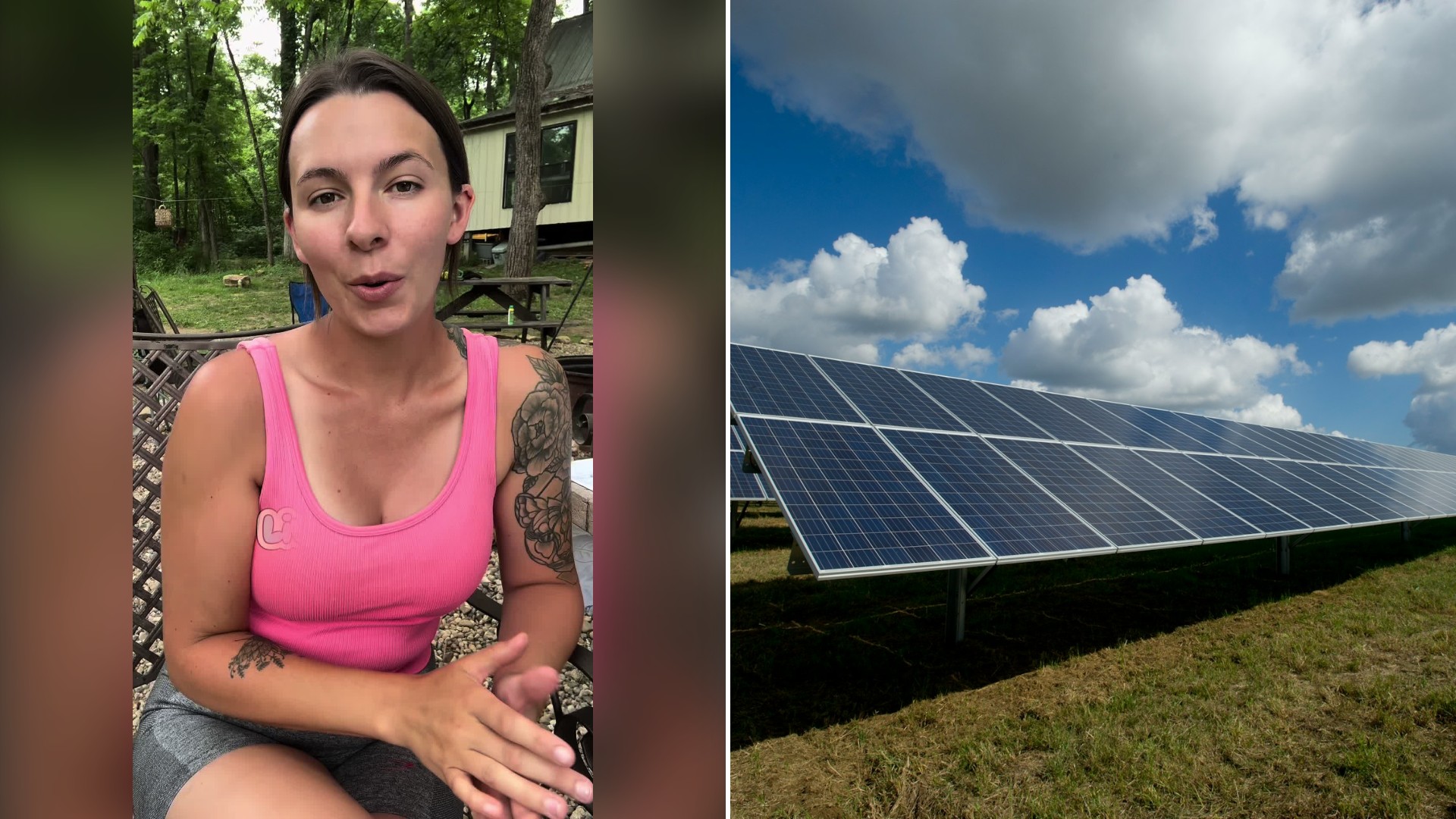
The turning point was a price tag. Running utility power to their land would have cost at least $30,000, and the family chose a solar setup instead. Here is how it all happened, followed by general advice for anyone curious about going off grid.
@holliday.ridge
Selling the Comfortable House
A little over a year ago, the couple sold the home they had lived in for about three years. It was a big house with a garage and a barn, and they were living comfortably. The plan was to buy five acres from her parents and build their dream forever home. On the day they moved out, they moved in with her grandmother for a while as they prepared to begin that process.
Amish Land Next Door
Then her husband spotted land that adjoined theirs, being sold by the Amish. He decided they had to buy it, and he made it happen. The family now has 50 acres in total. The purchase came with a small cabin the Amish had built, overlooking a pond. At first they just tossed around the idea of doing something with it, and off grid living felt like a fairy tale. She said they kept talking themselves out of it, worried it would be too complicated with four kids. Going off grid had been her idea from the start.
The $30,000 Question
Getting power to the back of the property would have cost at least $30,000. Even after paying that, she said, the family would be stuck with a monthly energy bill and rising prices every year. They were tired of owing the power company more every month, so they decided they were done with that. Her husband researched how to install solar panels and what it takes to run a solar powered house, learning from online tutorials with remarkable speed.
A $13,000 Solar Setup
They bought the solar panels, the inverter and the batteries, and her husband put it all in himself with help from family. She said it was hard work, and she is still amazed by how quickly he learned everything about solar. The setup cost around $13,000 to get started, and she says it runs the house with no problems. The only trouble comes after three full days of rain in a row, when they hook up a generator for extra support. They plan to fix that by winter by connecting 12 more panels to the main house and adding one more battery.
Gardens, Berries and 41 Chickens
Asked whether they regret it, she said no, and described feeling empowered to say they have no water bill and no power bill. Her four boys have 50 acres to hunt on and ride dirt bikes across. The homestead is growing too. She has a garden and herbs, bee boxes are set up and waiting for a colony, and the orchard includes 18 blueberry bushes, plus blackberries and elderberries on the way. They keep 41 chickens. She hopes to add a barn, goats again, and cows, and her son Andrew would like peacocks. The earlier Nigerian dwarf goats were sold when winter arrived without a good shelter.
General Tips Before Going Off Grid
Every property and family is different, so treat these as general guidance rather than details of this story.
Solar sizing is easier when you know your numbers. Add up the watts used by appliances, lights and pumps, estimate the hours of daily use, and then add a buffer of at least twenty percent. Keep a simple log of battery levels through your first winter so you can see how the system really performs and where it needs help.
- Get a utility quote first. Comparing the real cost of a power hookup against a solar system tells you whether going off grid makes financial sense.
- Add up your daily energy use. Panels, inverters and batteries should be sized to your actual needs, with extra capacity for cloudy stretches.
- Plan a backup. A generator is a common safety net for long spells of poor sun, and it is better to have one before you need it.
- Respect electrical safety. Battery banks and high voltage wiring can be dangerous, so check local codes and consider having a licensed electrician review a self installed system.
- Check permits and zoning. Many areas have rules for solar, wells, septic and homes on rural land, so ask your county before building.
- Build in stages. Start with the essentials, then add panels, batteries, animals and gardens as time and money allow.
- Shelter animals before you buy them. Housing, fencing and winter plans should be ready first.
A Different Kind of Freedom
This family did not set out to live off grid. A sale, a parcel of Amish land and a very large estimate for a power hookup pushed them in that direction, and a husband willing to learn made it possible. Her message to others is open and encouraging: going off grid is a big step, especially without the means or resources, but it can be done, and she is happy to share what they have learned along the way.
Leave a Reply