“Everybody loves a good neighbor drama story, so here’s ours.” That is how a mom who posts as @ashsway starts her tale, and anyone who has lived next to a difficult neighbor will be nodding along.
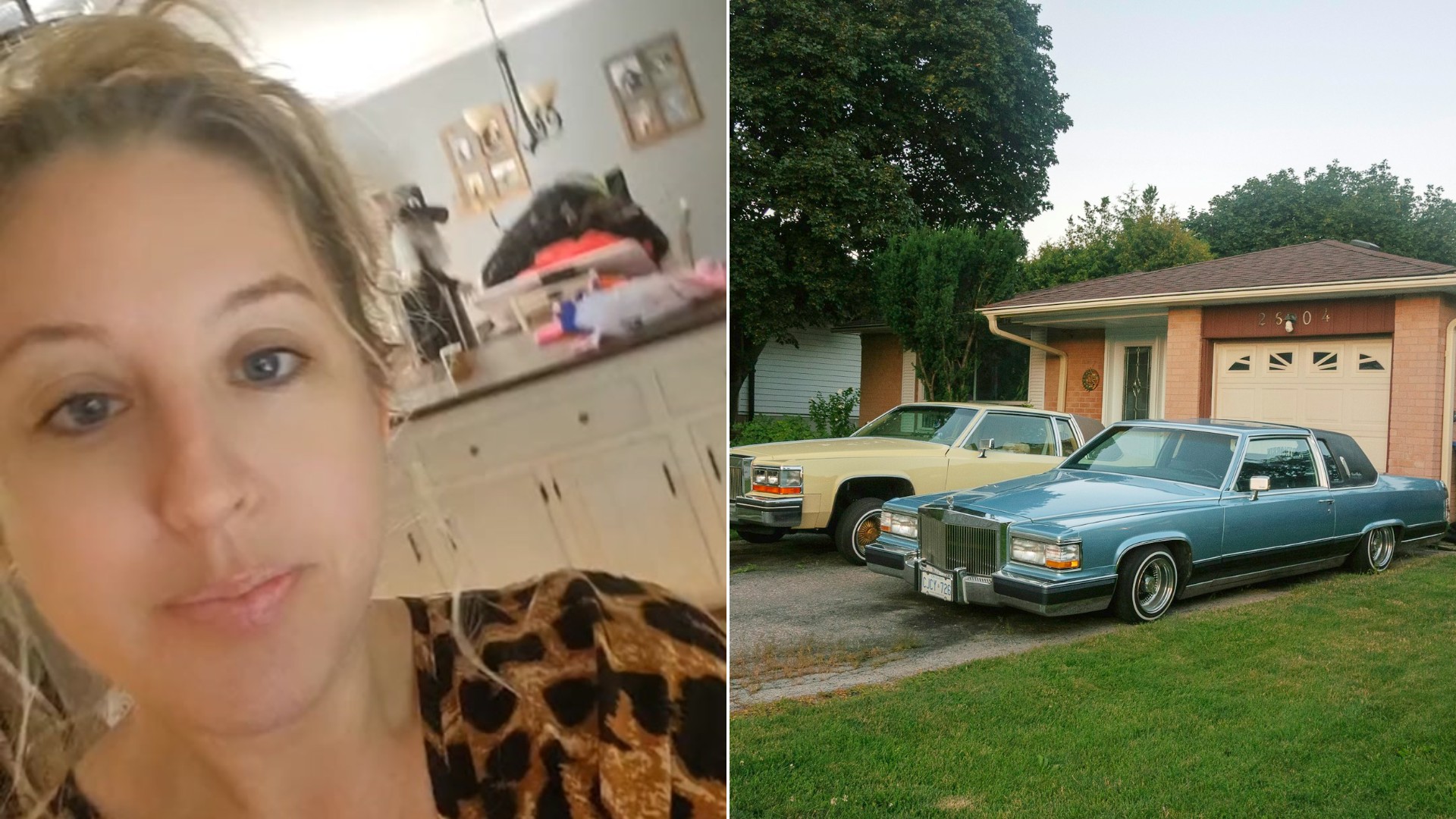
She and her husband moved into their house about 10 years ago, and since then they have had what she calls little petty encounters with the neighbors directly beside them: an older woman and her adult son, who lives with her.
Some of it, she says, goes beyond petty. The older woman has come over and harassed people the couple hired to do work, including help with their patio.
@ashsway
A strip of grass nobody agreed on
The lawn is where it gets complicated. The neighbor’s son comes into their yard and mows a section near the front that the neighbors believe belongs to them. The couple let it go for years. They did not know where the property line was, so they took the neighbors’ word for it, along with what other neighbors had told them.
Then there is the schedule. He likes to mow at night all summer long, she says, around eight or nine o’clock in the evening. She understands that people avoid the heat, but she points out that it is every single time.
Junk cars and running engines
The next complaint is what she calls the junk cars. The neighbors have eight or nine cars in their driveway area, and the son works on them at all hours of the night, running the engines. She explains that it is nine o’clock and she is trying to get her kids to sleep while engines roar next door.
That is why the couple want to put up a private fence. They would like to stop looking at all of it and deal with the noise and the clutter a little less. Her description of what happened next is where the story turns. She says the stakes that mark the line were moved, and that the neighbors were weed eating the little area they believe is theirs.
She and her husband did not respond in the moment. They did not even go outside. They kept their windows drawn and tried to keep the peace.
Paperwork in hand
Today is different. They are going over to the neighbors’ house with all of their paperwork. She says she will record the interaction “for posterity” and to show that they are staying civil. All they want is for the neighbor’s things to be removed from their property so they can build the fence. Then comes her closing line: “We’ll see how it goes.”
We do not know how the conversation went, so we will leave that part open. What we can do is look at how families in the same spot can protect themselves.
How to handle a property line dispute
- Get a survey. A licensed land surveyor can mark the boundaries of your lot, and a survey is much stronger than anyone’s memory or what the neighbors say. Check your closing paperwork, as one may already exist.
- Be careful about what stakes mean. Survey stakes and markers are usually meant to stay put. If they have been moved, take photos and note the date.
- Look up permit and fence rules. Many towns limit fence height and style, and some require a permit. Your homeowners association, if you have one, may have rules too. Ask before you spend money.
- Know the local noise rules. Many cities have quiet hours or noise ordinances that cover mowing, engines and power tools late in the evening. A call to the city or non-emergency police line can tell you what applies.
- Check for rules about vehicles. Some communities restrict how many inoperable vehicles may be stored in view. Your city code office can tell you what the rules are.
- Keep a record. Write down dates and times, keep photos and save any messages. Calm, factual records carry weight if someone else has to step in.
- Try mediation. Many communities offer free or low-cost neighbor mediation programs, which can be faster and cheaper than court.
- Talk to a real estate attorney. If the line is truly in dispute, a short consultation can explain your options, including what happens when a neighbor has used a strip of land for many years. The rules on that vary a lot by state.
Staying civil when you are the one in the right
One smart choice in her story is the tone. She is not looking for a shouting match, and she says the plan is to stay civil. Showing up with documents, speaking calmly and keeping your own record can set you up for the best chance of a peaceful solution, and if it does come to a formal dispute, you will have shown that you tried to be fair.
Good fences may make good neighbors, but good paperwork makes a better start.
More Stories You May Like
- Couple Bought 10 Acres of Land and Ended Up in a Fence War With the Neighbor That Is Now on Part Seven, and Their Advice to New Landowners Is Simple
- He Finished A Client’s $8,000 Fence, Then A Neighbor Complained To The City About Which Side Faces Out, Forcing Him To Add 50 Feet Of Shadow Box
- Grandparents Who Always Wanted A Brick Home Get New Windows, Doors, Porch, Roof, Driveway And Granite Counters In One Big Reveal
Leave a Reply