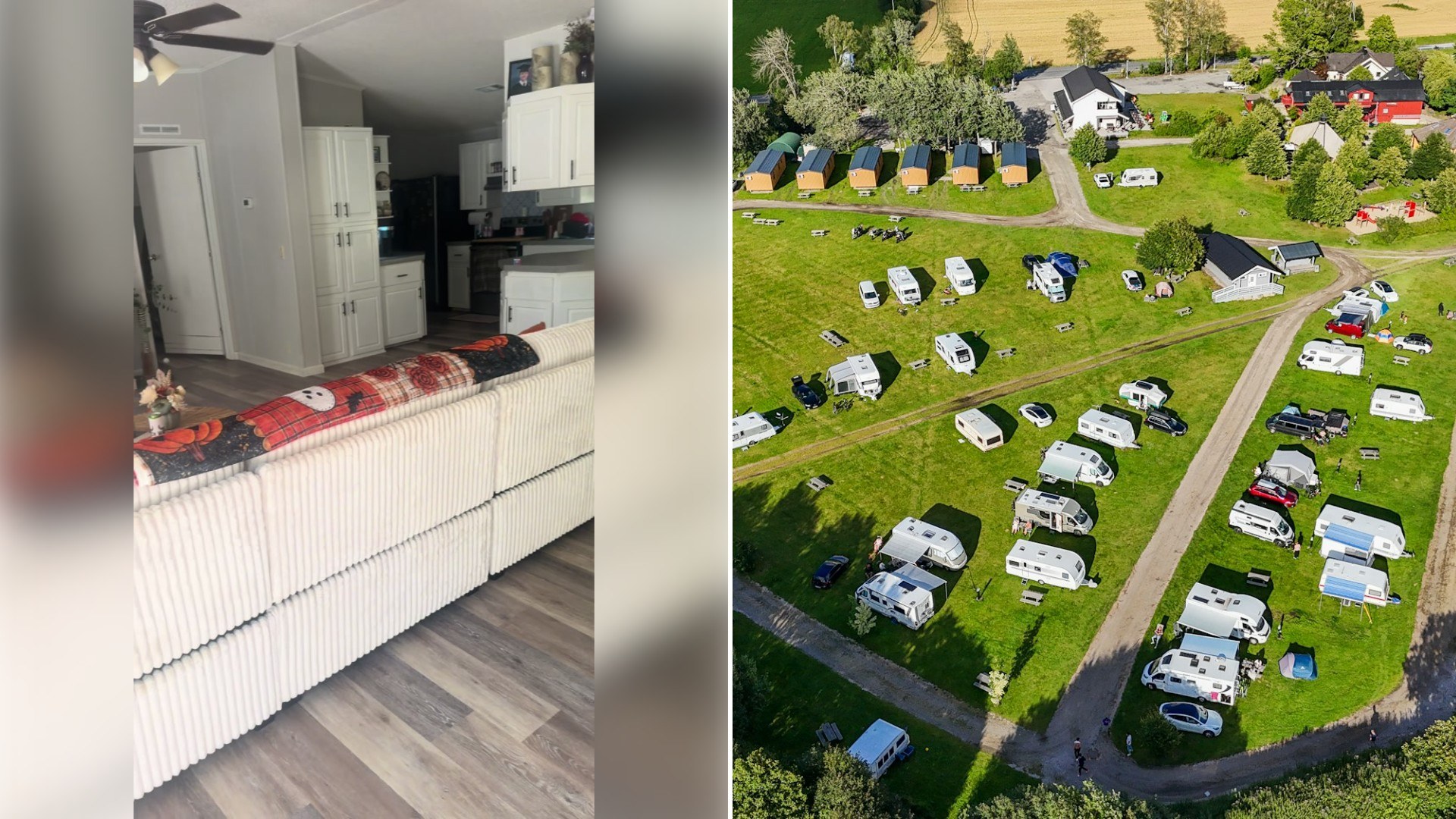
After being mocked for buying a secondhand double-wide mobile home, a creator documents the full interior renovation, cutting from the dilapidated original condition to the finished, updated home as a clapback to the initial criticism. It is the kind of clip that stops a scroll not because of a dramatic twist, but because of how ordinary its starting point is, right up until the moment everything changes on camera.
There’s a rawness to how the moment is captured, nothing about it reads as overly rehearsed, and that unpolished quality is a big part of why it plays as believable rather than performative. Viewers aren’t just being shown an outcome, they’re being walked through the process that produced it.
@hayfi_ yep sure did 😮💨 #doublewide #mobilehome ♬ original sound – rand6m11
As @hayfi_ frames it, there’s no attempt to smooth over the messier parts of the story, and that candor is a large part of why the post has resonated with people well beyond the creator’s usual audience.
Even when a video doesn’t involve a dramatic reveal or a jaw-dropping number, the format still tends to hold attention because it’s built around real decisions with real consequences, the kind of stakes that don’t require exaggeration to feel meaningful to an audience that’s either lived through something similar or is actively imagining what it would be like to.
It’s worth noting how much these videos rely on the audience’s own experience to fill in the gaps. A viewer who has never renovated a kitchen or bought a first home still recognizes the shape of the decision being made, the hesitation, the research, the leap, because those beats show up in plenty of other parts of life, not just in home ownership specifically.
The pace of this kind of content, and how quickly a viewer can move from confusion to clarity as the reveal lands, is itself part of the craft. Whoever shot and edited a clip like this one had to make dozens of small choices about what to show, what to cut, and when to reveal the payoff, and the result, when it works, feels effortless in a way that usually means a fair amount of thought went into the sequencing behind the scenes.
Ultimately, a video like this earns its reach not because it reinvents the format but because it executes a familiar structure cleanly: a clear starting point, a specific and well-documented process, and a payoff that matches the buildup. That combination, more than any single dramatic detail, is what keeps a scroll stopping and what keeps an audience coming back for the next one.
Short-form home content like this has exploded over the past few years for a simple reason: a renovation or reveal compresses months of labor, decision-making, and expense into a format that rewards patience in under a minute, without asking viewers to sit through the tedious middle of a project the way a full home-improvement show might.
There’s also a structural reason clips built around a single room, a single number, or a single surprise tend to travel further than more general home content. Algorithms on platforms like Instagram and TikTok favor the kind of clear payoff a viewer can process at a glance, and a video with one obvious before-and-after beat gives the platform exactly that kind of hook to push toward a wider audience.
The bigger takeaway for anyone in a similar situation isn’t the specific numbers or the specific address, it’s the underlying approach: doing the homework up front, being honest about the unglamorous parts of the process, and being willing to show the in-between stages rather than only the finished result.
Whatever happens next for the people at the center of this particular story, the video offers a small, relatable window into a kind of home-related moment that a lot of people recognize instantly, even if they’ve never lived through this exact version of it themselves.
Leave a Reply