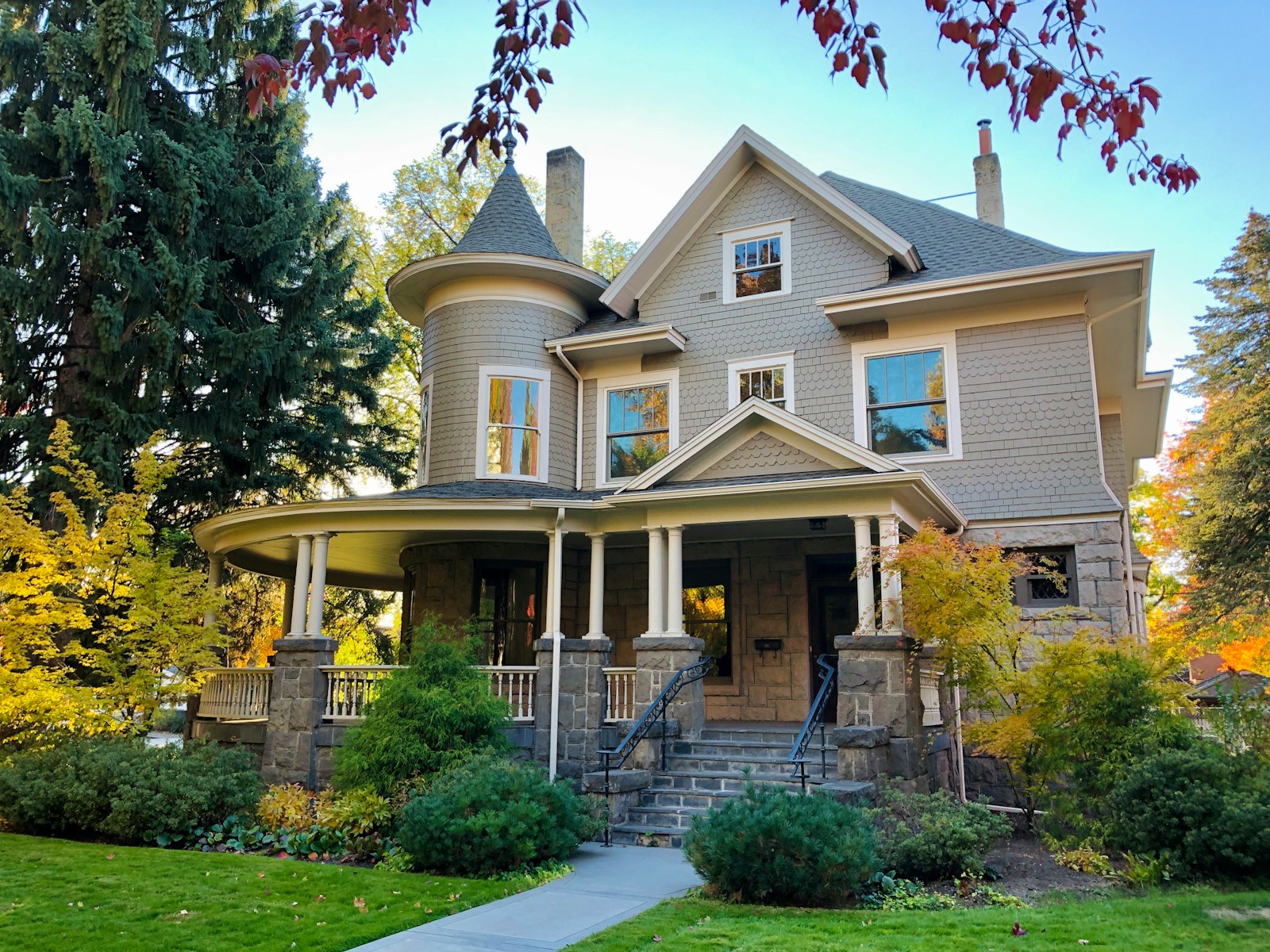
Somewhere in the walls of Eden Kim’s Victorian home, a room had been sealed off long before her family moved in. Rather than guessing alone, she opened it up on camera and asked her followers what the space might have originally been used for. She shared the discovery on TikTok as @edenkimofficial.
In her video, Kim documents the initial steps of opening the long-sealed space during her broader Victorian renovation, showing what the room looks like now without yet knowing its original function. Rather than presenting a confident theory of her own, she turns the question over to her audience, inviting speculation from people who may have encountered similar concealed spaces in other old homes.
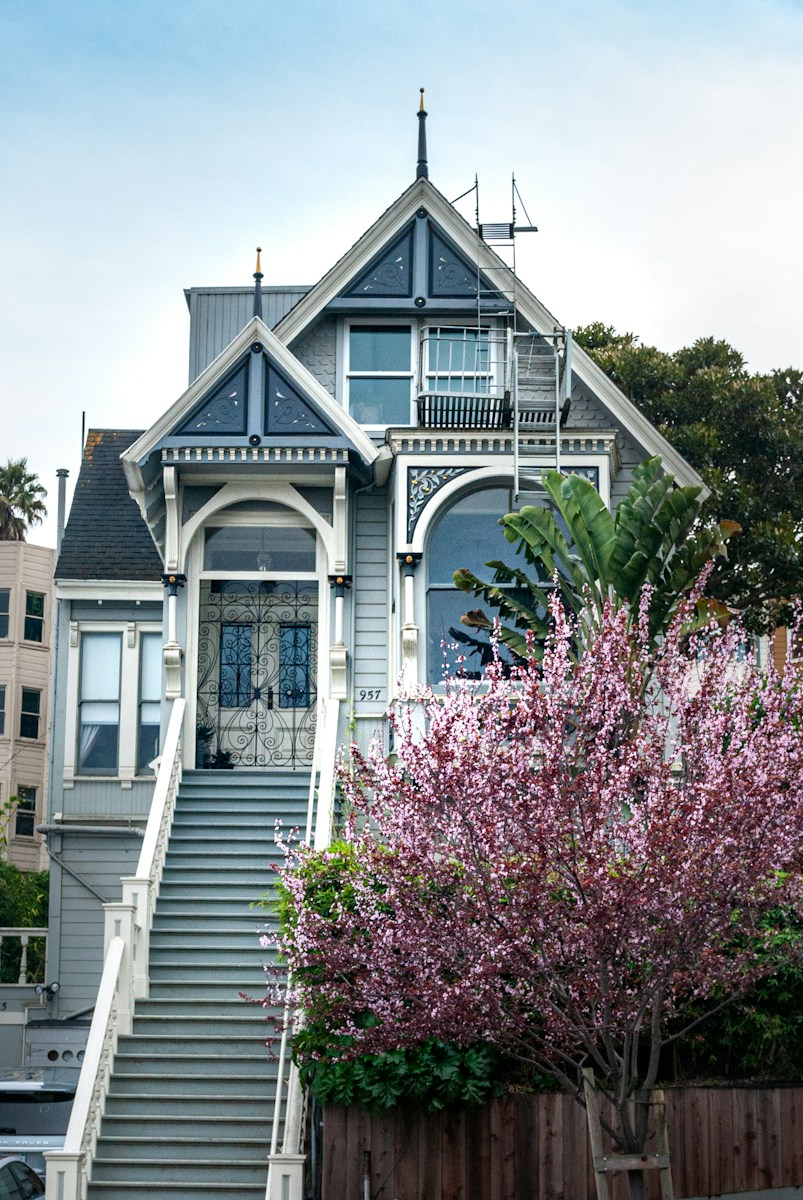
It’s important to be direct about what’s actually known here: the room’s historic use is genuinely unknown at this stage, and any theories, whether from Kim or from viewers, should be understood as speculation rather than established fact until building plans, historical records or an expert’s assessment can confirm the space’s original purpose.
That uncertainty is actually part of what makes the video compelling rather than a weakness. Victorian homes were built with a wider range of specialized room functions than most modern houses, and a sealed, forgotten space could plausibly have served any number of purposes that have simply fallen out of common knowledge over the following century.
Crowdsourced historical speculation has become a genuinely useful format in old-home renovation content, since viewers sometimes bring specialized architectural or historical knowledge that a homeowner wouldn’t otherwise have access to. Even when a definitive answer doesn’t emerge, the range of informed guesses adds real context to a discovery like this one.
Sealed-off rooms in Victorian houses tend to fall into a handful of recurring categories once records do turn up, which is part of why crowdsourcing theories isn’t just a content gimmick. Servants’ quarters, root cellars repurposed during later additions, coal chutes rendered obsolete once a home switched to gas or electric heat, and even small spaces carved out for now-vanished conveniences like an early icebox or a telephone nook were all common enough that a commenter with the right background can sometimes narrow the possibilities considerably just from a room’s dimensions and placement within the house.
The physical evidence inside a sealed space often tells its own story even before any historical record gets consulted. Soot residue suggests proximity to an old heating source, remnants of plumbing fixtures point toward an early bathroom or laundry area, and surviving wallpaper or trim details can sometimes be dated by style alone, giving a rough window for when the room was last actively used before it was closed off. Kim’s own next steps, by her account, will likely involve looking for exactly these kinds of physical clues as she continues documenting the space.
There’s also a practical safety layer to consider whenever a long-sealed space gets opened in an old house, independent of its historical interest. A room cut off from a home’s ventilation and climate control for decades can harbor mold, pest damage, or deteriorated building materials that aren’t immediately obvious from a quick look inside, which is part of why documenting the opening carefully, rather than immediately spending extended time inside the space, is a reasonable precaution regardless of how exciting the discovery feels in the moment.
The Takeaway
If you uncover a mysterious sealed space in an old home, resist the urge to settle on a confident explanation right away, and consider consulting local historical societies, old building plans or an architectural historian if you want a more definitive answer than online speculation can offer. In the meantime, treating the discovery as an open question rather than a solved mystery is both more honest and, often, more interesting to anyone following along with your renovation.
Leave a Reply