Few things sour a neighborhood faster than learning that the fence you just paid for sits a few feet onto someone else’s land. It happens more often than people think. A shed gets tucked into what looks like the back corner of the yard, a driveway gets widened, a fence goes up along what everyone assumes is the boundary, and only later does a surveyor show up and say otherwise.
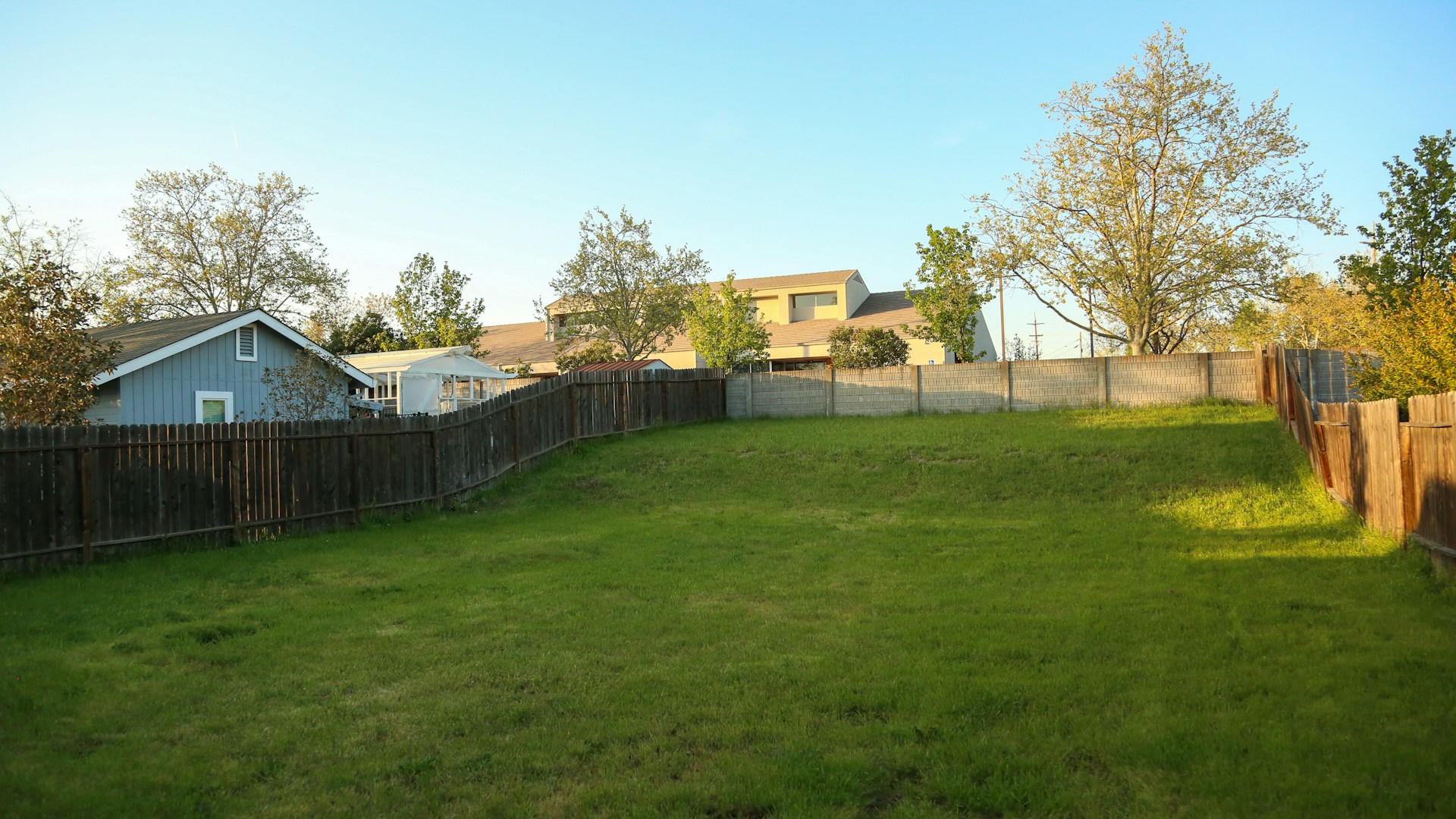
The fix is not complicated, and it is far cheaper than moving a fence or fighting a neighbor. Know where your property line is before you build, and check for easements while you are at it.
Why the line is often not where you think
Many homeowners assume the property line runs along an old fence, a row of hedges, a driveway edge or a tree line. Those features are sometimes close to the boundary, and sometimes not. Previous owners may have put a fence in the wrong place decades ago, and everyone since has simply believed it was right. Landscaping, grading and even a neighbor’s confident opinion can all send you in the wrong direction.
Walking out with a tape measure and eyeballing it from the deed or a plat map is also risky. Those drawings are not always accurate or easy to read. If you guess wrong, you could end up building on land you do not own.
Get a survey
A professional land survey is the reliable way to know where your boundaries are. A licensed surveyor will research the records, measure your lot and mark the corners and lines with stakes or flags. You can also get a written drawing showing the boundaries and any structures or features on the land.
Hire a licensed surveyor in your state, and ask what is included. Some jobs only mark the corners, while others produce a detailed map. If you already have a survey from when you bought the house, look it over, though it may be out of date if lines, structures or fences have changed since then. Your title paperwork from closing may include one.
A survey costs money, but it is a small part of the expense of building a fence, a shed or a driveway, and it is much smaller than the cost of tearing one out later. Ask a few surveyors for quotes.
Check for easements
An easement gives someone else the legal right to use part of your property for a specific purpose, even though you own the land. Utility companies often have easements for power lines, water and sewer lines, gas lines and cable. Sometimes a neighbor has a right of access across a corner of your property to reach theirs. Drainage easements may require water to flow across your land in a certain way.
Building on an easement can cause serious trouble. A utility may be allowed to remove a fence or shed that is in the way of its lines, and you may be responsible for the cost of fixing or replacing it. A survey will often show recorded easements, and your county records office can provide documents. Ask your title company or a real estate attorney if something looks unclear.
Check the local rules too
Even when a fence or shed sits fully on your own land, local regulations may limit where you can build. Many cities and counties have setback rules that require structures to stay a certain distance from the property line. There may be height limits for fences, and some neighborhoods require approval for exterior projects. If you live in a community with a homeowners association, read its rules and ask about approval before you build. Rules vary by state, city and subdivision, so check where you live. You may also need a permit.
Talk to your neighbor
If you plan to build near a shared boundary, a friendly conversation goes a long way. Let your neighbor know what you plan to do and when. If the survey shows something surprising, such as a neighbor’s fence or shrubs sitting on your side, approach the subject calmly and share the survey. Many disputes cool down when people look at the same facts together. If the situation does not resolve, a real estate attorney can explain your options under your state’s law.
Before you build, do this
- Find your deed, plat and any past survey.
- Hire a licensed surveyor to mark the lines.
- Look for recorded easements and call your utility companies if you are unsure where lines run.
- Check local setback rules, permit requirements and any HOA approval needs.
- Talk with your neighbors before work begins.
- Give your contractor the survey, and do not leave the line up to them.
Building is exciting, and it is tempting to just get started. But a fence, a shed or a driveway is meant to last for years. A little homework up front, and a survey in hand, can keep your money in the project instead of in a dispute. Know where your land begins and ends, and you will build with confidence.
More Stories You May Like
- Handyman Shuts Down His Business After Five Years and Hundreds of Jobs and Shares What He Learned
- Gardening Fix After an HOA Violation Shows How One Homeowner Solved It Without Paying a Fine
- Couple Restoring An 1888 Home Clears The Attic And Finds A Sewing Machine, A 1920s Chemical Company Ledger And A Glass Display Cabinet
Leave a Reply