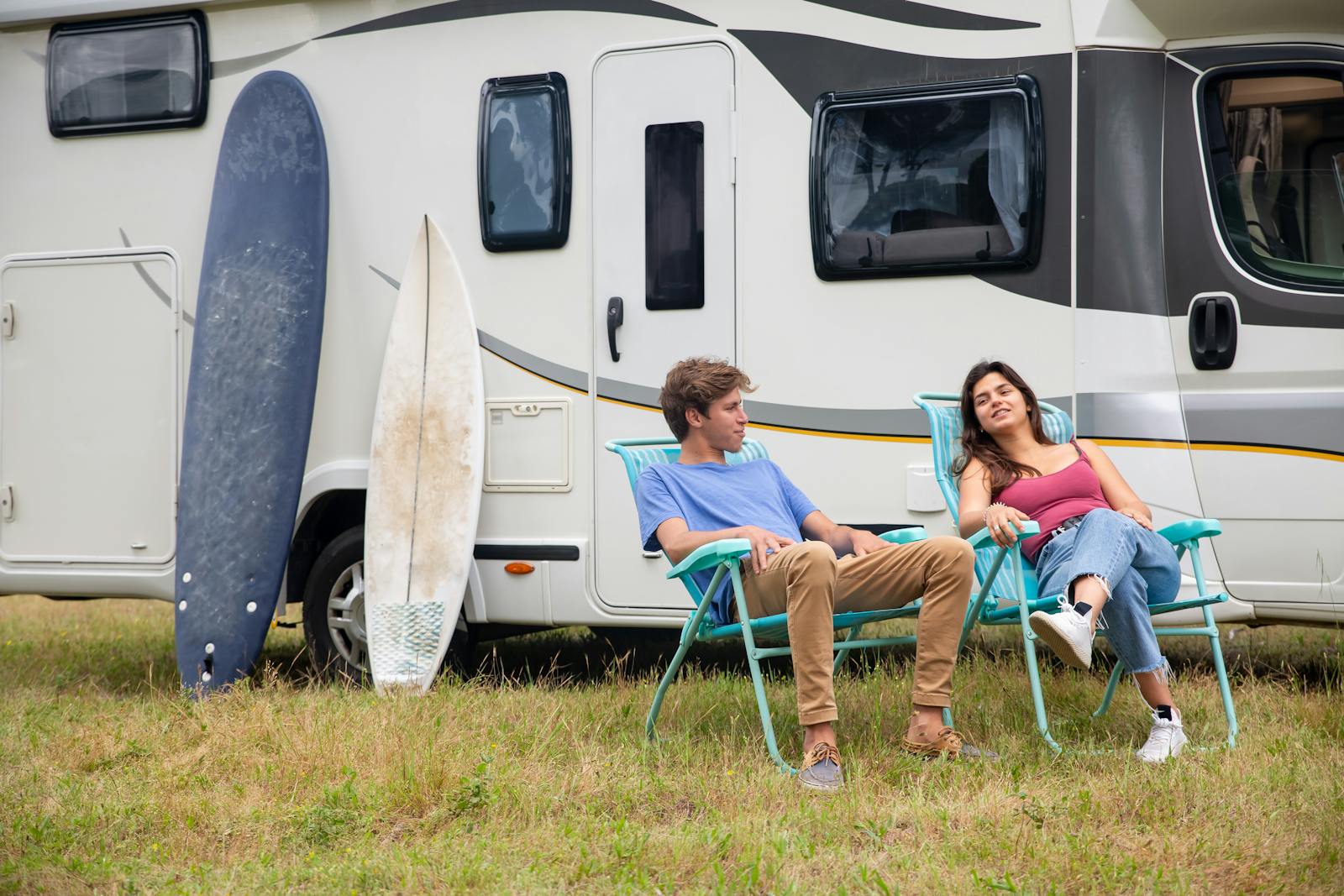
In a suburban neighborhood in Florida, a homeowner is caught in a frustrating battle with her neighbors over numerous alleged code violations, including the questionable occupancy of an RV parked in their shared yard. The homeowner initially reported these concerns to local code enforcement last October, but nearly a year later, she finds herself entangled in a bureaucratic maze as the situation remains unresolved.
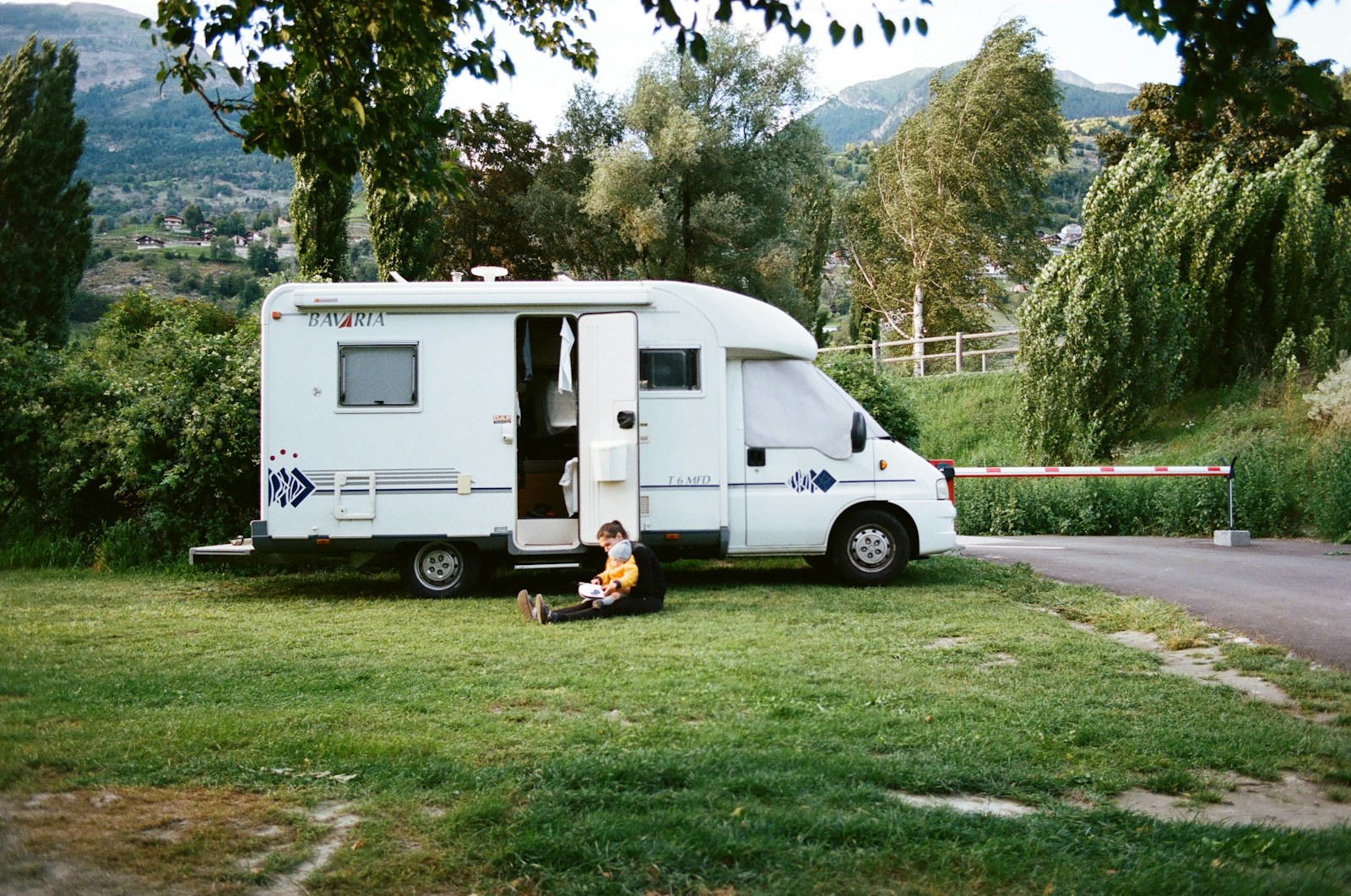
The homeowner took action after observing her neighbors utilizing an RV as a full-time dwelling. Florida’s code enforcement laws stipulate that RVs cannot be used as living quarters unless they are situated within designated RV parks. However, convincing the authorities of this transgression has proven to be an uphill battle. Despite the RV being hooked up to a septic tank, the code enforcement officer has indicated that they need concrete proof of habitation, dismissing the homeowner’s worries with little action taken.
Compounding the issue, the neighbors have reportedly been uncooperative and evasive. They have allegedly lied to authorities about the RV’s occupancy, claiming that no one is living there. This evasiveness has left the homeowner feeling powerless, as it falls on her to gather evidence to support her claims. “It’s like I’m getting paid to do your job or what?” she remarked in frustration, highlighting the exasperation many homeowners feel when their complaints are not taken seriously.
In addition to the RV situation, the homeowner has reported various nuisance issues stemming from her neighbors’ actions. She claims the neighbors have placed an assortment of items in nearby trees, raising concerns about safety, especially during hurricane season. Despite these concerns being flagged by city officials as “very concerning,” no action has been taken to rectify the situation. “Code enforcement does not care,” she reported, noting how the city officials seem to dismiss her complaints as mere inconveniences rather than legitimate hazards.
Moreover, the homeowner has experienced disturbances from her neighbors engaging in reckless driving on their street. Reports of speeding and tire-burning in front of her driveway have left her feeling increasingly anxious about the safety of her property and family. Once again, the local police have shown little willingness to intervene, stating that they need firsthand evidence to issue citations. This catch-22 has put the homeowner in a precarious position, as the issues persist while her options for recourse dwindle.
The ongoing struggle has left the homeowner feeling isolated and unsupported by local authorities. With seven failed reinspections under the code enforcement’s watch, it appears that the neighbors’ violations may not be severe enough to compel swift action from the city. “Code has just seen a lot worse than this,” she speculated, further amplifying her frustration. Time and time again, she has reported the issues, yet the situation has only worsened, without resolution in sight.
This story resonates with many homeowners who have encountered similar challenges with disruptive neighbors or ineffective local regulations. The plight of this Florida homeowner serves as a reminder of the often-complex relationship between residents and local authorities in ensuring neighborhood standards. What could be done to improve these situations? Are homeowners left with no choice but to endure these ongoing issues that affect their peace of mind?
As she continues to battle her neighbors and navigate the code enforcement system, this homeowner’s experience underscores a lingering question: how can residents effectively advocate for their rights in the face of apparent inaction? For now, she is left waiting, hoping for change while grappling with the disheartening reality of her situation.
More from Willow and Hearth:
Leave a Reply