The washing machine starts shaking like a jet engine. The refrigerator hums louder than it used to, and the ice maker quit last month. The dishwasher leaves a gritty film on the glasses no matter what detergent you try. Every homeowner and renter eventually reaches the moment when an appliance fails and a repair estimate lands in the same price range as a replacement. Knowing a few general rules of thumb before that day comes can save you real money and a lot of second guessing.
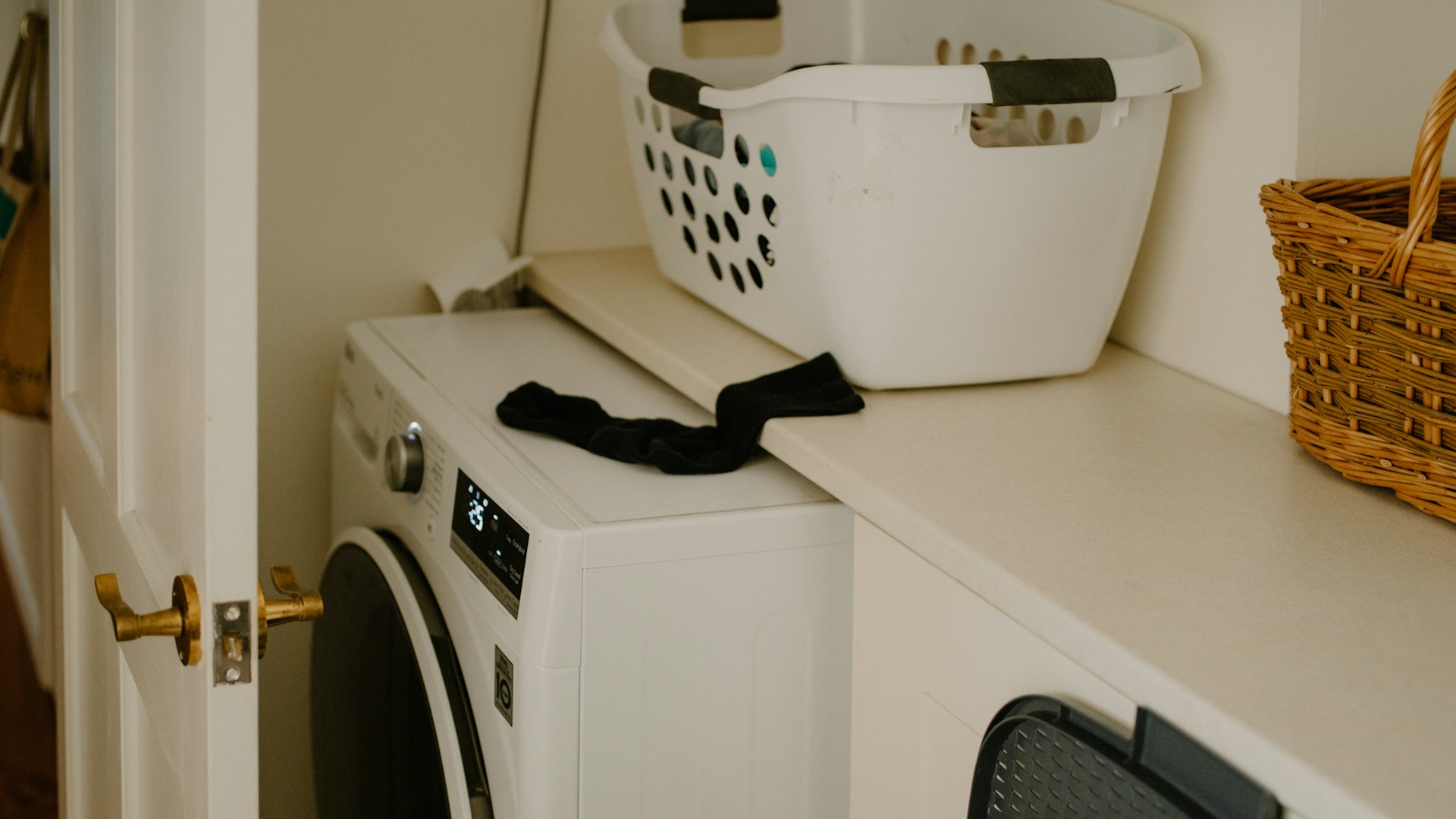
No two appliances age the same way, and the brand and model matter a great deal. Still, there are some broad patterns that help you decide whether to fix it or finally let it go.
How Long Do Major Appliances Usually Last?
Lifespan depends on the manufacturer, the model, how hard you use it, and how well you care for it. A well-made machine in a quiet two-person household can outlast a bargain model run hard by a big family. With that caveat in mind, here are the general ranges most people hear:
- Refrigerators often run somewhere around a decade or a bit more, and sturdy models with simple designs can go longer.
- Washing machines commonly give you roughly ten years, sometimes less if they are overloaded often.
- Dryers frequently last a little longer than washers, especially when the lint trap and vent are kept clean.
- Dishwashers tend to be on the shorter end of the group, often giving around ten years or a bit less.
Treat those as ballpark guesses, not promises. Your owner’s manual, the manufacturer’s website, or a reputable local repair shop can tell you what is realistic for your exact model.
The Rule Of Thumb: Weigh The Repair Against The Replacement
The simplest guide that many repair people and consumer advisers mention is to compare the repair estimate with the cost of a comparable new appliance. If the repair costs a big share of a new machine, often about half, and the appliance is already well into its expected lifespan, replacement usually makes more sense. If the machine is fairly young and the repair is small, fixing it is usually the smarter choice.
Think of it as two questions. First, how old is it? Second, how much is the fix compared with a new one? An older appliance with an expensive repair is a poor bet, because another part is likely to fail soon after the first. A younger appliance with an inexpensive fix is usually worth saving.
Other Things To Consider Before You Pay
Age and price are not the whole story. A few more questions can tip the decision one way or the other.
- Is the part available? Older models can be hard to repair simply because parts are scarce or discontinued.
- Is this the first problem or the third? A machine that keeps breaking is telling you something. Repeated repairs add up fast.
- Is it still under warranty? Check your paperwork and any extended coverage before you pay a dime out of pocket.
- Is it wasting energy? Newer models are often more efficient than ones from many years ago, which can chip away at utility bills over time.
- Is it a safety issue? If you smell burning, see scorching, or notice sparks or water leaking near wiring, stop using it and call a qualified professional.
Simple Checks Before You Call A Repair Person
Before you spend money on a service call, run through the easy stuff. Make sure the appliance is plugged in and the breaker has not tripped. Clean the dryer’s lint trap and check the vent hose for clogs, since a blocked vent is a common cause of poor drying and can be a fire hazard. For a dishwasher, clear the filter and spray arms. For a refrigerator, vacuum the dusty coils and make sure the door seals close tight. These small fixes cost almost nothing and sometimes solve the whole problem.
Getting A Fair Estimate
When you do need a professional, get the model and serial number ready, describe the symptoms clearly, and ask what the service call fee is up front and whether it applies toward the repair if you go ahead. If the quote is large, a second opinion is reasonable. Ask for the price in writing, and ask the technician plainly whether they would repair or replace it if it were their own machine. A good one will give you an honest answer.
The bottom line is that there is no single magic number. Check the age, compare the repair with the price of a new one, think about parts and safety, and go in with a plan. That way, when the next appliance gives out, you can make the call calmly instead of paying for one more fix you did not need.
More Stories You May Like
- Single Mom Shows Her Two Bedroom Income Based Apartment Where She Has Paid Anywhere From Zero To Five Hundred Eighty Dollars A Month Depending On Her Paycheck
- New Zealand Property Manager Tells Landlords They Cannot Use Their Spare Key or Text at 7 AM Because They Own the House Not the Tenant
- Landlord Finally Gets His House Back After 13 Months of No Rent and Four Years of Late Payments and Walks Through the Mess Left Behind
Leave a Reply