For one small landlord, the day he finally got his keys back was not a celebration. It was a cleanup. In a frustrated walk-through video, @raymondbacchus1127 showed the condition of his rental house after a tenant who, he says, paid late for four years and then paid nothing at all for 13 months was finally evicted. “I finally get my house back after 13 months of no rent,” he says, “and I want you to see the condition.”
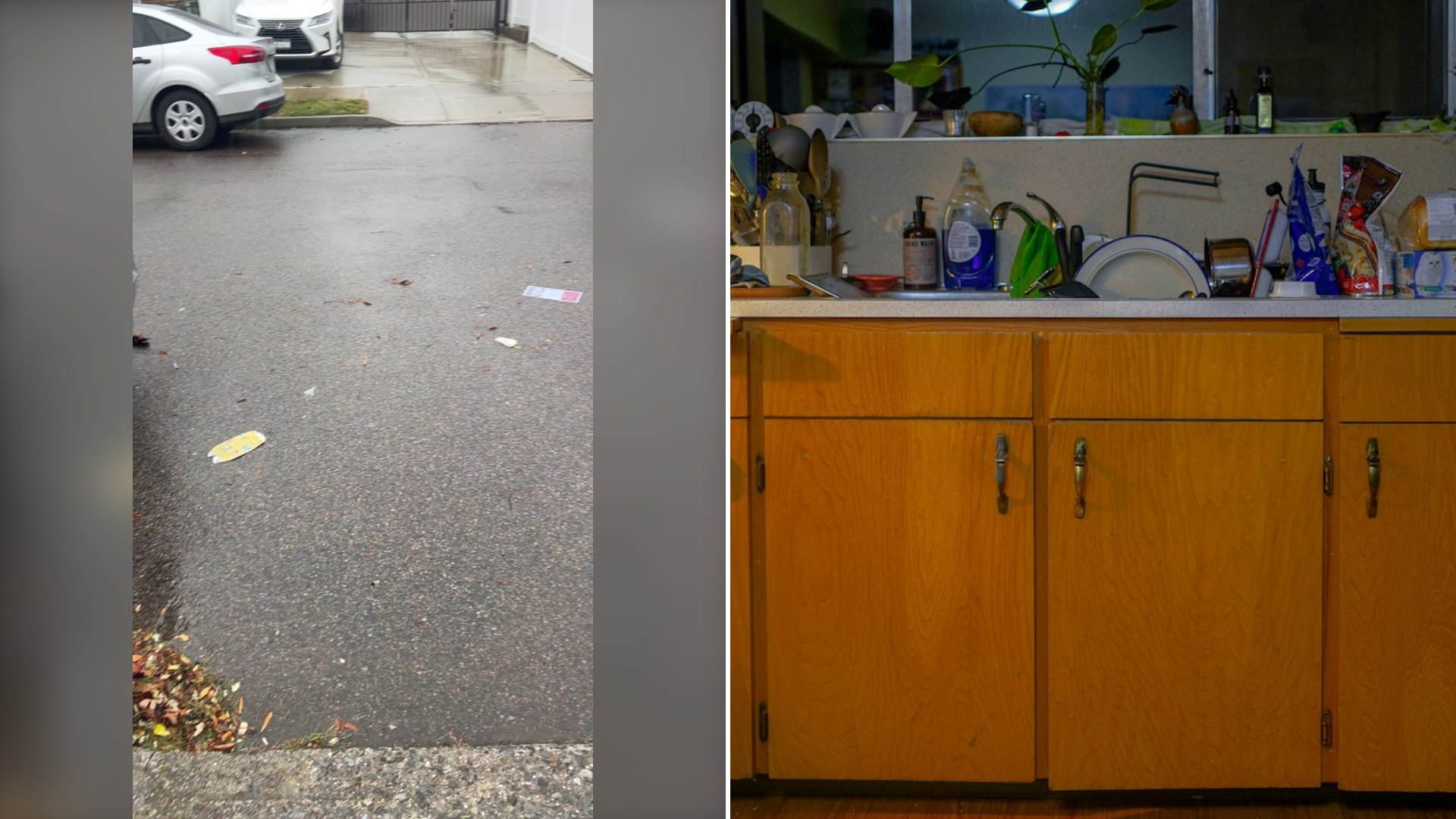
What he found was garbage left behind, a filthy kitchen and floors so dirty that, as he describes it, white tile had turned a beach color. He is visibly angry in the video, and much of what he says is not printable. But the timeline he lays out is clear.
Four Years of Late Rent, Then None at All
According to the landlord, the problems did not start with the 13 months of missed rent. He says the tenant was “always late” for the past four years, and that he has proof, with every payment dated and time-stamped. “So never on time, always late, begging for mercy,” he says.
He describes a familiar cycle for small landlords: working out payment plans to help a tenant catch up, month after month. “And this is the result,” he says.
Eventually, he took the tenant to court for nonpayment of rent and won. He says her deadline to leave was the night before he filmed.
His caption adds more detail. He writes that after he served a 90-day notice, there were 13 violations. He says there were rats and roaches, and he blames the condition of the kitchen. He also writes that the tenant ran catering out of the home over the years and sold food on the front lawn. “The list goes on and on,” he adds.
He opens his caption with a note of sympathy for whoever rents to her next: “my prayers are with the new landlord.” And he does not hide his disbelief. “These people are shameless,” he writes. “I don’t know how they sleep at night.”
@raymondbacchus1127
In the video, he says he is sharing this to try to help people, a warning to other landlords about where patience and repeated payment plans can lead.
Lessons for Small Landlords
Many people who rent out a single house or a duplex are not large companies. They are retirees, families who kept a former home, or people counting on rental income to pay their own bills. For them, a year without rent can be devastating. These steps can help reduce the risk.
Screen every applicant carefully. Verify income, call previous landlords rather than only current ones, and run credit and eviction history checks with the applicant’s written permission. Apply the same standards to everyone to stay within fair housing laws.
Put everything in a written lease. Spell out the rent amount, due date, late fees allowed by your state, and rules on running a business from the home, extra occupants and pests.
Document every payment. As this landlord did, keep dated records of every payment and every late one. Use payment methods that create a record. Courts rely on paperwork.
Be careful with repeated payment plans. Helping a tenant through a hard month can be kind and practical. But when plans become a pattern, put each one in writing, with dates and amounts, and know at what point you will begin the legal process.
Inspect the property regularly. Most states allow landlords to enter with proper notice for inspections and repairs. Periodic visits can catch pest problems, damage and lease violations before they grow.
Keep a cash reserve and the right insurance. Set aside several months of mortgage payments, taxes and insurance for the property, so one bad tenant does not threaten your own finances. Ask your insurance agent about a landlord policy and whether loss-of-rent coverage is available, and read exactly what it does and does not cover.
Follow the eviction process exactly. Notice periods and procedures vary widely by state and city. Never change the locks, remove belongings or shut off utilities to force a tenant out. Those self-help tactics are illegal in most places and can lead to lawsuits. A local landlord-tenant attorney can be worth the fee.
After the Tenant Leaves
Once the property is back in your hands, a few steps can protect you.
Photograph and film everything right away. Detailed photos and video of every room create evidence of the damage and condition.
Handle the security deposit by the book. Most states require landlords to return the deposit or send an itemized list of deductions within a set number of days. Missing the deadline can cost you the right to keep any of it.
Pursue what you are owed. A court judgment for unpaid rent and damages can sometimes be collected through wage garnishment or bank levies, depending on state law. Collection is not always easy, but a judgment can last for years.
Call in professionals. Pest control, deep cleaning and trash removal should come before any repairs or new tenant.
For this landlord, the keys are back in his hand after more than a year without rent. What waits for him now is the cleanup, and the footage of what was left behind shows how big a job that is.
More From Willow and Hearth
- Handyman Shuts Down His Business After Five Years and Hundreds of Jobs and Shares What He Learned
- Former Landlord Says In Some Places Your Security Deposit Is Supposed To Earn Interest, And Tenants Who Never Asked Have Been Leaving Money Behind
- She Sued Her Landlord And Won, And Now She Is Choosing Peace Over A Fight About What She Says Is $550 Too Much Taken From Her Deposit
Leave a Reply