Walk into almost any house on a winter service call and the thermostat reads 68, with the family on the couch in sweaters. That is how it went for years for former furnace technician Ray Dutton of @RayDuttonsGarage, who says the number everybody has been told to use for 50 years was never about comfort.
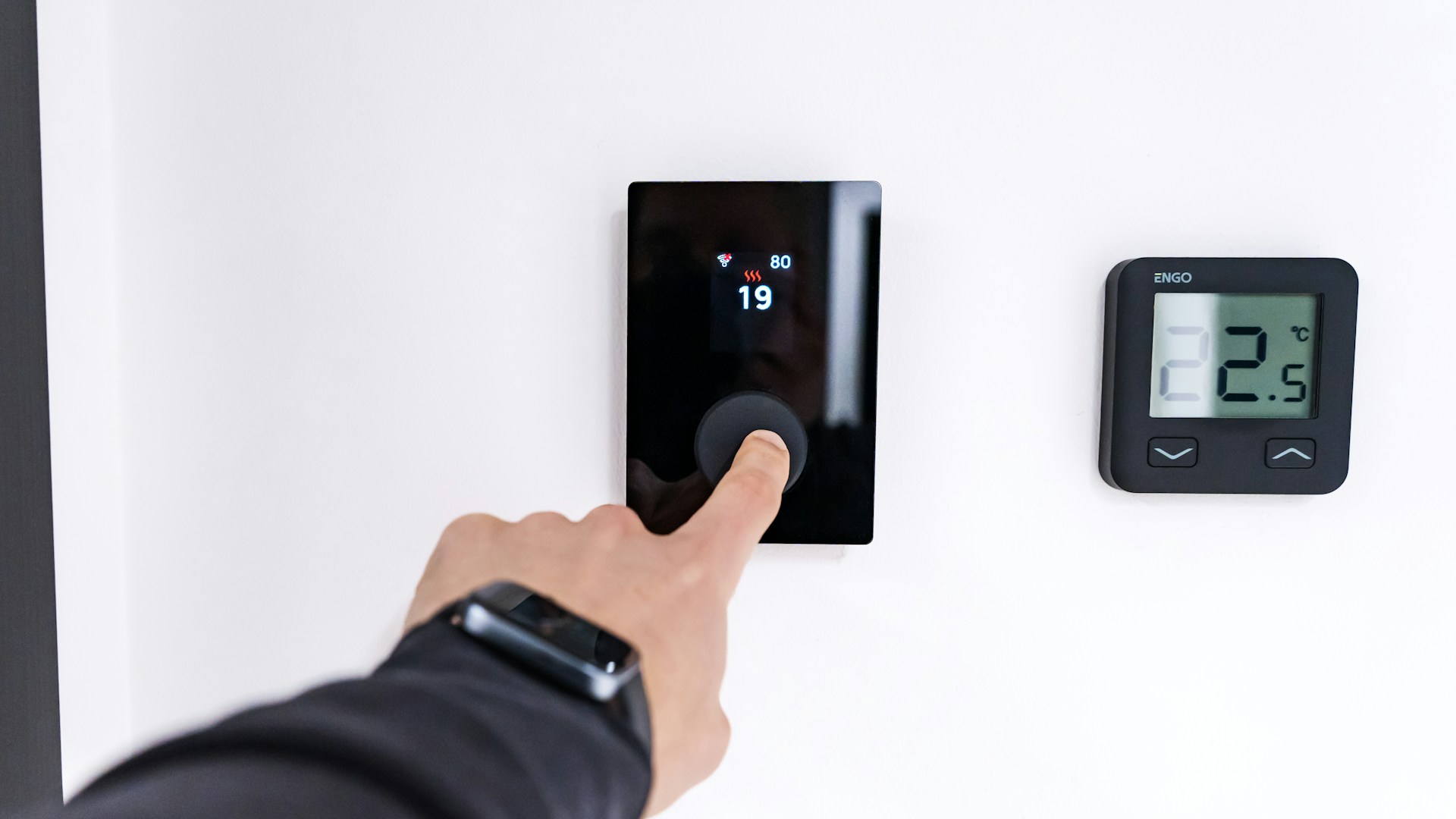
“It was picked during a fuel shortage to save oil, not to keep anybody comfortable,” he says. In his experience, three little settings cause most of the winter fights in a house, and one tiny switch caused more cold-air calls than any broken part he ever replaced.
Every Degree On The Dial Is Worth Roughly $30 A Season
Since 68 was chosen to save fuel, Dutton says nobody ever worked it out for your house or for how you feel sitting still on a winter evening. Treat it as a starting point and nothing more.
What the number does get right is that every degree costs money. Keep the house one degree cooler all winter, day and night, and he says your heating bill drops around 3%. A typical home spends about $1,000 to heat through a winter, so each degree is worth roughly $30 a season.
That is real money, but he says it is not worth shivering for. If 70 keeps you comfortable and 68 has you reaching for a blanket, those two degrees cost about $60 over the whole winter, and he calls that money well spent.
The One Degree At A Time Test For Finding Your Number
Dutton’s method is simple. Set the thermostat where you are comfortable sitting still in normal indoor clothes and leave it there a full week, because your body takes a few days to get used to a new temperature.
Then drop it one degree and live with that for another week. If you do not notice the difference, keep it, and you have just saved about $30 this winter. If you are cold, go back up one. Wherever you land is your number.
Older Folks Should Never Let The House Fall Below 68
There is one home where Dutton says he would never let the number go below 68, and that is a home where an older person lives. On his calls he would find older couples who had turned the heat down to 62 to save on the bill. They told him they were fine, and their hands were cold.
As we get older, he explains, the body makes less heat and is slower to notice the cold, so a house in the low 60s can make an older person sick before they ever feel chilly. The $30 a degree they were saving was not worth that. His rule is that 68 is the floor for every room you use, day and night, if you are older or someone in your house is.
Turning It Down At Night Does Not Make The Furnace Work Twice As Hard
This is the question Dutton heard argued about more than any other. Many people believe that if you let the house cool off, the furnace has to work twice as hard in the morning, so whatever you saved overnight you spend again at breakfast. He has heard it from homeowners, in-laws and even people in his own trade. “It sounds right, and it isn’t,” he says.
His explanation is a bucket with a hole in the bottom. The fuller the bucket, the harder the water pushes out, and a house held at 70 all night is a full bucket leaking at full pressure. Your home is always losing heat through the walls, the roof and every gap around the doors, and the bigger the difference between inside and outside, the faster it leaks.
Take a 20 degree night outside. Holding 70, the gap is 50 degrees. Holding 62, the gap is 42, so less heat leaks out every hour all night long, and that is heat the furnace never has to replace. In the morning the furnace does bring the house back up, but Dutton says most furnaces burn at one steady rate, so it simply runs longer. The fuel needed to warm the house back up is about equal to what the house lost while cooling down, and the hours of slower leaking are the saving you keep.
His setting is to turn it down 7 to 10 degrees when everyone is asleep or the house is empty for eight hours or more. Done every day, that saves up to about 10% a year on heating, or around $100 on a $1,000 winter, for pressing a button twice a day. He suggests starting the warm-up about an hour before you get up, and many newer thermostats can learn how long your furnace takes and start on their own. With an older dial thermostat, turn it down at bedtime, turn it up when you wake and keep a robe by the bed for the first half hour.
Heat Pump Owners Get A Different Rule Because Of The Backup Coils
A heat pump has a backup heater built in, a set of electric coils that kick on when you ask for a big jump in temperature. Dutton says those coils cost two to three times as much to run as the heat pump itself, so a 10 degree drop overnight can cost more in the morning than it saved.
For a heat pump he recommends a setback of just 2 or 3 degrees, or a thermostat with a setting that starts the warm-up early and slowly so the backup coils stay off. And if someone in the house is older, skip the night setback and keep the rooms at 68 or warmer.
The Little Fan Switch That Made Homes Feel Drafty And Cost $50 A Month
The last question is the small switch on almost every thermostat marked fan, with two choices, on and auto. Dutton says it cost people twice on his calls. On auto, the fan runs only while the furnace is heating. On, the fan never stops, running all day and all night whether the furnace is heating or not.
Between heating cycles the fan keeps pulling air from the house through the cold furnace and pushing it back out the vents. That air comes out at about room temperature or cooler, because the ducts run through basements, crawl spaces and attics. So you get a steady breeze of 65 degree air across a room you are trying to keep at 68, and moving air feels colder than still air.
“The furnace is blowing cold air. Something must be broken,” was the call he would get. He would walk in, see the switch on “on,” slide it to auto, and that was the whole repair.
The second cost shows up on the electric bill. Dutton says the fan in an older furnace is a big motor at one fixed speed, and leaving it running around the clock can add $50 a month or more, which is $250 or more over a five month heating season. Newer furnaces often have a fan motor that can slow down, and running it all day on one of those costs closer to $15 or $20 a month. The fan also pushes air through your filter every minute it runs, so a filter that would last three months on auto can be packed full in half that time, and a packed filter can make the furnace run hot until its safety switch shuts the burners off.
He is fair to the other side. A running fan can even out one room that always runs a few degrees colder, more air through the filter catches more dust for people with allergies, and many newer motors have a slow, quiet, cheap setting meant for exactly that. Some thermostats also have a “circulate” choice that runs the fan a set number of minutes each hour. If you have that and like how the house feels, he says keep it.
Check The Switch Before You Pay $75 To $200 For A Service Call
Dutton points out that a daytime service call runs $75 to $200 just to walk in the door, and a drafty, uneven house is the kind of complaint that can end with a quote for new duct work or a zoning system costing a few thousand dollars. The company earns its money on the visit and on what gets sold during it, so he says the free fix has to be yours.
His advice is to walk to the thermostat tonight, spend 10 minutes starting the one degree test, set your night number and warm-up time, and slide the fan to auto. Three settings, and they are in place for the whole winter.
More Stories You May Like
- Investor Who Analyzed 1,300 Flips Says 92% Turn A Profit, But The Other 8% Lose £10,000 To £30,000 Plus And Never Flip Again
- Shop Owner Kicks The Landlord Off His Wi-Fi, Then Says The Landlord Shows Up Threatening To Tow His Company Vehicle, Evict Him And Break His Head
- 7 Simple Habits That Keep Your Pipes From Freezing
Leave a Reply