A raised garden bed can cost hundreds of dollars once you add lumber, hardware and a truckload of soil. One gardener says you can skip nearly all of that with a $7 storage tote and a pile of yard scraps.
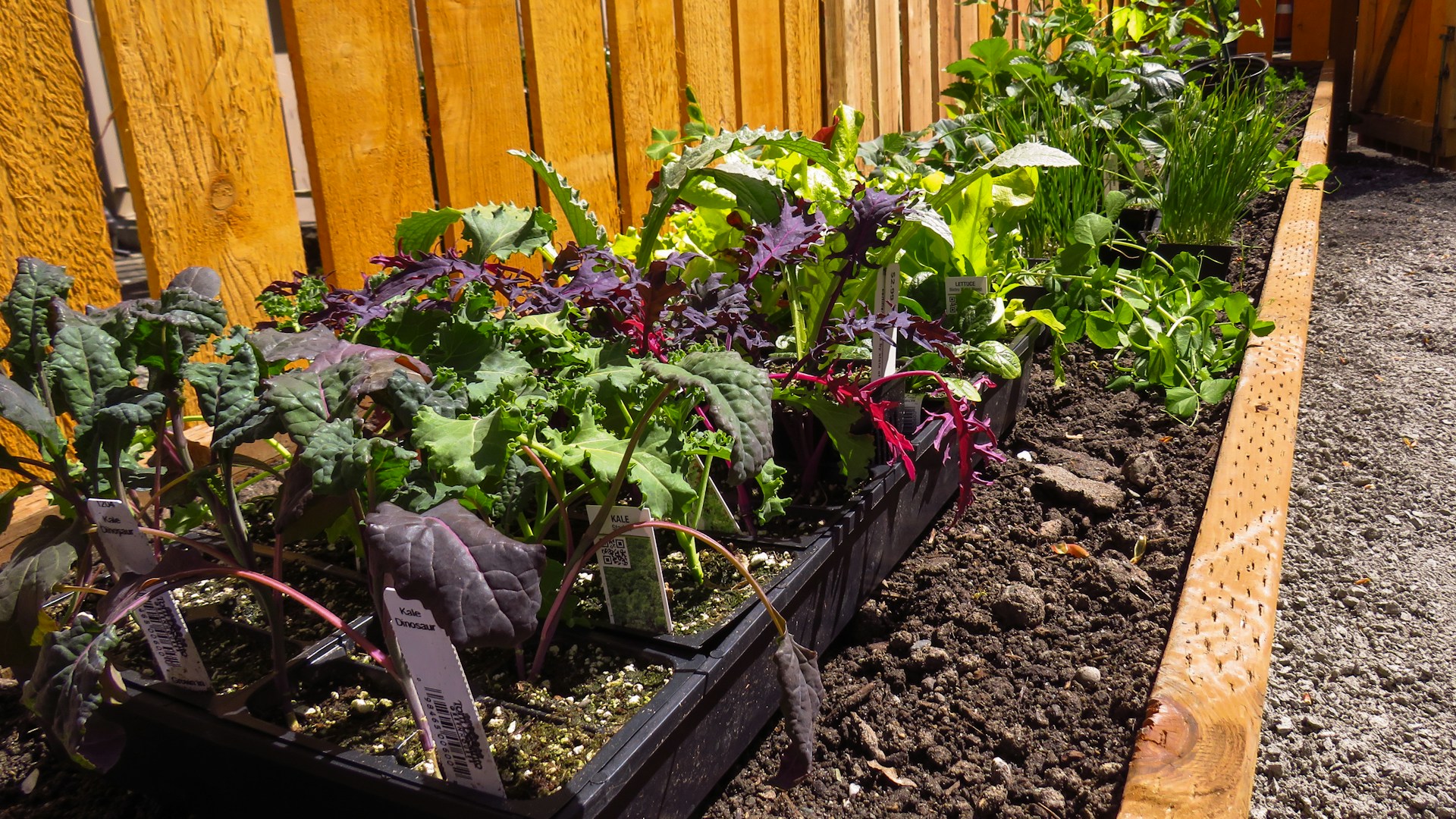
@SurvivalHT claims the humble tote can become a self-watering raised bed, and she shows the setup she says could feed plants for years.
A $7 Tote From The Big Box Store
The starting point is a plain storage tote, the kind sold at big box stores. She puts the price at about seven bucks, which is far less than a kit or a cedar frame.
The idea is to turn the tote into a bed that grows food without a lot of ongoing expense. It is made for people who want to start gardening on a budget and don’t have much room or money.
The cheap price is the hook, but the interesting part is what goes inside.
Filling It With Yard Scraps Instead Of Store-Bought Soil
Instead of buying bags of potting mix to fill the tote, she uses material from the yard. That is the budget trick that makes the project work, since soil is usually the most expensive part of a raised bed.
Layering yard material is an old gardening idea. Woody pieces, leaves and grass clippings break down over time and turn into a rich, spongy growing medium. As they decompose, they feed the plants growing above them.
That is the basis for her claim that the bed is self-fertilizing. In her telling, the material in the tote keeps feeding the plants as it rots.
The Self-Watering Claim
She also says the bed waters itself. Organic matter acts like a sponge, soaking up water and releasing it slowly to roots, which means the bed can go longer between waterings than bare soil.
A solid-sided tote helps too, because it holds moisture in rather than letting it drain away through the sides as it would in a wooden frame.
She says the setup could feed plants for years, and she is clear it isn’t a forever project. The totes will break down over time, because plastic exposed to sun and weather becomes brittle.
How Long Do Crops Really Take?
Patience is part of gardening, and she is honest about it. Garlic, one of the crops she mentions, takes about 10 months to grow. That is a long wait compared to a quick salad crop, but it asks for very little attention once it is planted.
If you want faster results, other crops mature in a matter of weeks. Radishes and leaf lettuce are popular for beginners because they are ready much sooner, and herbs can be picked a little at a time.
Why Yard Scraps Make Good Garden Filler
Gardeners have long used what they have on hand to build soil. Fallen leaves, small branches, grass clippings and kitchen scraps all turn into humus given time and moisture, and that is why filling a container with yard material costs almost nothing.
The mix also changes as it ages. In the first season, the material is loose and airy, and it may settle a few inches as it breaks down. Topping the tote off with compost or leaves each season keeps it full and feeds the plants again.
Beginners sometimes worry that scraps will smell or draw pests. A bed that is layered with a finished soil or compost cap and kept reasonably moist generally stays tidy, and burying kitchen waste deeper helps.
If you have neighbors who rake leaves in the fall, ask for a few bags. Free leaves are some of the best material you can use, and they are often thrown away.
How To Try A Tote Garden Yourself
If the idea appeals to you, a few practical steps from general gardening advice will give you a better chance of success.
- Pick the right container. Choose a sturdy tote, and check whether it is made from plastic safe for growing food.
- Add drainage. Drill holes near the bottom so roots don’t sit in standing water, and consider a few holes slightly above the base to hold a small reserve.
- Layer smartly. Put coarse material at the bottom and finer material near the top, finishing with compost or soil where seeds will go.
- Choose a sunny spot. Most vegetables want six to eight hours of direct light.
- Water in at the start. Moisten the layers well when you build the bed, then check moisture with a finger.
Know The Limits Before You Start
No gardening shortcut is perfect. A dark tote in full summer sun can heat up and cook roots, so shade or a lighter color helps in hot climates. Plastic also gets brittle with ultraviolet light, so expect to replace a tote after a few seasons.
Fresh wood and some yard waste can pull nitrogen from the soil as it decomposes, which can slow plants early on. Mixing in finished compost or a little nitrogen-rich material, like grass clippings, helps balance it.
Avoid using anything from the yard that was treated with weed killer or herbicide, since it can harm your crops.
A Cheap Way To Begin
The big lesson from @SurvivalHT is that you don’t need a lot of money to start growing food. A seven-dollar tote, a little effort and some yard material can get a beginner started, and the tote can be replaced as it wears out.
Start small, try one or two crops you enjoy eating, and see how the bed performs. If it works for you, you can add more totes next season.
More Stories You May Like
- Manufactured Home Resident Who Says She Never Paid Rent Late Sees A Mystery Fee Start At $50 And Grow To $350, Gets Court Papers, Then A Judge Dismisses The Case When Management Never Shows, But The Balance Stays On Her Ledger
- Investor Tours A Detroit Fourplex Left Vacant For About 16 Years And Finds It Buried In Trash, Then Still Thinks Each Unit Could Rent For $1,000 To $1,100
- Lawn Pro Says Throwing Grass Seed Down In Mid November Is A Trick That Works, But Get The Timing Wrong And You Waste All The Seed
Leave a Reply