Ask a room full of homeowners whether renting is throwing money away, and you will get an earful. Ask @jasperjasper.az and you will get a different answer, delivered with a grin. He says he would rather pay $2,400 in rent than $2,400 in mortgage, and he has a homeowner buddy who has been busting his chops about it.
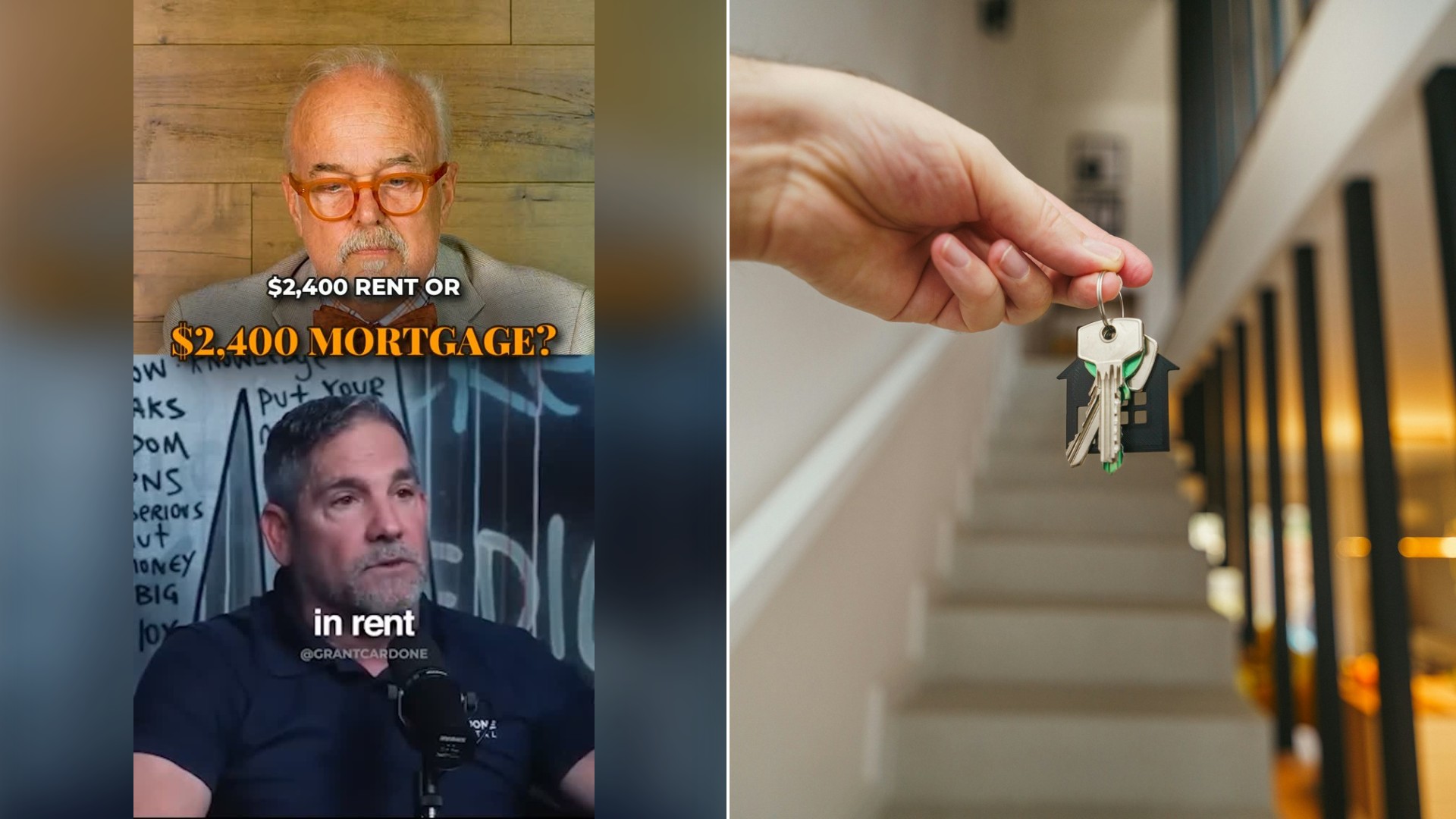
The way he tells it, the buddy likes to say that his own mortgage is $3,500 while the creator’s rent is $4,700, as if that settles things. The creator is not buying it. According to his post, that comparison skips a long list of costs that show up after the lender gets paid, and he walks through each one.
His first point is about time. He says he can get out of a rent agreement every 10 months, while a mortgage runs 30 years. For anyone who might change jobs, move closer to family or simply change their mind about a neighborhood, that difference in commitment is a real part of the math.
View this post on Instagram
The Costs His Buddy Is Missing
Here is what the creator says his friend is not counting: HOA fees, property taxes, what he calls out of control insurance, and maintenance. He puts numbers on two of them. Maintenance, he says, runs about 1% of the home’s value a year, and property taxes about 2% a year, so that is roughly 3 points every single year on top of the loan payment.
Those percentages are his spoken figures, and they will not match every house in every town. But the idea behind them is sound. A mortgage payment is only one line in the cost of owning a home. Roofs wear out, water heaters fail, air conditioners quit in July, and the bill lands on the owner rather than a landlord.
Then there is the interest rate. The creator says his buddy’s rate is either 3%, 4%, 5% or 7%, and his verdict is blunt: pick a number, they all stink. In the caption he adds a wink of his own, wondering what happened to 6%, since that number never made the list.
Where The Other Side Pushes Back
In his caption the creator is fair enough to give the opposing view some room. He notes that rent does not carry property taxes or an HOA, which is true. He also points out that rent builds no equity, and that you cannot simply walk away from a mortgage every ten months the way you can from a lease.
That is the heart of the argument, and it is why the post ends with a question to readers: comment RENT or BUY and say why. It is a debate with no single winner, because the answer depends on how long you plan to stay, how much cash you have on hand and how steady your income is.
Buyers have a strong case too. Each mortgage payment pays down some of the loan, so over the years the owner ends up holding an asset. A fixed-rate mortgage also locks in the core payment for decades, while rent can go up at every renewal. Many families who bought long ago find their housing payment is now far lower than anything on the rental market.
How To Run Your Own Numbers
If you are weighing the two options yourself, skip the shortcut of comparing one monthly payment to another. A fairer comparison takes a little paper and a calculator, and it is worth an evening at the kitchen table.
- Start with the full monthly cost of owning: loan payment, property taxes, homeowners insurance and any HOA dues.
- Add a maintenance cushion. Many homeowners set aside a percentage of the home’s value each year, and the creator’s figure of 1% is a common starting point for the conversation.
- Count the one-time costs, including the down payment, closing costs and the expense of selling later.
- Compare that total with your rent plus renters insurance, and be honest about how much rent could rise over the years you plan to stay.
- Ask what you would do with the cash you did not spend on a down payment. If it sits idle, renting looks worse. If it grows in savings or investments, renting looks better.
The Question Of Time
The single biggest swing factor is how long you will stay. Buying a home comes with costs at the front and back end, so a short stay rarely pays off for the owner. A longer stay gives the equity time to build and spreads those costs over more years. If you expect to move in a few years, the flexibility the creator talks about has real value. If you plan to stay put for decades, ownership starts to look better.
Insurance deserves its own look as well. The creator calls it out of control, and homeowners in many parts of the country have watched their premiums climb. Before you fall in love with a house, ask for the actual insurance quote and the tax bill, not the estimate in the listing.
The Bottom Line
Nobody has to pick a side in this argument to learn something from it. The creator’s point is that a payment is not the same as a cost, and that the friend who brags about a lower monthly number may be missing thousands of dollars a year. His critics have a point as well: rent buys you nothing at the end, and a house can.
So the next time a neighbor or a brother-in-law tells you what he pays for his house, ask the follow-up questions. What are the taxes? What is the insurance? Is there an HOA? What did the roof cost last year? Those answers, more than the mortgage figure, tell you what a home really costs to own.
More Stories You May Like
- 34% Of Households Headed By Someone 65 Or Older Are Housing Cost Burdened And Owners Still Paying A Mortgage Are Hit Far Harder Than Those Who Own Free And Clear
- Virginia Landlords Must Now Give Renters 14 Days Instead Of 5 On A Pay Or Quit Notice And Must Accept Checks And Money Orders For Rent
- Closing Costs Hit Buyers With Title Fees Escrow Prepaids And HOA Transfer Charges Many Never Budgeted For So Read The Loan Estimate Early
Leave a Reply