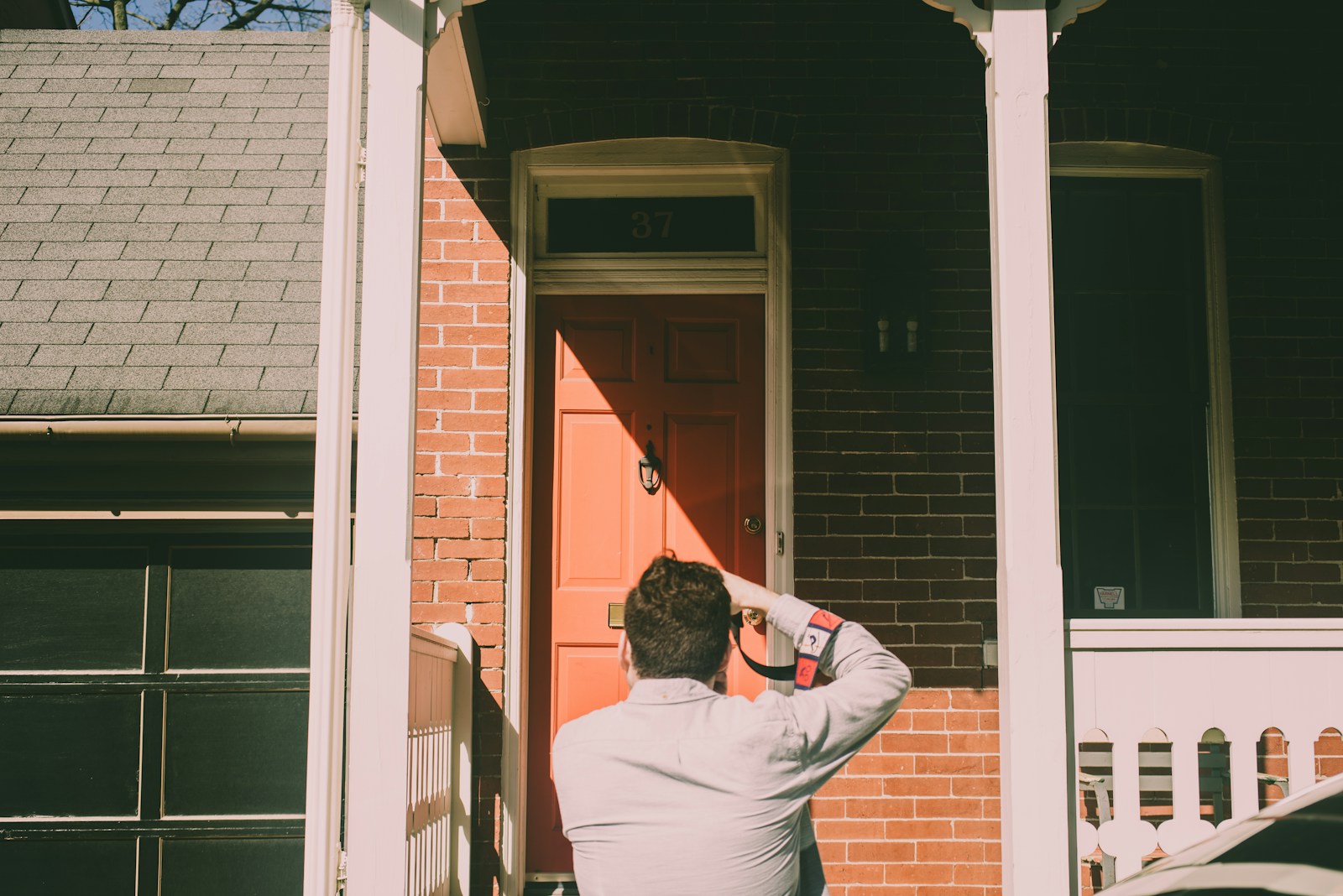
Waiving a home inspection was once considered financial recklessness. During the height of pandemic-era bidding wars, it became a routine negotiating tactic, and it has not fully gone away even as the market has cooled in most parts of the country. Buyers are still giving up the one contingency designed to protect them from a bad purchase, and inspectors say foundation problems remain the single most common discovery buyers wish they had caught before closing.
A Practice Born From Desperation That Outlived It
The logic behind waiving an inspection is simple: in a competitive multiple-offer situation, a contingency-free offer looks stronger to a seller than one loaded with conditions, and buyers who strip out the inspection clause improve their odds of winning. The National Association of Realtors’ own trade magazine has documented how agents increasingly find themselves recommending the move to clients specifically because it works — even while acknowledging the risk it transfers entirely onto the buyer.

What Buyers Actually Find Out Later
Home inspectors and real estate columnists tracking the trend point to a consistent pattern in the complaints that follow: structural and foundation issues, aging roofs nearing the end of their lifespan, and electrical or plumbing systems that would have triggered a repair request or a renegotiated price under a normal inspection contingency. None of those problems show up on a walkthrough during an open house. They show up months later, usually during the first major repair bill, when there is no seller left to negotiate with and no contingency clause to fall back on.
Regulators Are Starting to Push Back
The backlash has reached the legislative level in at least one state. Massachusetts enacted a law specifically restricting blind inspection waivers, on the reasoning that buyers deserve a baseline right to know what they are purchasing before they are legally committed to it, according to reporting on the new rule. The law does not ban buyers from choosing to skip an inspection once they have seen the results — it targets the practice of waiving the right to inspect at all before an offer is even accepted, closing off the riskiest version of the tactic while still letting buyers make an informed decision afterward.
Why the Trade-Off Still Feels Worth It to Some Buyers
Even with the horror stories circulating, agents in competitive markets say the calculation has not fundamentally changed for buyers who feel they have no other way to win a house. A waived inspection contingency can be the difference between an accepted offer and a rejected one, and for buyers who have already lost several bidding wars, that trade-off can start to look acceptable — right up until the first inspection they do pay for, on the next house, uncovers exactly the kind of problem the last one never had a chance to reveal.
Leave a Reply