For 12 years, a man named Nate tried to convince his wife to let him buy a flip house. When she finally said yes, she set two rules: the house would not become a rental, and it would be sold when a three month construction job wrapped up. That was the plan. What happened next is the kind of story every would-be flipper should hear before signing anything.
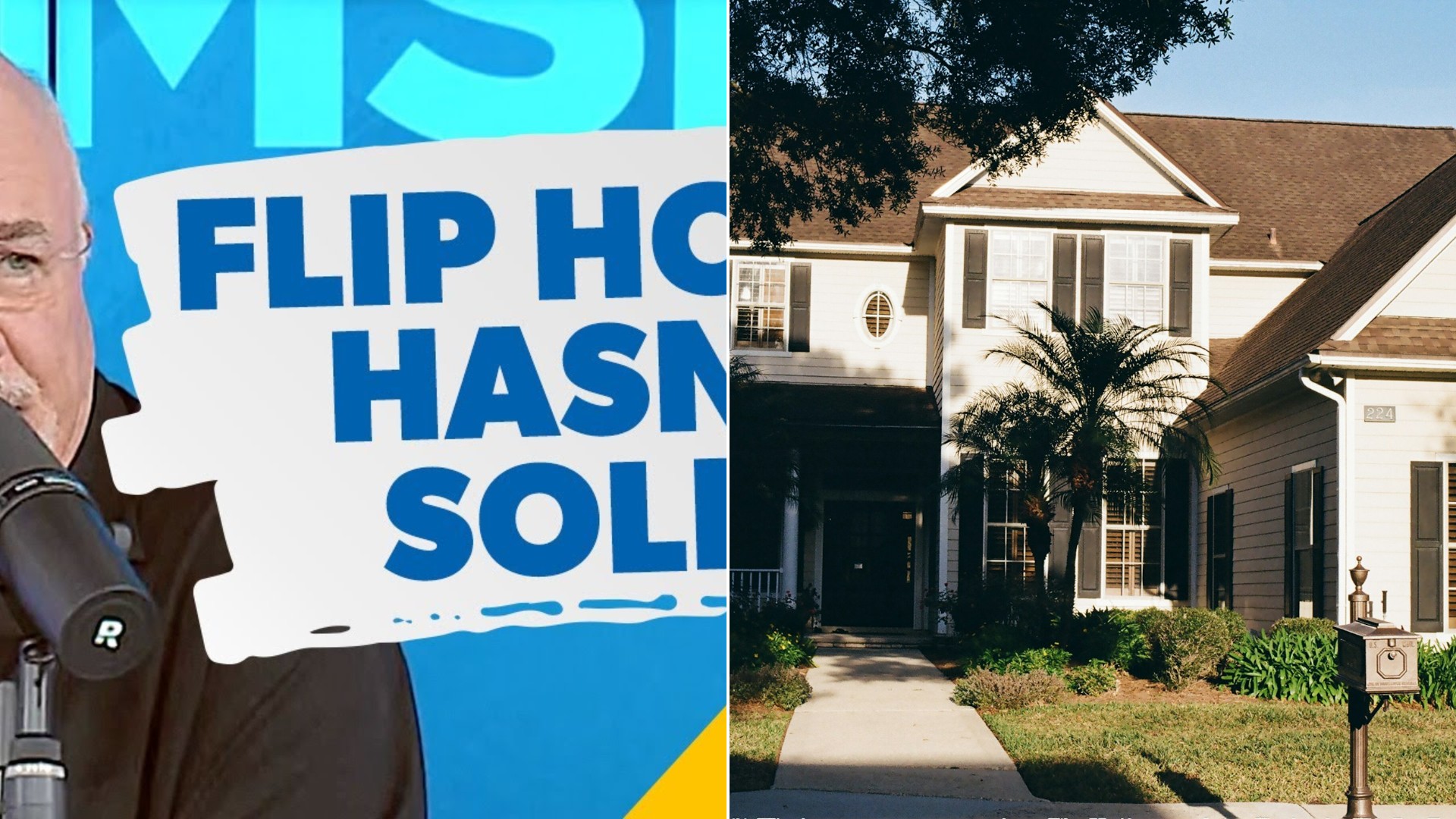
Nate told his story as a caller on The Ramsey Show Highlights, in a segment titled “I Bought a Flip House and It Hasn’t Sold!” Nate had saved about $50,000 to make the dream happen. The house was bought back in November of 2021, and at the time of the call, it was a year and a half later.
Three Months Became a Year and a Half
As Nate explained it, the three month construction window stretched into a year and a half, and it took three contractors to get the house finished. It went on the market in April. After a little over 60 days, there had been a showing or two every week or every other week, and no offers.
The asking price started at $240,000, and Nate had already dropped it to $217,000 without seeing much movement. When the host asked how much had been lost, Nate said nothing had been lost yet because the house had not sold. The host was not so sure about that, and pointed out what the numbers were saying: if the house is listed at $217,000, there will be a loss.
Where the Money Came From
The financing was a big part of the story. Nate said there is a HELOC, a home equity line of credit, on the family’s personal home, with $157,000 owed on it. The rest of the flip was paid for in cash. Nate said the family was in the house for $221,000 so far, and with realtor fees and closing costs, expected to be about $241,000 all in. Nate agreed that selling at $217,000 means a loss for sure.
The host also noted that the HELOC is on the personal home, which means it is separate from the question of what to do with the flip. As the host put it, the house could be sold for ten dollars and the HELOC would still be there.
The Market Mystery
What made the story puzzling was how the neighborhood looked. Nate said the comparable sales used while planning the project were between $217,000 and $238,000, and other realtors who came through said the price point was great. There is also a house three doors down selling for $260,000, and it is 200 square feet smaller than the flip house. The host’s reaction was that someone should have snapped it up in a heartbeat, and asked whether the workmanship might be the problem.
Nate had about $50,000 in cash or investments that could be taken out without a penalty, and wanted to know whether to pay down the HELOC and wait it out.
The Host’s Advice
The host’s first step was to get in touch with a recommended local real estate agent. The host described the right person as someone with at least three years of experience who has moved hundreds of units, not tens. The host also said Nate may want to change real estate agents again, because the numbers Nate was giving did not make sense.
What Flippers and Buyers Can Learn
One part of Nate’s story stands out: the price on paper and the price a buyer will pay do not always match. Nate had comps, opinions from other realtors and a nearby sale at $260,000, and the house still had no offers after 60 days. That gap is the heart of the problem.
Whether you are thinking about a flip or just about selling your own house, a few lessons stand out from this call:
- Timelines slip. A three month plan became a year and a half. Build extra time into any renovation schedule, because every month a house sits costs money.
- Know your total cost. Nate worked out the all-in number including realtor fees and closing costs. That figure is what tells you whether a price makes sense.
- Do not mix up debts. The host separated the HELOC on the personal home from the decision about the flip. They are two different problems.
- Interview your agent. Ask how many homes they have sold, not just how long they have been licensed. The host put weight on hundreds of sales, not tens.
- Question the story the numbers tell. When comps, feedback and showings do not add up, it is worth asking a trusted, experienced professional to look at the whole picture, as the host suggested here.
Nate’s situation is a reminder that a flip is only a win once the house has actually sold. Until then, the loan payments, the repairs and the waiting are all real. The best protection is to plan for the slow version of the story before it happens, keep your personal finances separate from the project, and get honest advice from someone who sells houses for a living.
More Stories You May Like
- Gardening Fix After an HOA Violation Shows How One Homeowner Solved It Without Paying a Fine
- Appalachian Grandmas Fed Whole Families From Flour, Grease And A Cup Of Water During The Depression And One Meal Even Kept A Family From A Deadly Disease
- Home Inspector Finds A Gas Meter With A Broken Top Held Together With Tape, Then Learns Nobody Ever Called The Gas Company To Fix It
Leave a Reply