
A homeowner documents a dispute with his neighbor over landscaping that appears to have shifted onto his property, leading him to bring in a professional surveyor to get definitive proof of the boundary line before confronting the neighbor directly. It’s a small story on its face, but it’s told with enough specificity, real numbers, real rooms, real reactions, that it ends up saying something bigger about how people actually live.
Hiring a licensed surveyor, rather than simply measuring with a tape and a hunch, signals a homeowner who wanted the kind of documentation that holds up beyond a casual disagreement. A surveyor’s report carries legal weight that an eyeballed property line simply doesn’t, which matters a great deal once a dispute moves from a neighborly conversation toward something more formal.
@_prank.everyday I had a feeling my neighbor’s lawn was creeping onto my property, so I got a surveyor out here to get real proof before I said anything. #propertyline #neighbordispute #homeowner
As @_prank.everyday lays it out, what’s being shared isn’t just a finished result but a genuine account of how it came together, complete with the setbacks and surprises that rarely make it into a more curated version of the same story.
It’s worth keeping in mind that this account, like most neighbor disputes shared online, comes from only one household. The surveyor’s report may settle the factual question of where the line actually sits, but it doesn’t capture why the lawn drifted in the first place, whether through a genuine misunderstanding, a landscaper’s error, or something more deliberate, and that part of the story remains outside what any clip can show.
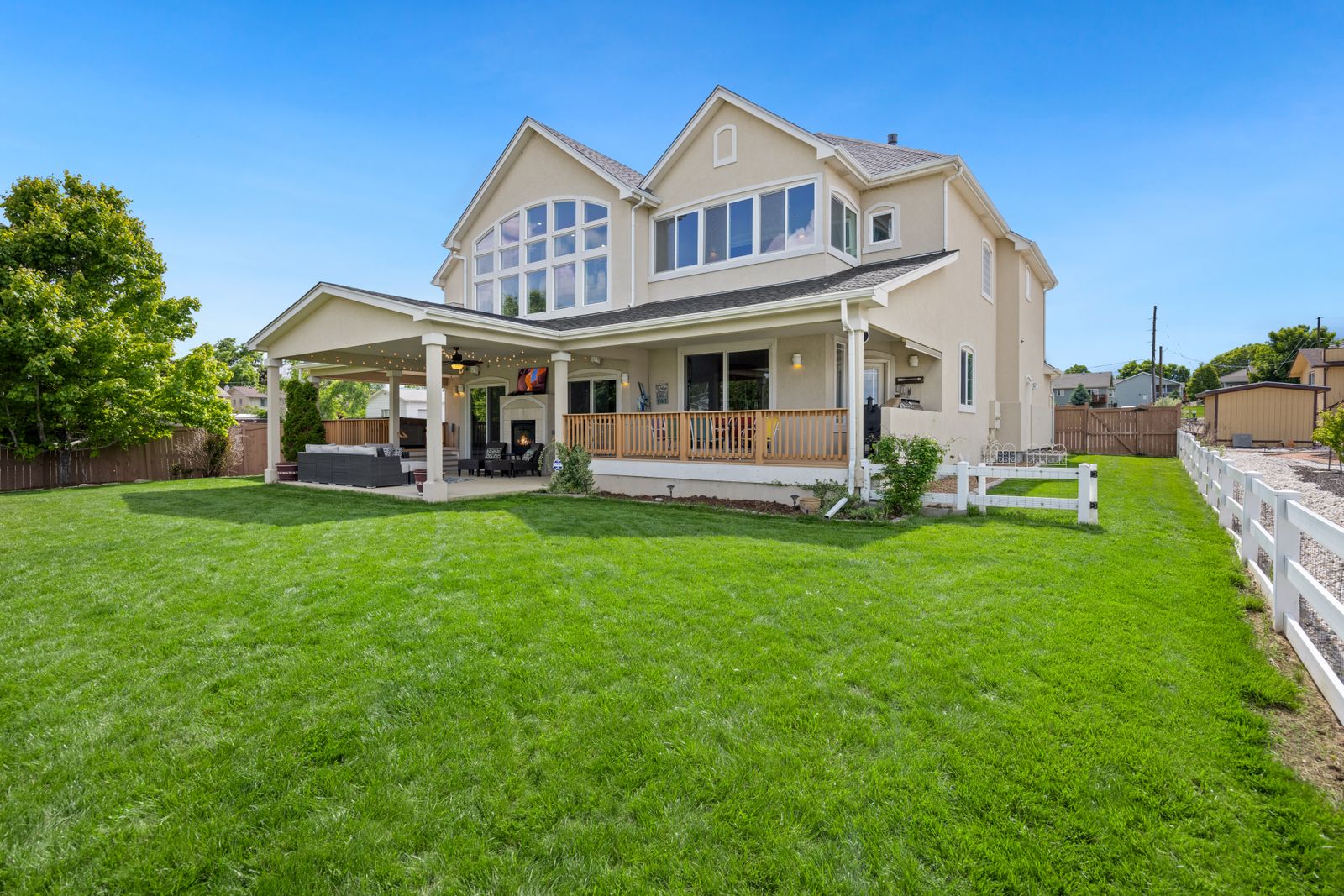
A lawn that gradually “creeps” across a boundary line rarely happens in one dramatic moment. It’s usually the result of years of mowing a few extra inches past where the actual line sits, planting beds extended a little further each season, or a sprinkler system installed without anyone checking exactly where the property ends, until the drift adds up to something visible enough to question.
A professional survey typically involves locating or re-setting physical boundary markers, cross-referencing the recorded plat with GPS measurements, and producing a report that can hold up in a formal dispute if the conversation with a neighbor doesn’t resolve things informally. That process can take anywhere from a few days to a couple of weeks depending on how built-up the surrounding lots are and how old the original survey markers turn out to be.
Choosing to get proof before confronting the neighbor, rather than leading with an accusation, is a deliberate sequencing choice that changes the entire tone of a dispute like this one. Arriving at a conversation already holding a surveyor’s report shifts the exchange from “I think you’ve moved onto my land” to a much harder claim to dispute.
Boundary disputes involving landscaping specifically tend to be harder to resolve amicably than other property conflicts, since removing an established lawn, garden bed, or sprinkler line that’s been in place for years feels like a bigger loss to the neighbor being asked to give up that section, even when the survey confirms they were never entitled to it in the first place.
Comment sections under a video like this one tend to fill quickly with viewers sharing their own boundary surprises, a fence a few feet off, a shed that turned out to sit on the wrong side of a line, which suggests creeping encroachment is a far more common property issue than most homeowners realize until they’re the one paying for a survey to settle it.
There’s also a financial angle worth noting in disputes like this one. A formal survey isn’t free, often running several hundred dollars depending on lot size and local rates, which means the homeowner here made a calculated decision that settling the question definitively was worth the upfront cost rather than letting an ambiguous situation continue indefinitely.
A story built around a surveyor’s visit rather than a shouting match also changes what a viewer actually takes away from it. Most neighbor-conflict content ends at the confrontation; this one puts the procedural groundwork front and center, which gives it a practical, almost instructional quality that a purely emotional dispute video doesn’t offer.
A quietly shifted boundary, rather than a sudden dramatic land grab, is also precisely why this kind of dispute can simmer for years before anyone takes the step of calling in a surveyor. Slow, incremental changes are easy for a neighbor to rationalize at each individual stage, even when the cumulative result is a meaningful loss of usable yard.
For anyone suspecting a similar drift on their own property line, the practical lesson here isn’t about assuming bad faith on a neighbor’s part, it’s about treating a hunch as worth verifying formally before any confrontation happens, since a documented survey tends to defuse a dispute far faster than a disagreement based on two competing memories of where a line used to be.
Older neighborhoods tend to see this particular kind of dispute more often than newer developments, simply because original survey pins from decades ago are more likely to have been disturbed, paved over, or lost entirely by the time a current homeowner has reason to go looking for them. A fresh survey in a case like that isn’t just resolving a disagreement between two neighbors, it’s often re-establishing a boundary line that hasn’t been formally verified since the lots were first subdivided.
Whatever happens next between these two households, the decision to get definitive proof before saying a word to the neighbor has already done the one thing that matters most in a dispute like this: replaced a guess with something that can actually be verified.
Leave a Reply