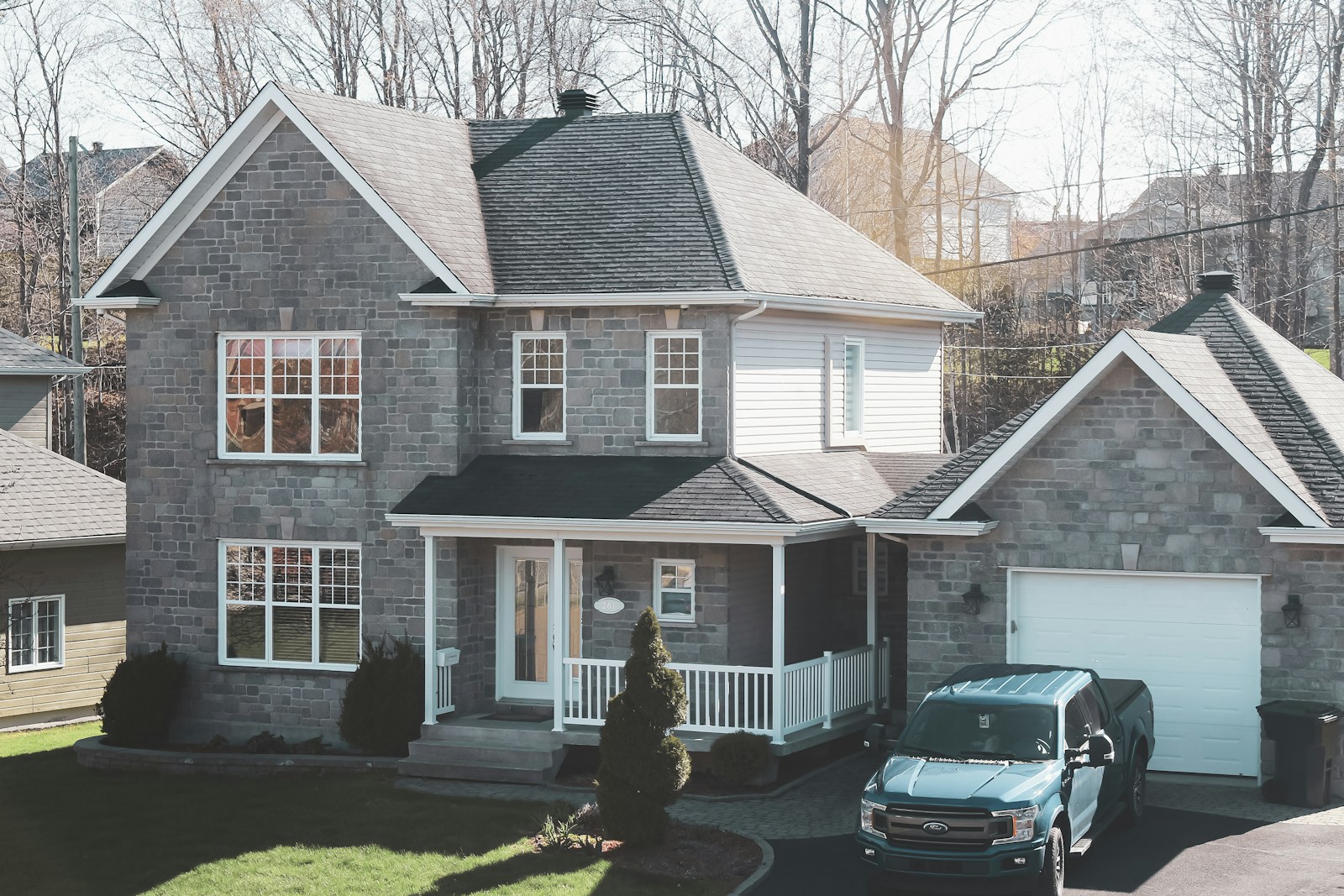
Most homeowners set their insurance coverage once, at closing or renewal, and rarely revisit the number again until disaster forces the question. Insurance industry data suggests that habit is leaving a large share of American homeowners dangerously underinsured — carrying a policy limit that would not come close to covering what it actually costs to rebuild their house from scratch today.

Why the Gap Keeps Widening
Rebuilding costs are driven by current construction material and labor prices, both of which have climbed sharply in recent years due to supply chain disruptions, tariffs on building materials, and a persistent shortage of skilled construction labor. A policy’s coverage limit, by contrast, only increases when a homeowner actively updates it or when an insurer’s automatic inflation adjustment keeps pace — and that automatic adjustment frequently lags well behind the real-world cost of construction, especially during periods when material and labor costs spike faster than historical trend lines predicted.
How the Shortfall Actually Plays Out
The gap only becomes visible at the worst possible moment: after a total loss, when a homeowner discovers their policy’s dwelling coverage limit falls tens or even hundreds of thousands of dollars short of what a contractor actually quotes to rebuild the same home to code in the current construction market. Building codes themselves compound the problem, since many jurisdictions require a rebuilt home to meet current code standards rather than the code in effect when the original home was built — an upgrade requirement that adds cost a homeowner’s original coverage limit, set years earlier, never accounted for.
Why Homeowners Rarely Catch the Problem Themselves
Insurers typically calculate a recommended dwelling coverage amount using a rebuild-cost estimator tool at the time a policy is written or renewed, but those estimates depend on accurate underlying data about a home’s specific size, materials, and features — data that can go stale if a homeowner has since finished a basement, added a room, or upgraded finishes without updating their insurer. Homeowners who have not proactively contacted their insurer to review coverage limits in several years are statistically the most likely to be carrying a policy that no longer reflects either current construction costs or their home’s current actual condition.
What Homeowners Can Actually Do About It
Insurance advisors recommend homeowners request a fresh rebuild-cost estimate from their insurer at every renewal rather than assuming an automatic inflation adjustment has kept pace, and to specifically flag any renovations, additions or upgrades completed since the policy was last reviewed. For homeowners uncertain whether their current coverage is adequate, an independent contractor’s rough estimate of current local rebuild costs per square foot — compared directly against the dwelling coverage limit printed on the declarations page — offers a fast, free gut check that can reveal a dangerous gap well before a fire, storm or other disaster ever forces the question.
Leave a Reply