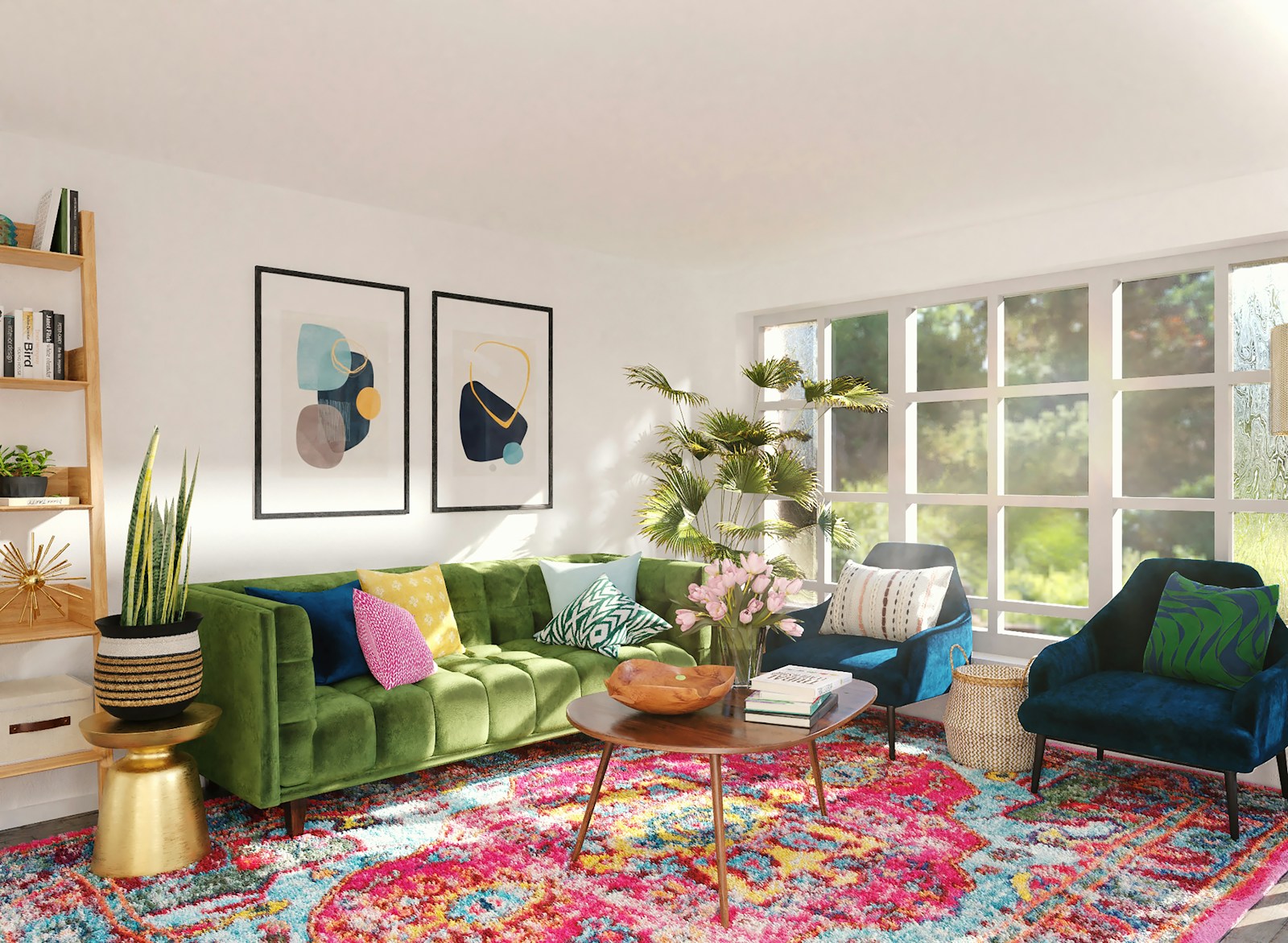
Grandmillennial design — the maximalist, doily-and-chintz-adjacent aesthetic that borrows heavily from a grandparent’s formal living room and reassembles it for a younger homeowner — has become one of the more polarizing trends in home decor precisely because it rejects everything minimalism stood for. Every fresh reveal in the style seems to trigger the same split reaction: half the comments calling it gorgeously cozy, half calling it cluttered.
What Actually Defines the Look
The style leans into pieces minimalist design spent the last decade banishing: floral chintz upholstery, needlepoint pillows, skirted furniture, brass accents, and china displayed rather than hidden in a cabinet. Designers working in the aesthetic describe it as maximalism with intention rather than clutter — every object in a well-executed grandmillennial room is meant to read as chosen and layered, not simply accumulated, which is exactly the distinction that gets lost on critics who see a shortcut label for “too much stuff.”
Why the Reaction Is Always So Split
The design’s core appeal — nostalgia for a specific, formal, textile-heavy domestic aesthetic — is also its core liability with critics who grew up specifically trying to escape that same look in their own family homes. For homeowners who associate chintz and doilies with a grandparent’s stuffy, do-not-touch formal room, a grandmillennial reveal reads as regression rather than charm. For homeowners drawn to warmth, pattern, and a sense of history in a room, the same reveal reads as everything sterile minimalism was missing.
Why It Keeps Resurging Anyway
Design trend forecasters have flagged grandmillennial style as a recurring fixture of the broader maximalism revival rather than a one-off moment, pointing to sustained interest in pattern-heavy, personality-driven interiors as a direct reaction against the all-white, algorithm-friendly minimalism that dominated home content for years. The style’s staying power, unusual for anything this polarizing, suggests the debate over whether it is timelessly cozy or hopelessly cluttered is not actually slowing its spread — if anything, the arguments in the comments section have become part of what makes each new reveal worth posting in the first place.
The Practical Version Most People Actually Adopt
Few homeowners fully commit to the style room by room the way showcase reveals suggest; most incorporate it selectively, mixing a grandmillennial piece or two — a skirted table, a set of inherited china, a chintz throw pillow — into an otherwise contemporary room rather than recreating a full formal parlor. That hybrid approach may explain why the style keeps circulating in home design coverage even as any single full-room reveal continues to split opinion right down the middle every time one goes up.
Leave a Reply