
Living in a shared space can be a delightful experience, offering opportunities for community and camaraderie. However, for some residents, it can quickly turn into an overwhelming nightmare. This is precisely the situation facing one Orlando family who is grappling with the fallout from neighbors who treat their illegally converted townhome like a laundromat.
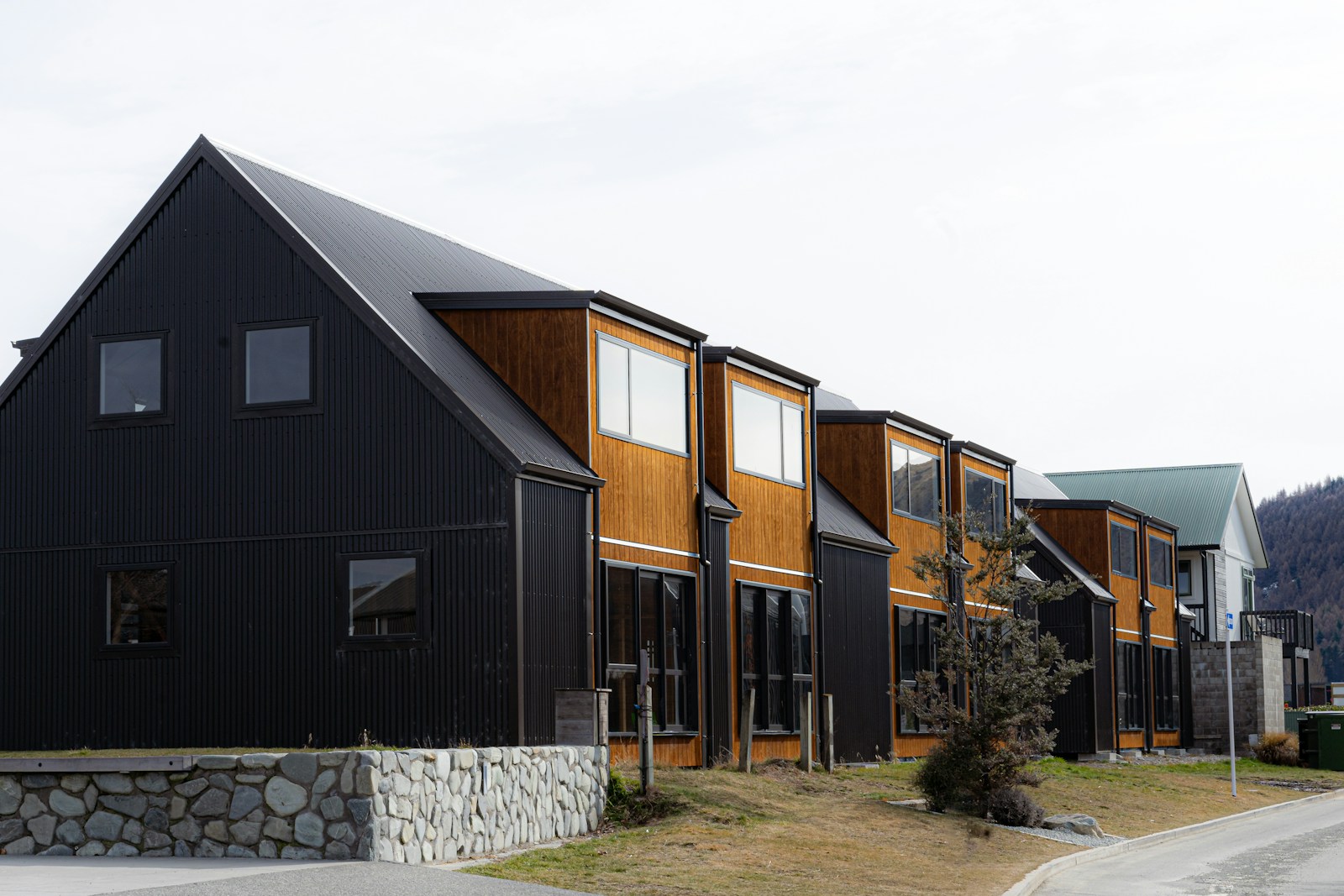
In a housing market where space is limited, many families find themselves living in converted properties. Unfortunately, these arrangements can sometimes lead to disputes that are as uncomfortable as they are complex. This family, already embroiled in an ongoing case regarding the legality of their living situation, has been thrust deeper into chaos by their neighbors’ alarming behavior.
Imagine waking up to the thumping bass of music blaring from next door, only to find that your neighbors are also using your home as a public laundromat. This is the reality for the family living in the front unit, who reports that their neighbors run laundry all day, every day. The sheer volume and frequency of laundry usage have made it clear that some households have different standards of behavior, adding stress to an already precarious living arrangement.
As if the noise weren’t bad enough, the air conditioning situation is equally frustrating. With temperatures hitting highs in Florida, one might think that running air conditioning would be a sensible practice. However, this family’s neighbors seem to take it to an extreme level, running their AC when the outside temperature is a brisk 65 degrees. The result? A shared electric bill that feels less like a joint expense and more like a burden, with one family paying 60 percent and the other only 40 percent. The disparity raises eyebrows and frustrations alike, especially when accompanied by incessant demands for laundry use.
To make matters worse, the sanitation of the shared space has deteriorated to appalling levels. The residents report that their neighbors have been known to throw trash in unsealed bags, letting it rot and fester until maggots infest the garbage cans. This lack of respect for shared spaces not only poses health risks but speaks to a complete disregard for communal living norms. In response, the front unit residents have had to request new trash cans from the city, hoping to salvage some semblance of cleanliness.
Boundaries are crucial when living in such close proximity, yet this family has found their front yard to be a thoroughfare for their neighbors. Despite polite requests to refrain from walking through their yard, the neighbors continue to disregard these boundaries, even after being warned that such behavior could result in police involvement. It’s a classic case of the toll that poor neighborly relations can take on personal space and peace of mind.
Parking adds yet another layer of complexity to this already tangled web. The neighbors have made a habit of blocking the driveway, making it impossible for the front unit to come and go freely. With rules about parking spaces clearly defined—neighborhoods often require street parking for certain units—this ongoing problem has become a significant point of contention. Residents have expressed their frustration, noting how simple civil behavior, such as parking in designated areas, could ease tensions immensely.
It’s evident that living in a shared or converted property requires a level of cooperation and mutual respect that is sadly lacking in this situation. With the noise, sanitation issues, and blatant disregard for personal boundaries, one has to wonder just how common such experiences are in the realm of shared housing. Many individuals have likely encountered similarly exasperating neighbors—those who seem to bask in their lack of consideration, leaving others to pick up the pieces.
As the Orlando family grapples with these myriad challenges, the conversation surrounding shared living spaces continues to evolve. The ongoing case regarding the legality of their home only adds weight to their struggles. While the family searches for solutions to coexist with their inconsiderate neighbors, the situation serves as a glaring reminder of the impact that community dynamics can have on everyday life.
More from Willow and Hearth:
Leave a Reply