
In a shocking tale that highlights the darker side of the rental market, a tenant in California has shared his experience of living in what he thought was an ‘artists’ loft,’ only to discover it was a hazardous and illegal living situation. Upon gaining insight into the reality of his living conditions, this tenant found himself tangled in a web of deceit and exploitation.
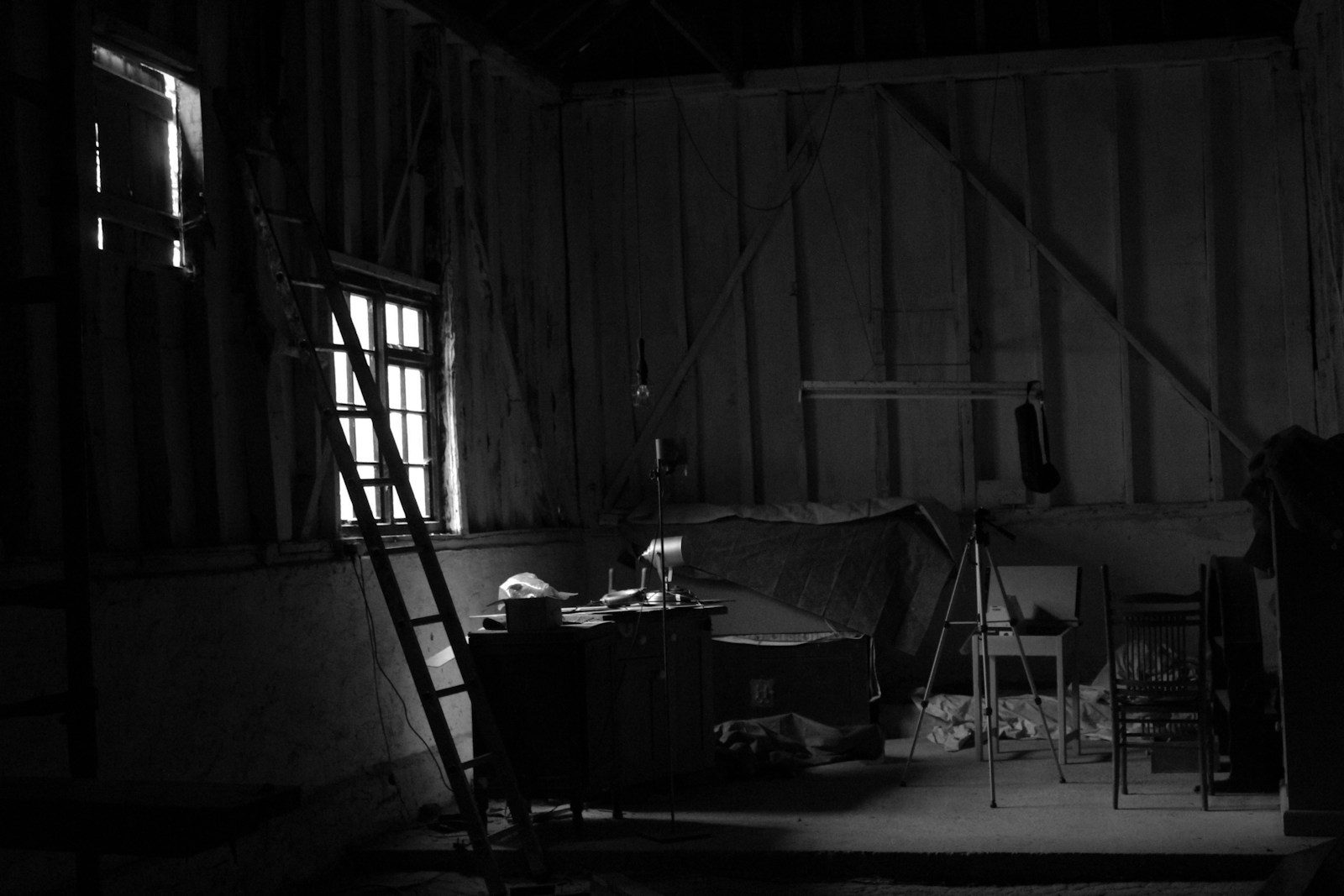
The tenant, who recently moved into the loft after a sudden breakup in December, thought he had found a safe haven for artistic expression. He was lured in with the promise of a creative community, despite the absence of a lease and the requirement to pay cash for rent. The financial aspect was a lifeline for him, as he was unemployed and struggling with poor credit. However, it didn’t take long for the façade to crack. He described the space as a “shithole,” revealing the reality behind the promising exterior.
Living with ten other tenants in an old, converted church, the tenant quickly identified several alarming issues. With makeshift walls constructed from plywood and canvas, privacy was non-existent. Tenants shared cramped quarters, leading to an uncomfortable and chaotic living environment. In fact, he noted that his room was considered one of the better options simply because it had a door. Yet, he paid a staggering $1,250 monthly for a concrete closet that lacked basic amenities.
To make matters worse, the loft was riddled with safety hazards, including exposed wires dangling from the ceilings and a confusing maze of extension cords. The plumbing was inadequate, with water pressure so low it took ages to fill a simple pot, and only a few burners on the stove worked, requiring a lighter to ignite. The tenants, in desperate need of a livable space, were subjected to a constant roar from industrial fans that were necessary due to the lack of windows and ventilation in the building.
As the tenant prepared to move out after growing frustrated with the situation, he was met with aggressive demands from the lead tenant. Despite planning to leave peacefully, the harassment over clearing his room made him reconsider his options. After experiencing a string of financial setbacks, including a theft of $850, he was pressured for payment even after briefly utilizing his deposit during his emergency. What should have been a straightforward arrangement turned into an exhausting ordeal, with the other tenants facing similar struggles.
As the narrative unfolded, the tenant learned that the lead tenant was pocketing a staggering amount of money each month. Collecting anywhere from $13,000 to $15,000 in rent, but only paying the actual landlord $7,000 to $8,000, this lead tenant was operating a pseudo-artist commune while exploiting vulnerable individuals in precarious situations. Living under the guise of benevolence, he positioned himself as a savior for tenants with poor credit, while in reality, he was taking advantage of their desperation.
This eye-opening experience has left the tenant questioning his rights and potential avenues for recourse against the lead tenant. Despite lacking a traditional lease, he wonders whether he has the leverage to delay his departure. Faced with hazardous living conditions and a profit-driven landlord operating outside the law, he considers rallying the other tenants to take a stand against their exploitation. He contemplates whether withholding rent might prompt action from the lead tenant, ultimately forcing him to confront the numerous code violations present in the property.
As he navigates this chaotic situation, the tenant hopes to inform his fellow residents about the reality of their circumstances and the extent of the exploitation they were subjected to. While this experience serves as a cautionary tale about the risks of unconventional living situations, it also highlights the importance of awareness and communication among tenants. Together, they may find the power to challenge the status quo.
More from Willow and Hearth:
Leave a Reply