A price tag of $1.7M should buy a house where everything works. A home inspector on Instagram shows what he found when he walked through a new construction home at that price, and the list is not what a buyer hopes for.
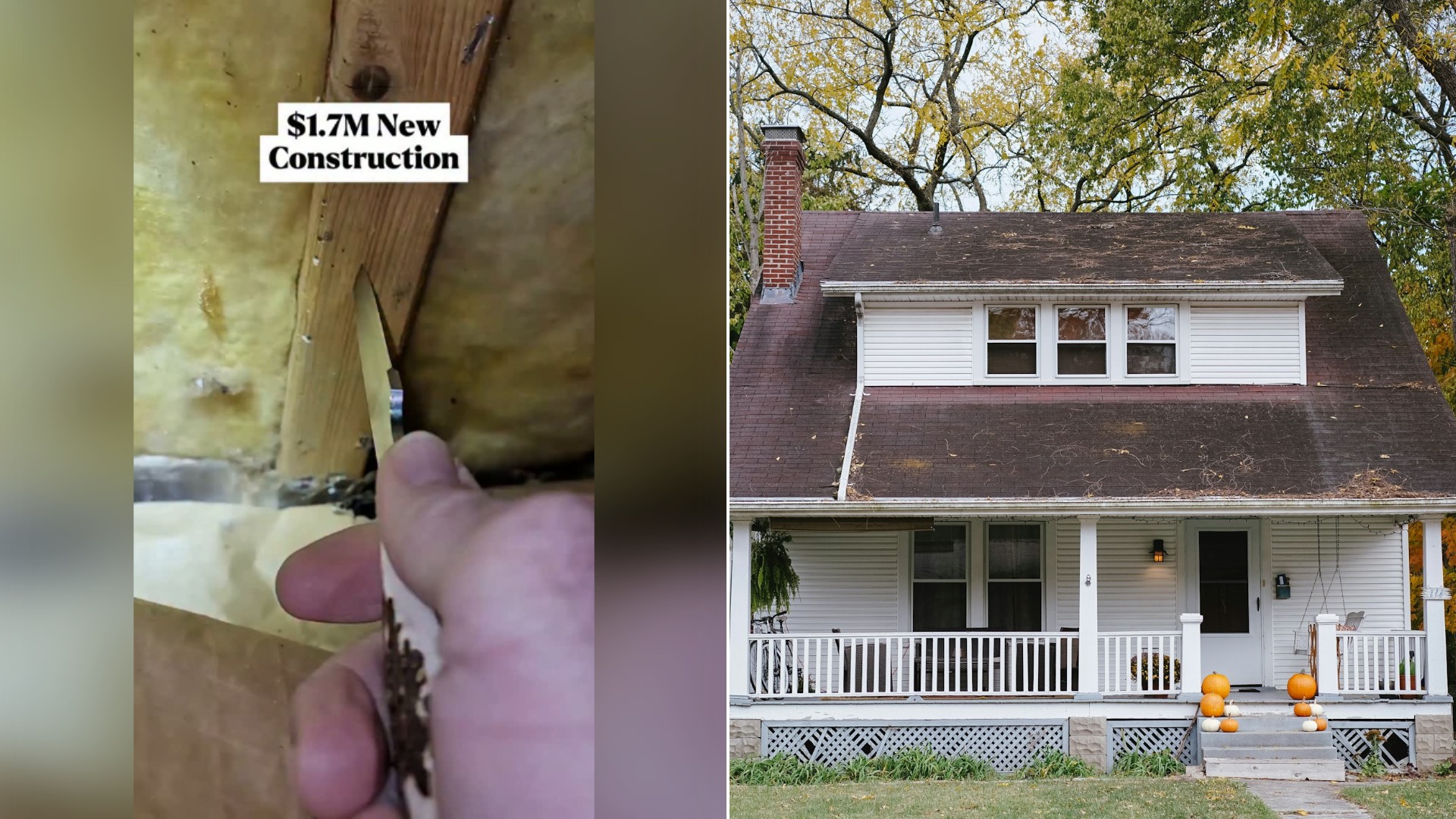
@american_home_inspector points out a shower that is not watertight, a bathroom vent duct that is poorly supported, and a condensate line placed where it blocks service to the HVAC unit.
View this post on Instagram
“Making Sure It’s Watertight” And The Shower That Was Not
Upstairs, the inspector checks the shower enclosure to make sure it is watertight. His finding is plain: “This one is not.”
That is a problem in any house, and a bigger one in a house priced at $1.7M. A shower that leaks can damage the floor and walls below it, and the damage may not show up for a long time.
He also notes the soap shelf. It should slope toward the drain, he says, instead of toward the wall.
A soap shelf that tilts the wrong way holds water against the wall instead of letting it run off. Over time, standing water on a shelf can wear on the grout and the wall behind it.
A Bathroom Vent Duct With “So Much For Stretch And Support”
The inspector then shows how the duct was run for the bathroom exhaust vent. His comment is dry: “So much for stretch and support.”
A bathroom fan is supposed to carry moist air out of the house. If the duct sags or is not pulled tight and supported, moisture can collect in low spots, which can lead to mold or dripping.
It is the sort of detail that is easy to miss, because it sits above the ceiling where no one will ever look. That is exactly why people hire inspectors.
A Drain Line Run Where Someone Would Have To Move It To Fix The Air Conditioner
The last problem he points out involves the HVAC system. The secondary condensate drain line to the HVAC unit was poorly run across the cover to the fresh air intake.
As he puts it, that now requires it to be moved in order to service the unit. In other words, a technician who needs to get into the system would have to relocate the line first.
A condensate line carries away the water that forms when your air conditioner cools the air. The secondary line is a backup, and it is there to protect the house if the main drain clogs.
A backup line that is in the way can end up poorly maintained or damaged. That could lead to water problems on the day you need it most.
Why An Expensive New House Still Needs A Second Pair Of Eyes
A high price does not guarantee a flawless build. Large houses have more systems, more bathrooms and more places for something to go wrong, and many trades work on them at different times.
Builders and their crews are busy, and details can slip. An independent inspector works for the buyer, and checks what the finished house actually looks like on the day you are about to take ownership.
Some of these items, such as the shower, could be tested before you ever move in. Others, such as the duct and the condensate line, are hard to see unless someone knows where to look.
Questions To Ask Your Inspector Before The Walkthrough
Ask whether the inspector will test the showers by running water and checking for leaks, or will only look at them. A water test is the kind of check that turns up a shower that is not watertight.
Ask whether the inspection includes the attic, the crawl space and the mechanical equipment, because that is where ductwork and drain lines hide. The problems in this walkthrough sat in exactly those out-of-the-way places.
Ask for photos in the report. A picture of a poorly supported duct or a misplaced drain line is far more convincing to a builder than a sentence in a list.
And ask how long the report will take. Buyers who are given the written findings in time can use them to negotiate repairs before closing.
Finally, ask what the builder’s warranty covers and for how long. Knowing the deadline for reporting a problem keeps a small defect from becoming an expensive argument.
What To Do If Your New Home Inspection Turns Up A Long List
Do not panic if the report is long, because a long list is common with new houses. What matters is that the builder agrees to fix the items and that the repairs are checked.
Put your requests in writing and ask for a date by which each item will be fixed. After the repairs, have the inspector or a qualified tradesperson return to confirm the work was done correctly.
Keep the report, the photos and any emails in a folder. If a problem shows up later, you will have a clear record to show the builder or the warranty company.
The lesson from this walkthrough is simple. Whether a house costs $400,000 or $1.7M, the only way to know what you are buying is to look at it carefully, and to hire someone who knows where to look.
More Stories You May Like
- Home Inspector Is Told The Client’s Wife Heard He Is Pretty Thorough, Then He Finds A Gas Line With No Bonding And An Outlet Open To The Wires
- $2.5M New Build Inspection Finds A Kicked In Door, Loose Window Trim And Short Roof Flashing, And The Inspector Says For That Price He Expects It Fixed
- 6 Hidden Leaks Around Your House That Are Easy To Fix
Leave a Reply