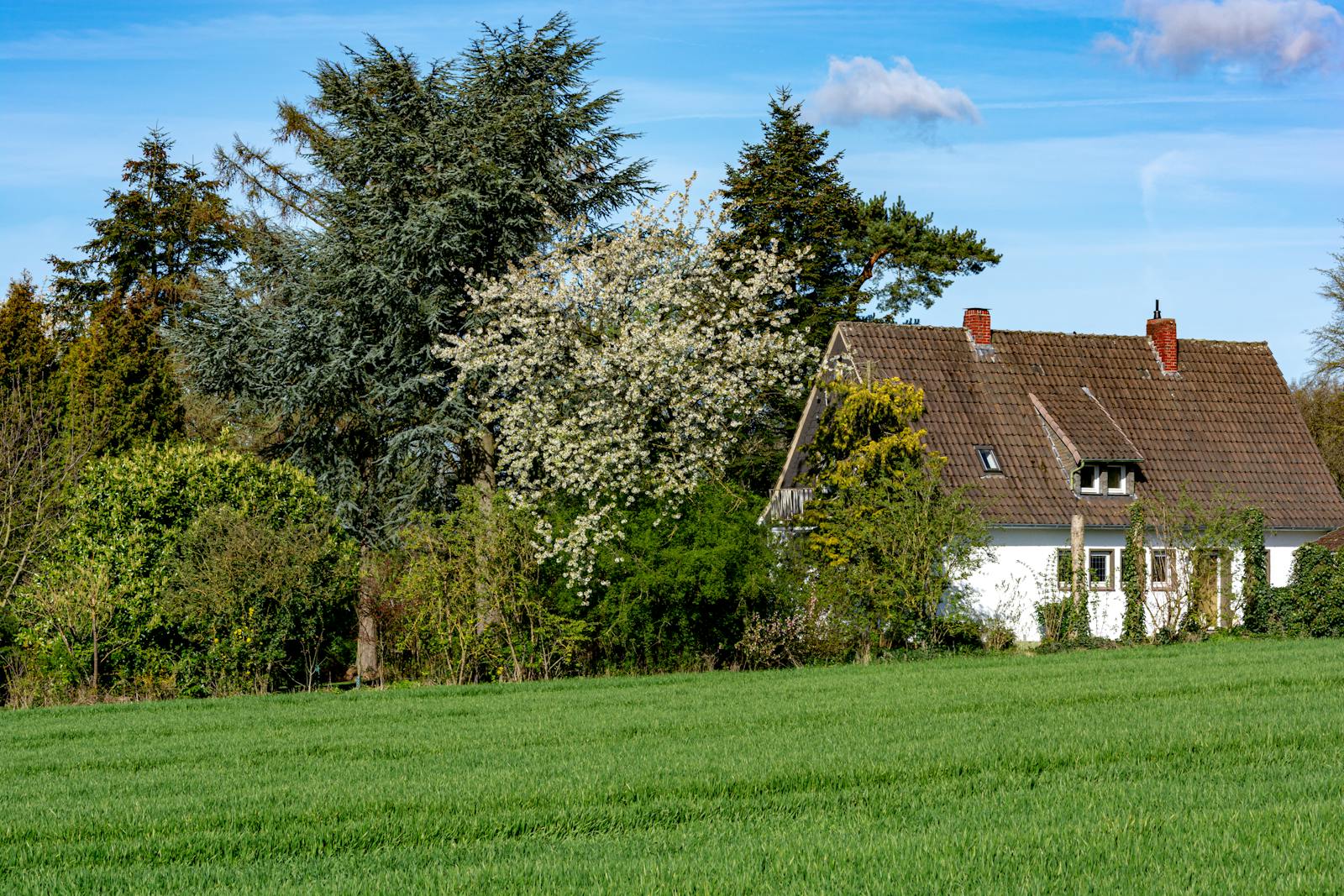
In rural communities, neighbors often watch each other closely, sharing both the beauty and challenges of country living. However, for one landowner, this relationship turned sour when a belligerent neighbor reportedly trespassed onto their property to release all rainwater collections, further complicating an already stressful time during finals week.

The landowner, who resides about an hour away from their rural property, was taken aback when they received a text message detailing the trespass. The neighbor’s hostile actions were not merely a nuisance; they posed a significant risk to the landowner’s water conservation efforts. Rainwater collection, a legal activity in many states, is not only practical for gardening but also serves an important role in managing fire risks, particularly in dry rural areas.
The landowner had carefully set up multiple caches of rainwater, which were intended for nurturing plants and preventing potential brush fires that could arise from burn barrel usage. The situation escalated even further, as the landowner had also placed mosquito dunks in the water, an eco-friendly solution to combat mosquito breeding. The destruction of these caches not only undermined the landowner’s efforts to maintain their property but also posed a public health risk.
As the semester winds down, the landowner faces the daunting task of balancing academic responsibilities with property management. With finals week looming, the thought of driving to the property to confront the neighbor is less than ideal. Additionally, as a full-time student, the cost of fuel—approximately $30 for the round trip—adds unnecessary stress to the situation. It’s a classic case of rural life clashing with urban obligations, leaving the landowner feeling caught in the crossfire.
This feud appears to have a long history. The neighbor’s resentment traces back to the initial purchase of the property. From the very start, the landowner reported feeling unwelcome, as the neighbor was displeased with the visible presence of gardening equipment, chainsaws, and personal protective equipment tucked away on the land. The fact that the only clear access point to the land is along the neighbor’s easement only adds fuel to the fire for the belligerent neighbor, who seems overly concerned with the landowner’s activities.
In the broader context, this incident serves as a reminder of the complexities that can arise in rural neighborly relationships. While some communities thrive on cooperation and support, others can quickly descend into conflict. Property disputes, especially concerning boundaries and shared resources like water, often lead to bitterness that can last for years. The landowner’s predicament highlights not just the unique challenges of rural living, but also the emotional toll it takes on individuals when their peace is disrupted.
For those who may find themselves in similar situations, finding a resolution might require more than just a simple conversation. In cases of trespassing and property damage, it may be beneficial to consult local authorities or legal counsel. Yet, for someone currently grappling with the stress of academia, engaging in such a dispute can feel like an insurmountable hurdle. The landowner’s plight reflects a broader concern about how personal struggles, like studying for finals, can be exacerbated by external conflicts.
As the original poster weighs their options, they could consider various approaches to mitigate the situation. One potential avenue is to reach out to the neighbor diplomatically, either directly or through a mediator. Starting a conversation could help ease tensions, as well as demonstrate a willingness to cooperate, which may be beneficial in the long run.
In the meantime, as the landowner prepares for finals, they must find a way to compartmentalize their academic responsibilities from the ongoing feud. As trivial as it may seem to outsiders, having a neighbor take such drastic actions as dumping rainwater caches can feel like a personal attack. The stress of final exams and academic performance only compounds the emotional weight of this neighborly dispute.
While neighborly woes may be a common theme in rural life, it is essential for landowners to focus on their primary goals—whether that is acing finals or managing property—without being overly distracted by the antics of a belligerent neighbor. In the end, the hope is that the situation can be resolved amicably, allowing the landowner to finally find peace in their rural retreat.
More from Willow and Hearth:
Leave a Reply