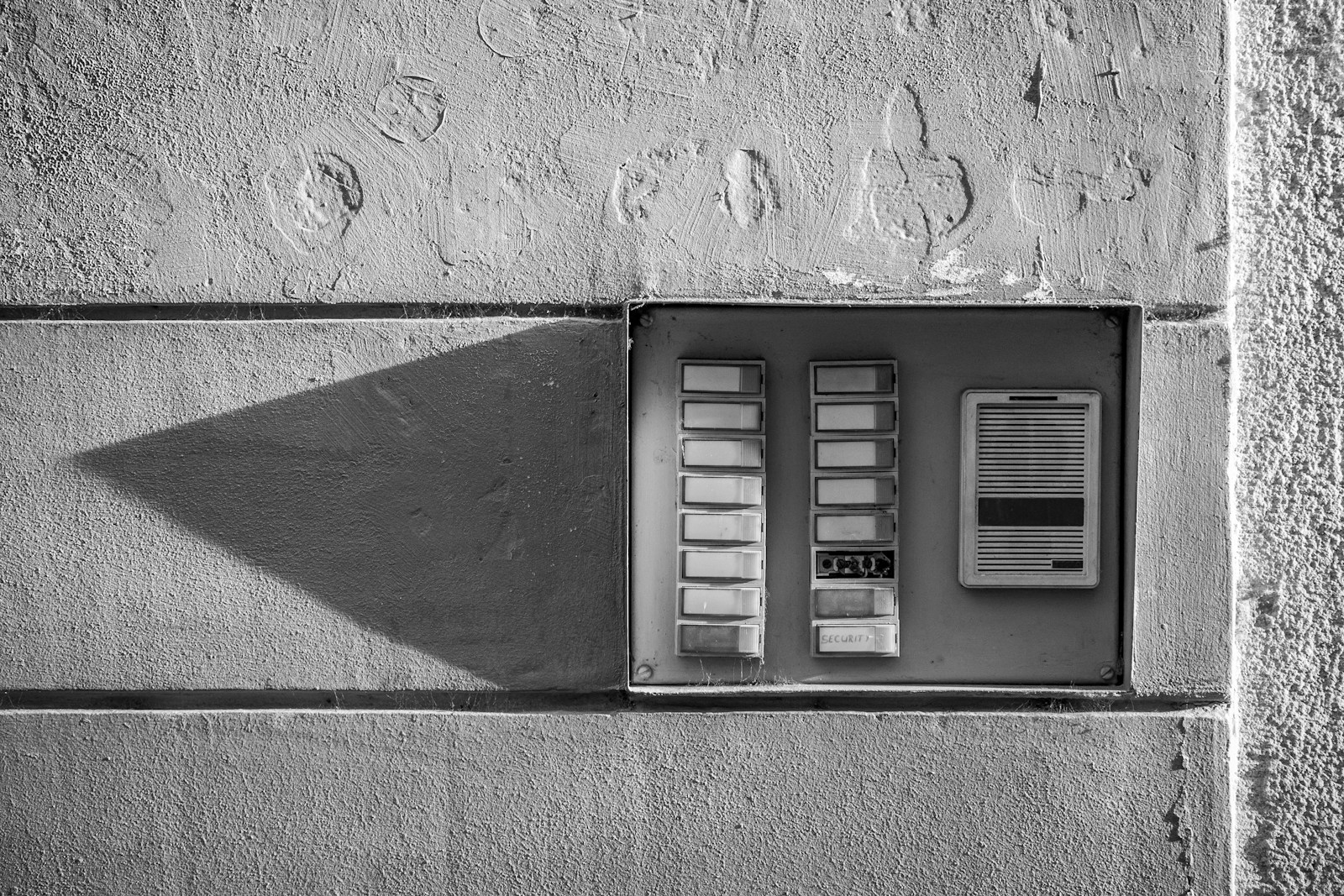
Last night in a quiet apartment complex, a late-night visitor turned an unsuspecting neighbor into an unwitting backup doorbell, buzzing away in vain as she tried to reach a friend who wasn’t home. The scene unfolded between 11:20 PM and 11:50 PM, when the tenant, deep in slumber, was jolted awake by the persistent sound of the intercom. What began as a potential emergency quickly devolved into an exasperating situation that left the neighbor yearning for peace.
According to the tenant, who recounted the bizarre episode, the woman on the other end of the intercom was undeterred by the fact that she had the wrong apartment. Initially, the tenant thought it might be a matter of urgency, prompting them to answer the intercom. However, it became clear that the situation was not as dire as they had feared. “I could hear her talking on the phone,” the tenant noted. “It definitely didn’t sound like a damsel-in-distress situation.” Instead, the visitor simply kept buzzing, seemingly oblivious to her mistaken targeting.
The tenant’s frustration compounded with each passing minute. After around 30 minutes of the unrelenting buzzing, they struggled to regain enough tranquility to drift back to sleep, particularly knowing they had an early morning meeting looming on the horizon. With each buzz, the chances of a restful night slipped further away, replaced by a growing irritation at the visitor’s lack of awareness. “If you’re visiting someone late at night, please make sure they’re actually home before turning random neighbors into your backup plan,” the tenant suggested, encapsulating the night’s absurdity.
As the digital conversation around this incident unfolded, one prevalent theme emerged: many commenters shared a common disbelief at the visitor’s lack of consideration for others. Some highlighted how these types of late-night disturbances could significantly impact neighbors, especially those with busy work schedules or families. The tenant’s experience resonated with many who felt that personal responsibility should extend beyond one’s own social circles to include an awareness of shared living spaces.
Others turned the focus onto common decency, echoing the tenant’s sentiments that a little foresight could go a long way. Several readers expressed their own experiences with late-night visitors who seemed to disregard the fact that not everyone is up for a spontaneous gathering. One commenter humorously remarked, “Why not just send a text first?” capturing the collective frustration felt over a simple lack of communication that could have prevented the entire situation.
Despite the shared annoyance, several commenters also reflected on the nature of urban living and the unexpected challenges it presents. For residents in densely populated areas, this incident serves as a reminder of the sometimes fragile balance between personal space and community living. While buzzing the wrong apartment might seem like a small misstep, the cumulative effect of such actions can lead to significant disruptions, as demonstrated by the tenant’s sleepless night.
The incident raised additional questions about accountability among neighbors and the etiquette expected in apartment living. With a mix of humor and annoyance, the tenant’s narrative brought forth a relatable story that illustrated how quickly a simple error can escalate into a night of frustration. While there were no lasting consequences for either party beyond a ruined night’s sleep and a shared chuckle online, the situation left an imprint on the tenant.
In the end, the night culminated not just in a disruption of sleep but also in a subtle acknowledgement of the interconnectedness of life in close quarters. What started as a minor inconvenience had morphed into a shared anecdote among apartment dwellers navigating the ups and downs of condo camaraderie. For the tenant, it was a poignant reminder that, in the realm of shared living, a little mindfulness goes a long way—even in the wee hours of the morning.
Original discussion: https://i.redd.it/ud2c9xhaffah1.jpeg
Leave a Reply