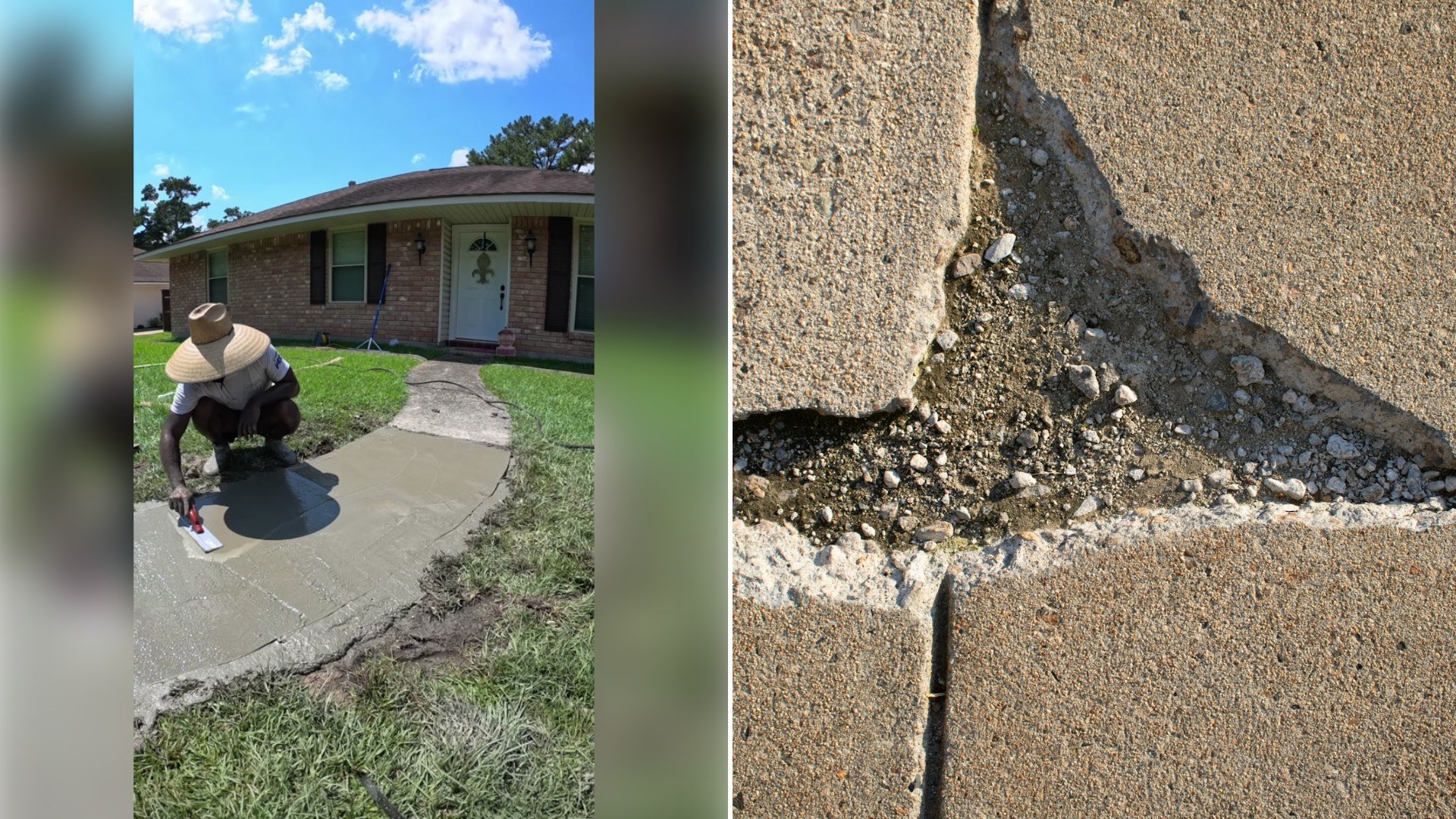
While out walking, a creator notices a neighbor’s badly cracked sidewalk and decides on the spot to fix it himself, documenting the process of mixing and pouring concrete to repair the walkway as an unprompted act of neighborliness. The video works less like a highlight reel and more like a short, honest documentary, the kind that earns its ending by actually showing the unglamorous steps that led there.
The footage leans on specifics rather than vague gestures, exact figures, exact rooms, exact before-and-after beats, and that attention to detail is exactly what keeps a clip like this from blurring together with the dozens of similar videos competing for the same scroll.
@unclejhonnI just poured a DIY walkway because I ain’t have never else to do.
As @unclejhonn frames it, there’s no attempt to smooth over the messier parts of the story, and that candor is a large part of why the post has resonated with people well beyond the creator’s usual audience.
It’s part of a broader wave of home-related content that trades polish for transparency, real budgets, real timelines, real reactions, and audiences have clearly responded to that shift away from the more aspirational, staged version of the same subject matter.
It’s worth remembering that what makes it onto a feed is almost always a fraction of the full story behind a home. The permits, the contractor calls, the returned materials, the arguments over paint swatches, none of that survives the edit, and what’s left is a condensed version that trades completeness for clarity, choosing the handful of beats that actually read on a small screen.
Homeownership content like this also functions as a kind of informal education for an audience that might never otherwise see the inside of a renovation in progress. For a lot of viewers, especially those who rent or haven’t yet bought a first home, these clips are the closest thing to a hands-on tutorial in what a given project actually costs, how long it actually takes, and what it actually looks like while it’s underway.
The broader trend of real, unpolished home content standing in for the more staged version of the same subject says something about where audience taste has shifted in recent years. A decade ago, the dominant home-related content online leaned heavily on glossy, magazine-style photography; today, the videos that travel furthest tend to be the ones willing to show the mess, the delays, and the moments that didn’t go according to plan.
None of this happens without real financial stakes sitting just underneath the surface of the video. A renovation, a purchase, a repair, whatever the specific project, it almost always represents a meaningful chunk of someone’s savings or time, and that sense of real stakes is part of what keeps a thirty-second clip from feeling disposable the way so much other short-form content does.
What separates the clips that actually spread from the ones that don’t usually comes down to specificity rather than production value. A viewer doesn’t need cinematic lighting to stay engaged, they need a clear sense of what changed, why it mattered, and what it took to get there, and the videos that nail those three things tend to outperform far more polished content that skips past them.
For viewers taking notes rather than just watching for entertainment, the real value here is in the process shown rather than the specific outcome, a reminder that the parts of a project that don’t make good footage are usually the parts that matter most.
However the story continues from here, the clip has already done what it set out to do: give viewers a genuine, specific look at a moment most people only ever imagine from the outside.
Leave a Reply