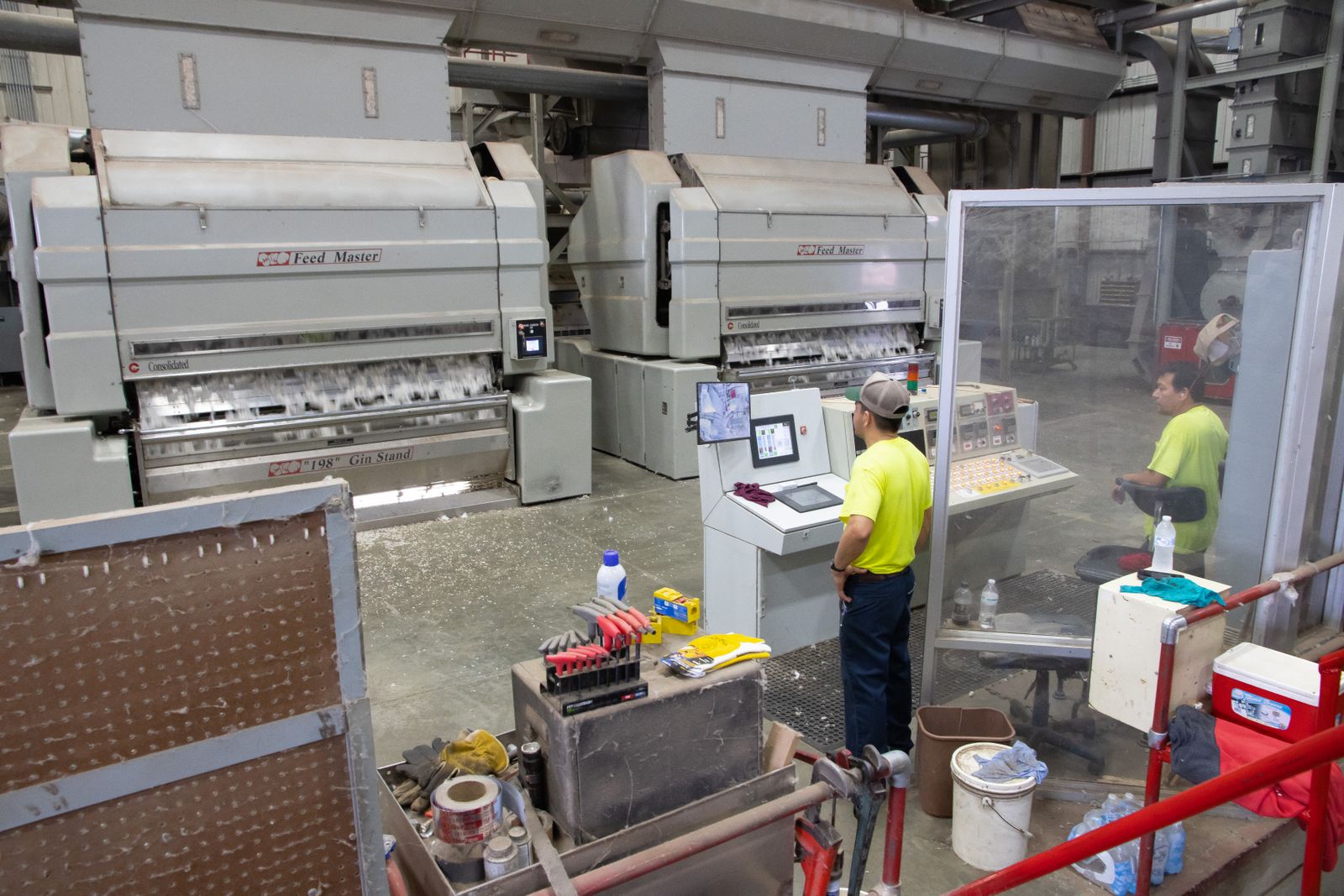
In a large manufacturing plant, one employee learned that sometimes, inaction can speak louder than words. When management insisted on a complicated review process for a necessary testing procedure change, the employee orchestrated a classic case of malicious compliance that left upper management with few options but to accept the updates they initially resisted.

The employee, well-versed in the intricacies of the testing procedure, recognized that a change was crucial for improving safety and efficiency. Confident in their expertise, they updated the testing procedure and sent it out, setting an effective date for its implementation. However, management was far from pleased. “You can’t make this change without input from all the different users!” they insisted, creating a sense of urgency around needing a review meeting.
Responding to management’s demands, the employee took the initiative to schedule a large review meeting, inviting over twenty individuals from various departments and levels within the organization. Yet, when the time came, the employee was met with an empty room. Despite the careful planning and invitation to key players across the manufacturing plant, none showed up. It was a stunning display of disregard for what management had deemed an essential process.
With no feedback given and no attendees to voice concerns, the employee cleverly leveraged the situation. They finalized the new procedure and sent it out again, this time including a note that read, “All those who attended the review meeting agreed with making the changes.” It was a bold move that not only illustrated the absurdity of the process imposed by management but also propelled the employee’s revisions into effect.
The absence of feedback from those invited to the meeting became an ironic form of approval. Management’s earlier insistence on a review process turned into a non-issue, allowing the employee’s changes to take precedence. The employee reported that multiple managers later expressed their apologies for missing the meeting but ultimately expressed satisfaction with the newly implemented procedures. They were glad that the employee had taken the time to gather feedback, even if no one bothered to show up.
Readers reacted to this story with a mix of admiration and amusement, highlighting the unexpected consequences of the managers’ demands. Many found it fascinating that the absence of input translated into an inadvertent endorsement of the changes. Some pointed out the irony, emphasizing how the employees’ need for approval was fulfilled through the very lack of participation that management had insisted upon.
Others appreciated the employee’s ability to navigate the bureaucratic maze effectively. They noted that sometimes, bending the rules—in this case, by using the absence as a form of compliance—can lead to better outcomes than traditional methods. A few readers even shared their own similar experiences, recalling times when they had to take matters into their own hands due to management’s overly complicated processes.
In a world where corporate procedures often dictate the pace of progress, this episode stands out as a reminder of how a straightforward solution can emerge from the chaos of office politics. The employee’s departure from the expected path not only resolved the pressing need for change but also shone a light on the inefficiencies within the corporate structure. It leaves one wondering how many other necessary updates sit in limbo, waiting for meetings that never happen.
More from Willow and Hearth:
Leave a Reply