A “price reduced” sign can make a buyer’s heart jump. A mortgage lender says that excitement can be expensive. In a pointed warning to home shoppers, @thehelpfullender urged people not to buy a home in this market unless they understand two things, because, as he puts it, missing them “could cost you tens of thousands of dollars. And I see it happening over and over again.”
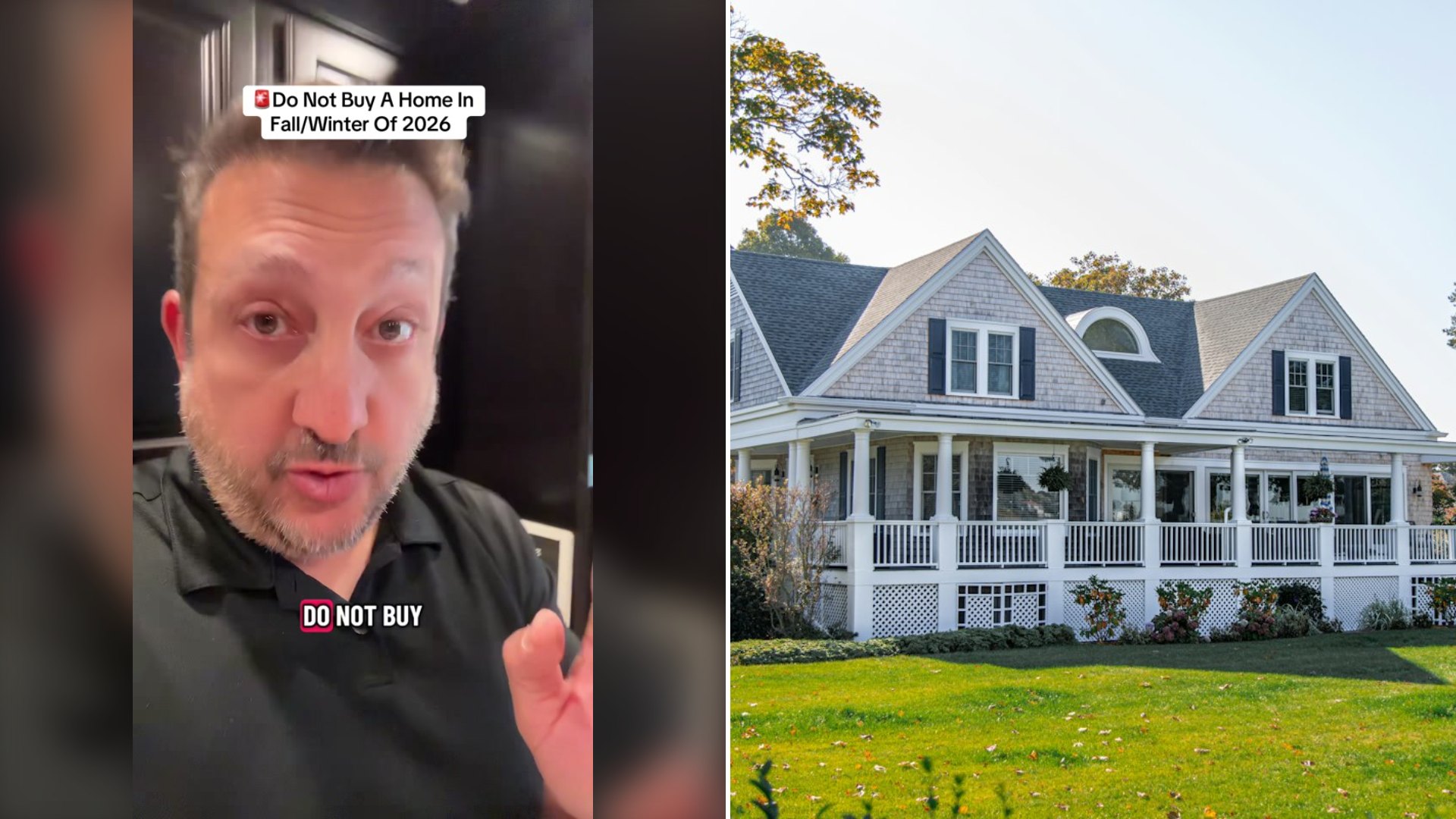
His caption is even more blunt, warning against buying a home in the fall and winter of 2026. But in the video itself, his message is not “never buy.” It is “buy smart.”
Lesson One: A Price Cut Is Not the Same as a Deal
The first thing he wants buyers to understand is what a price reduction really means. Listings often advertise cuts of $10,000, $20,000, $30,000 or $40,000. Some agents even call it a “price improvement.” But that drop, he says, “doesn’t mean you’re getting a deal.”
The reason is simple. A seller may be lowering the price from a number that was too high to begin with. “They could be lowering the price based off of a way over inflated value, and I’m seeing that all the time,” he says.
What actually matters, he explains, is comparable sales, and recent ones. “The true value of that property are based off of the comparables, and listen carefully, based off of recent comparables,” he says. A home that sold a year ago is “not even relevant anymore in this market,” in his view.
His advice is to base your offer on what the home is truly worth and its condition, “especially the condition.”
Lesson Two: Make the Seller Share the Risk
His second point is about where buyers focus their negotiating power. He says that getting money from the seller is “vital” right now, and that sellers “should be sharing in the risk.”
That matters most for first-time buyers putting little or no money down, who, he notes, start out with little or no equity. Instead of only haggling over the price and the condition of the home, he suggests a different approach. He still recommends getting an inspection, but he says to tell the seller you love the home and ask directly for help, since rates are “in the sevens right now.” His suggested pitch boils down to one question: what can you do to help me out?
@thehelpfullender
When buyers ask a seller for help in this way, they are usually asking for seller concessions, also called seller credits. Instead of lowering the price, the seller agrees to pay some of the buyer’s costs at closing. That money can cover things such as:
Closing costs, including lender fees, title charges and prepaid items like taxes and insurance, which commonly add up to thousands of dollars.
A rate buydown, where the seller pays upfront to lower the buyer’s interest rate, either permanently or for the first year or two. With rates elevated, a lower rate can save more over time than a modest price cut.
Repairs flagged during the inspection, handled as a credit rather than work the seller has to complete.
There are limits on how much a seller can contribute, and they depend on the loan type and down payment. For conventional loans, the cap is generally 3 percent of the price with less than 10 percent down, rising with larger down payments. FHA loans generally allow up to 6 percent, and VA loans set their own limits on certain concessions. Your lender can tell you the exact cap for your loan.
Timing matters too. Concessions are easiest to win on homes that have sat on the market, had price cuts, or need work. Your agent should write the request into the original offer rather than raising it after the contract is signed, when the seller has less reason to agree.
Smart Moves for Buyers and Families Helping Them
Many grandparents and parents are helping younger relatives buy their first homes right now. These steps can protect everyone.
Ask for the comps. Have the buyer’s agent pull sales of similar homes nearby from the last few months, not just the past year. Compare square footage, condition and updates.
Look at the listing history. A string of price cuts can mean the home started too high, has a problem, or simply sat. Ask the agent why it has not sold.
Never skip the inspection. As the lender stressed, condition is a big part of value. An inspection can reveal expensive issues and gives the buyer room to negotiate.
Compare price cuts and credits side by side. Ask your lender to run both scenarios. A smaller price cut plus a seller credit toward a rate buydown may lower the monthly payment more than a larger price reduction alone.
Keep a cushion. Buyers who put little down should still keep emergency savings after closing. New homeowners face repairs, rising insurance and property taxes.
Think long term. With little equity, selling within a few years can mean paying to leave once agent fees and closing costs are counted. Plan to stay long enough for the purchase to make sense.
His bottom line is clear. A big discount on paper is not the win it seems, and in a market like this one, a buyer’s best move may be asking the seller to pitch in.
More From Willow and Hearth
- Inspector Says He Could Pull Loose Bricks Right Off the Sill of a New Build Then Asks What You Think of a Kitchen in a Closed Off Far Corner
- Handyman Shuts Down His Business After Five Years and Hundreds of Jobs and Shares What He Learned
- Pulte New Construction Inspection Shows a Very Different Experience Than the Inspector Expected
Leave a Reply