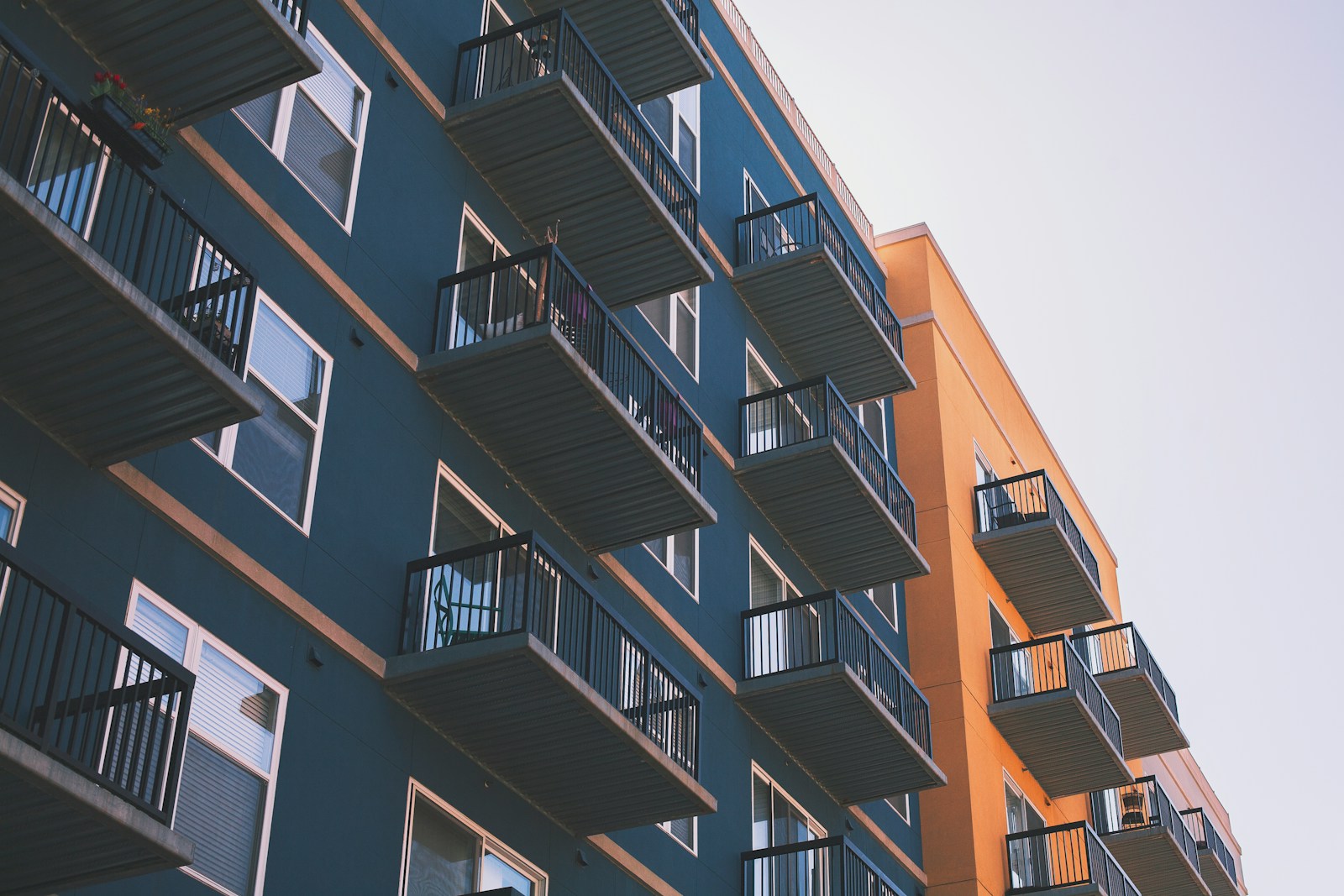
Ninety-one percent. That’s the share of Utah renters who now cannot afford the mortgage on a median-priced home in their own state, according to a new report from the University of Utah’s Kem C. Gardner Policy Institute, and it means the math of “someday I’ll buy a place” has stopped working for nearly everyone still paying a landlord. The typical Utah home now sells for $520,000, up from $500,000 a year ago, and the monthly mortgage payment that comes with it runs about $3,669, according to Utah News Dispatch’s reporting on the study. The median renter in the state earns roughly $64,000 a year. Buying that median home comfortably would take closer to $147,000.
Those aren’t the numbers renters usually get first, either. What they get is a rent notice, a Zillow alert on a house that sold two blocks over, and the slow realization that the plan they had, work a few more years, save a down payment, buy something modest, no longer connects to the world they’re actually living in. Utah’s homeownership rate is still relatively high at 68.3%, ahead of the national average of 65.3%, according to the same report. But that number describes people who already own. For everyone renting behind them, the door is closing faster than it opened for the generation before.
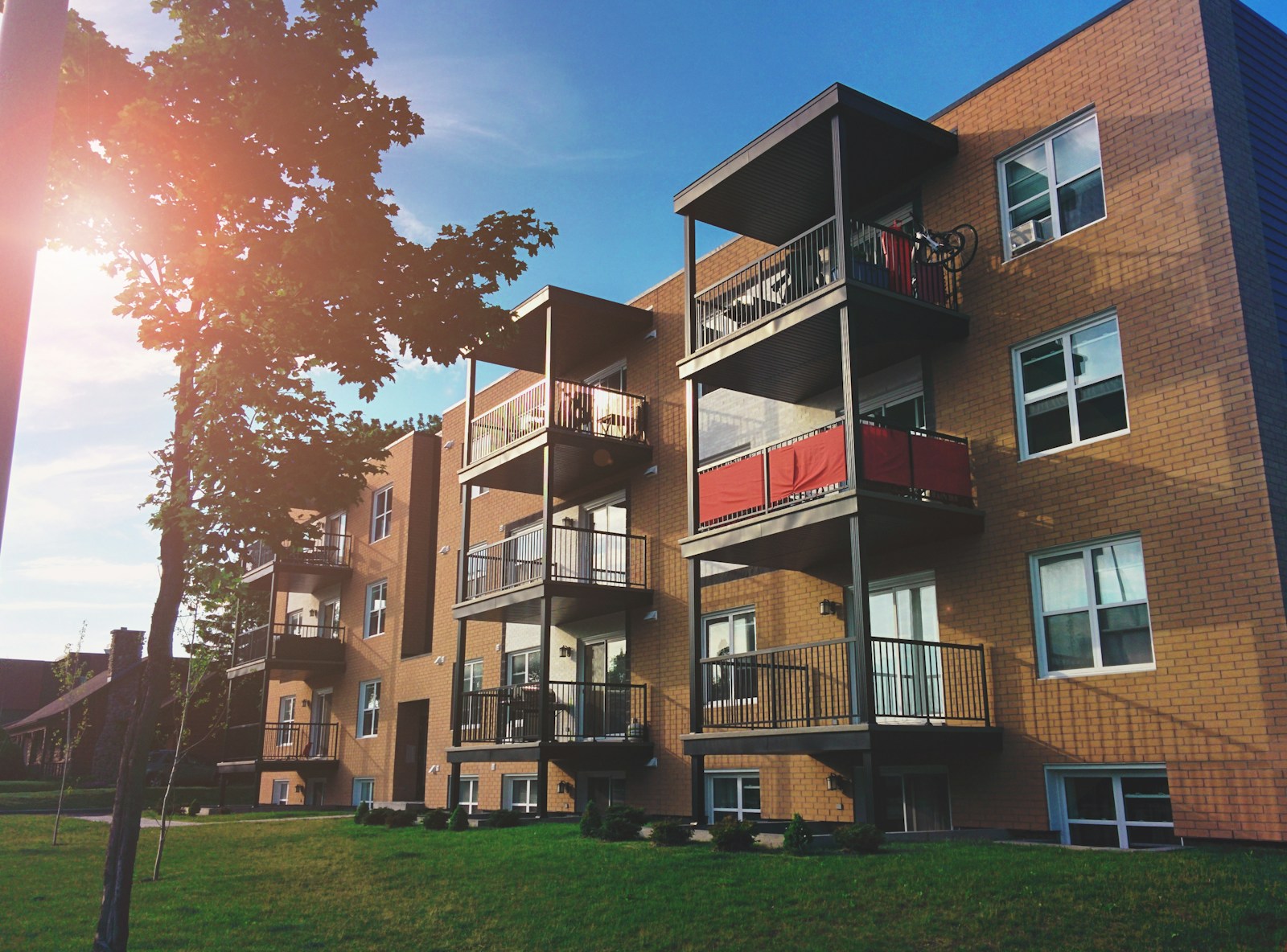
It gets sharper the closer you get to the mountains
Statewide numbers actually undersell how bad it is in some counties. In Summit County, home to Park City, 97% of renters are priced out of the median home there, which now costs $2.2 million, according to KPCW’s reporting on the Gardner Institute data. Buying at that median price with a standard 10% down payment would take an annual income of $427,000, in a county where the median household actually earns $138,114. Next door in Wasatch County, it’s 99% of renters shut out, against a $1.2 million median home price.
Those are resort-adjacent markets warped by second-home buyers and short-term rental demand, so they’re not representative of the whole state. But they show what happens when the statewide trend keeps compounding: a gap that’s already brutal in Salt Lake City becomes close to absolute an hour up the canyon.
The state everyone was pointing to as the answer
What makes this particular report sting is that Utah has spent the last several years being held up nationally as the state doing housing right, permitting more units per capita than most of its peers and avoiding the worst of the 2008 crash. And in fairness, the Gardner Institute report does show real stabilization: average mortgage payments statewide rose only modestly this year after more than doubling between 2016 and 2022, and the number of underwater Utah homeowners has fallen from roughly 60,000 in 2013 to about 600 today. Utah’s own first-time homebuyer program now offers up to $20,000 toward a down payment or rate buydown on newly built homes priced at $450,000 or less.
Researchers involved in the report point to a structural mismatch as much as a price problem: Utah has some of the largest average home sizes in the country, a legacy of building for big families, at a moment when the typical household is shrinking, from just under 2.9 people today toward a projected 2.6 within a decade. That shrinkage alone is expected to push housing demand up by roughly 11%, even if the state’s population barely grows, because smaller households simply need more separate units to live in. Steve Waldrip, the governor’s senior housing adviser, has pointed to a widening generational gap in ownership as a threat to the kinds of stability that homeownership has traditionally underwritten, from civic participation to family formation. The state projects it will need 280,000 additional housing units by 2035 just to keep pace.
None of that shows up on a lease renewal notice. What shows up is a choice: stay in Utah and rent indefinitely, double up with roommates or family well past the age that used to feel normal, or look at states where the math still pencils out. For a growing share of Utah renters, the decision isn’t really about a house anymore. It’s about whether the whole idea of settling down here, on this kind of timeline, still makes sense at all.
Leave a Reply