You stand in the paint aisle, fall in love with a little rectangle of soft greige, and tell yourself it will look gorgeous on the living room walls. A few hours and a few hundred dollars later, the walls are up, the furniture is back in place, and the room looks nothing like that tiny card. It is too yellow in the morning, too gray at night, and somehow a little purple next to the sofa. Sound familiar? Paint color regret is one of the most common home improvement letdowns, and almost every case traces back to the same three shortcuts.
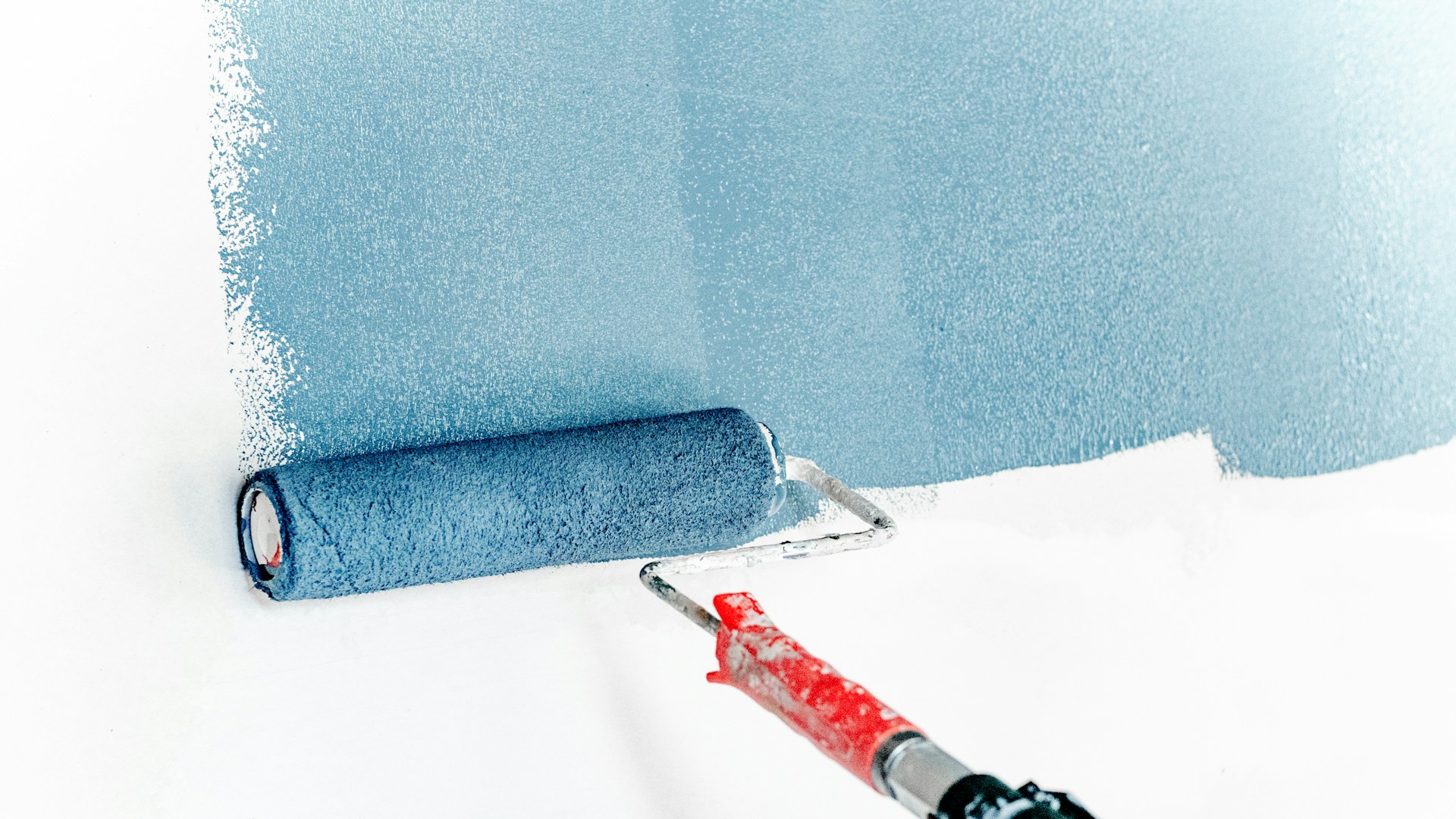
The good news is that each one is cheap and easy to avoid. Here is where homeowners go wrong, and what to do instead before you commit to a whole gallon.
Mistake One: Skipping The Sample Patch
A paint chip is printed on paper, under store lighting, about the size of a playing card. Your wall is a big surface in a real room with real shadows. Those two things almost never look the same. Colors tend to read stronger and sometimes darker once they cover a whole wall, and a shade that felt calm on a card can feel loud when it surrounds you.
The fix is to test the actual color on the actual wall. Buy a small sample pot and paint a patch that is large, at least a couple of feet square, or better yet paint a big piece of poster board or a spare scrap of drywall and tape it up. A big sample lets you see the color the way it will really live in the room, instead of squinting at a postage stamp. If you are deciding between two or three colors, put each one on its own patch, and leave some space between them so they do not bleed into each other visually.
Mistake Two: Ignoring The Lighting
Light changes everything about paint. A room with big south-facing windows gets warm, strong light for much of the day, while a north-facing room tends to look cooler and more muted. Overhead bulbs matter too. Warm bulbs pull colors toward yellow, and cooler daylight-style bulbs push them toward blue. The same paint can look like a completely different color from one room to the next, and from one hour to the next in the same room.
So do not judge your sample once and call it a day. Look at it in the morning, at midday, in the late afternoon, and in the evening with your lamps on. Check it on different walls, since a wall that faces a window and a wall that sits across from it will not match. Look at it beside your flooring, your curtains, your trim, and the biggest pieces of furniture, because paint never lives alone. If a color still makes you smile at every one of those times of day, you have probably found a winner. If it only looks good at noon, keep looking.
Mistake Three: Buying The Whole Gallon First
Buying in bulk feels thrifty. It is not thrifty when the paint does not work. A gallon you hate is a gallon you either live with for years or pay to cover up, and covering up often means primer, extra coats, and another weekend of work. Many stores sell small sample sizes for a fraction of the cost of a full can, and a sample pot is a very small price to pay to avoid a very big mistake.
Hold off on the big purchase until your test patches have passed the full day test. Then buy what you need for the job, and ask the paint counter about the finish too. Flat, eggshell, satin, and semi-gloss all reflect light differently, so the same color in a different finish can look a little different on the wall. Matching the finish to the room matters, whether that is a forgiving matte for a living room or something easier to wipe down for a kitchen or bathroom.
A Simple Routine Before You Commit
- Pick two or three favorite colors, not ten.
- Paint large sample patches, or tape up big painted boards, on more than one wall.
- Check them in morning light, afternoon light, and evening lamp light.
- Look at them next to your floors, trim, and furniture.
- Live with them for a few days before you decide.
That last step is the one people skip the most, and it may be the most valuable. Your first reaction to a color is not always your lasting reaction. A shade you were excited about on day one can start to feel off by day three, and a color you almost passed over can grow on you quickly. A few patient days costs you nothing.
What To Do If You Already Painted The Wrong Color
It happens to the best of us. If the color is not working, do not panic and do not rush straight back to the store. Give it a couple of weeks, because rooms often look different once the furniture, rugs, and artwork are back in place. If you still dislike it, the repaint is manageable. A stain-blocking or tinted primer can help a new color cover a dark or bold one in fewer coats, and good prep makes the second job go much smoother than the first.
And next time, remember the order: sample first, light second, gallon last. Following that order is a small habit that keeps a lot of homeowners from paying for the same wall twice.
More Stories You May Like
- New York Renter Says Her Ceiling Has Leaked Every Day and When Someone Finally Came at 6 AM He Insisted There Was No Mold
- Homeowner Fined by His HOA Over a Tree on His Porch Starts Digging and Finds the HOA Has Not Filed with the State in Four Years
- Brooklyn Woman Says Just 10 Days After Her Mother Died the Landlord Changed the Locks on Her 45 Year Home With Her Two Cats Inside
Leave a Reply