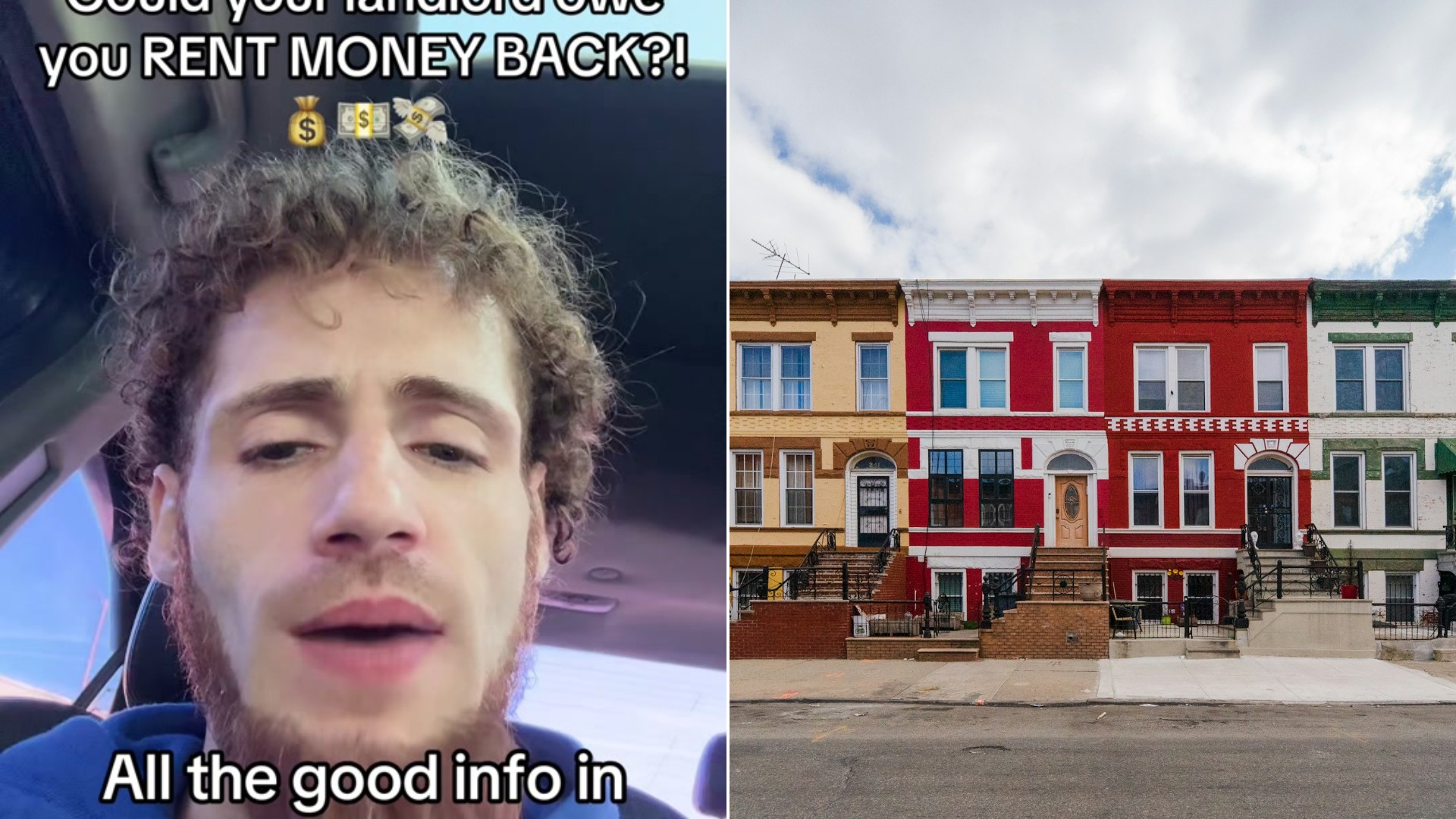
If you rent in Philadelphia, one piece of paper could matter more than your lease. According to @geofixit215, a law passed on November 1st means a landlord without a current rental license could owe tenants back rent.
The creator also says renters may be able to escrow their payments in that situation, which means paying the rent into a protected account rather than to the landlord.
@geofixit215
A Law Passed November 1st Changes The Math For Renters
The creator describes the new rules as part of Philadelphia’s Safe Healthy Homes Act. The point, as presented, is that a landlord who does not hold a current license may be exposed to claims from the people living in the property.
For tenants, that is a rare piece of leverage. Many renters assume they have no say when a unit has problems, and a licensing requirement gives them something concrete to point to.
Back Rent Could Be On The Table
The idea behind back rent is that a landlord who rents a unit without the required license should not collect payment as if everything were in order. Renters who have been paying for months or years may want to find out whether they have a claim.
Whether any particular tenant can recover money depends on the facts of their situation. That is why the creator points renters toward a landlord and tenant attorney rather than promising a check in the mail.
Escrow Lets Renters Pay Without Paying The Landlord
Escrow means rent is held by a third party, such as a court or an approved account, instead of going to the landlord. It protects a tenant who wants to keep paying so they cannot be accused of skipping rent while a dispute is sorted out.
Handled correctly, it also pressures a landlord to get the property into compliance. Handled incorrectly, withholding rent on your own can backfire, so the steps should be followed exactly.
How To Check Whether Your Landlord Is Licensed
Philadelphia keeps property records and licensing information that the public can search, usually by address through the city’s online property tools. You can look up the rental license status for your building and see whether there are open violations.
Write down the address, the owner name on the record and the date you checked. Take screenshots, since a clear paper trail is the foundation of any tenant claim.
Steps To Take If The License Is Missing Or Expired
Do not stop paying rent without advice. Talk to a lawyer or a tenant rights group first, since the order in which things are done can decide whether you are protected.
- Gather your lease, proof of rent payments and any messages with the landlord.
- Save screenshots of the license and violation search for your address.
- Contact a landlord and tenant attorney or a free legal aid service in the city.
- Put repair requests and complaints in writing and keep copies.
Free Legal Help Exists For Renters
The creator notes that free legal help links are available. Philadelphia has legal aid organizations and tenant hotlines that advise renters on rights and the court process, often at no cost for people who qualify.
Call early. Housing court moves quickly, and tenants who get advice before a notice or a hearing are much better prepared than those who wait.
Keep Paying Rent Until You Get Advice
One of the biggest mistakes tenants make is stopping payment on their own. A missed payment can lead to a late fee, a court filing or a mark on a rental record before any protection applies.
If you want to use escrow, ask an attorney or legal aid office exactly how it works in your city. The steps, the deadlines and the proof you need all matter.
What Landlords Should Take From This
Small landlords sometimes let a license lapse by accident. Renewing on time, passing required inspections and keeping records protects the owner as much as the renter.
A good relationship with tenants also helps. Prompt repairs and clear communication head off a lot of disputes before anyone calls a lawyer.
Rules Differ From City To City
If you live outside Philadelphia, the same general idea may still apply in your town. Many cities require rental licenses or registrations, and the penalties for ignoring them vary.
Search for your city’s rental licensing page or call the housing office and ask what happens when a landlord is unlicensed. The answer could be worth real money.
Tell Your Neighbors Too
If one unit in a building has a licensing problem, others may too. Sharing information with neighbors can help everyone find out where they stand and get advice at the same time.
Know Your Rights Before You Need Them
Most renters never read their local housing laws until there is trouble. Spending ten minutes now to check your landlord’s status can turn vague worry into a clear plan.
Laws change, and this one is new, so rely on current information from the city or an attorney for the exact rules. The core message from the creator is simple, which is to check the license, document everything and get help.
More Stories You May Like
- Dad Cleans His Dryer Vent In Under 45 Minutes, And His Best Hack Is Taping A Large Ziploc Bag To The End Of A Leaf Blower
- Homeowners Say A Charismatic Renovator Collected Big Deposits, Gutted Their Homes To The Studs And Left Subcontractors Unpaid, And Court Records Show Nearly 70 Lawsuits Even After The State Suspended His Registration
- Family Learns Three Years Late About Code Fines Mailed To Their Late Grandmother’s Old Address, Then A $9,000 Settlement Collapses When A Buyer Backs Out And The Fine Jumps Back To $50,000
Leave a Reply