Some stories are quiet and still hit hard. Shelter volunteer @iguanaluana shared the moment Raiden, an 8 year old dog with impaired vision, was finally adopted, and the creator could not hold back tears. For anyone who has spent time around animals waiting for homes, it is the kind of ending volunteers hope for every day.
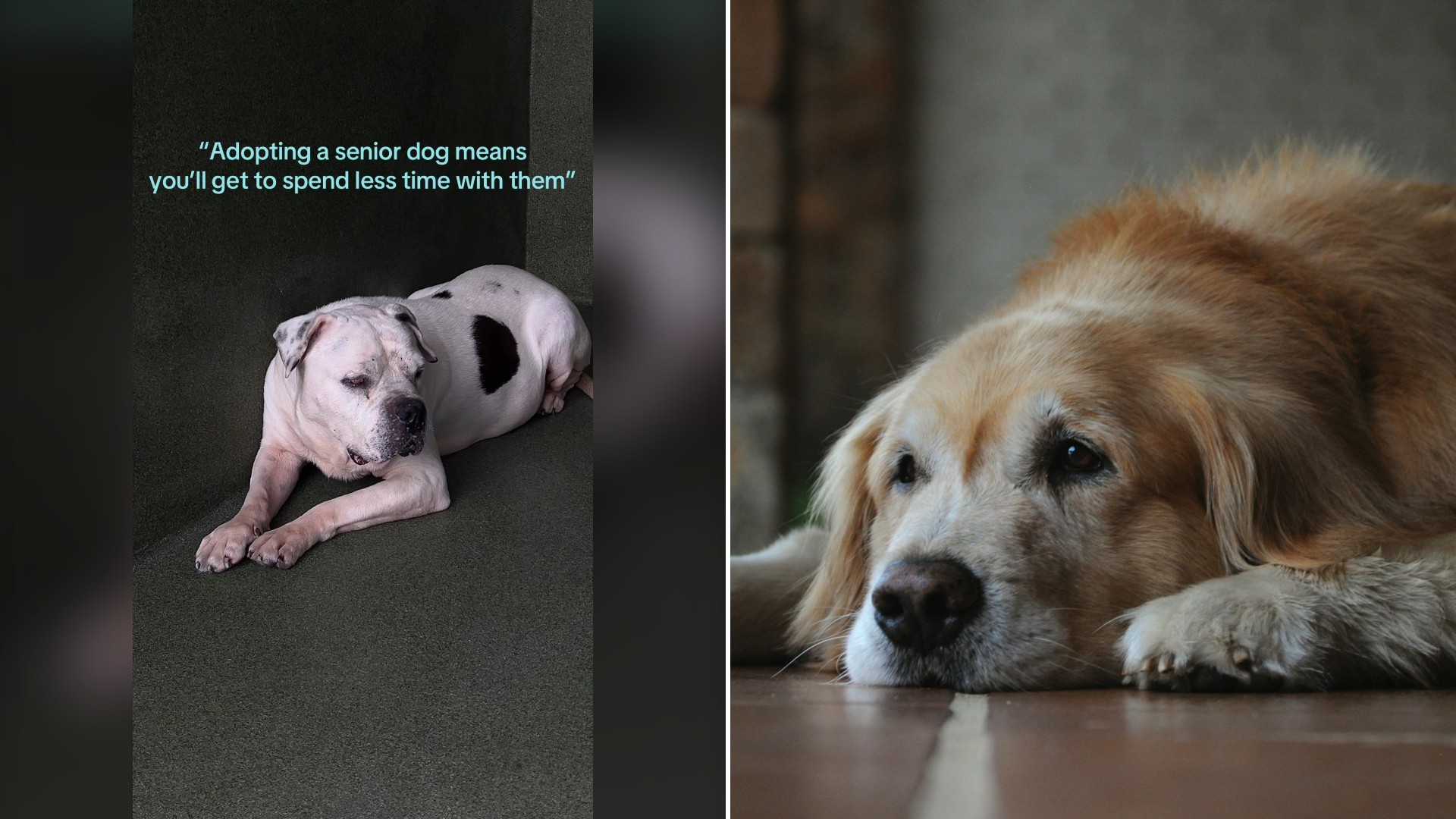
Senior dogs and dogs with special needs often wait longer than puppies, which makes this adoption feel especially sweet. Here is a closer look at why dogs like Raiden are such wonderful companions, what to know before adopting one, and how to help animals in your community whether or not you can bring one home.
@iguanaluana
A Happy Ending for Raiden
The creator shared that Raiden is 8 years old and has limited vision, and that adoption day was an emotional one for her as a volunteer. Volunteers often walk, feed and comfort animals for weeks or months, so seeing one leave for a family of their own can bring happy tears.
Raiden’s story is a reminder that age and vision do not define a dog’s ability to love or be loved. Every adoption day is a win, and the wins that come after a long wait mean the most. Older dogs are often overlooked in a row of kennels, so a family choosing one with extra needs says a lot about patience and heart.
Why Senior Dogs Make Great Companions
Many senior dogs arrive at shelters already house trained and past the chewing stage. Their personalities are fully formed, so what you see is largely what you get. They tend to be content with calm routines, gentle walks and a warm spot on the couch, which suits many households.
Adopting an older dog also means skipping the sleepless nights and constant supervision that come with a puppy. Shelter staff can often tell you how a particular dog behaves around children, other pets and visitors, which makes finding a good match easier.
Living With a Dog Who Has Low Vision
Dogs with limited sight often adapt remarkably well because they rely heavily on smell, hearing and routine. Many owners find that their dog learns the layout of the home quickly. A few simple habits help the process along.
Keep furniture in the same places, and avoid rearranging rooms after the dog has settled in. Use baby gates to block stairs until the dog knows the space. Talk softly as you approach so you do not startle the dog, and use consistent words for commands. Some families add scent markers or textured mats near doorways and food bowls to act as landmarks. A veterinarian can advise on any health needs that come with age or eyesight.
Preparing Your Home for a Senior Dog
Plan a quiet first week. Give the new arrival a comfortable bed away from foot traffic and keep feeding and walk times steady. Older dogs can have achy joints, so a supportive bed and traction on slick floors, such as rugs or runners, can make life easier.
Schedule a checkup soon after adoption so your vet can establish a baseline and talk through diet, dental care and any needed screenings. Ask the shelter for any medical records they have, and ask about medications or special diets so you can continue them without a gap.
Expect an adjustment period. Some dogs are shy at first, and a dog who cannot see well may need extra time to trust a new space. Let the dog set the pace, offer treats and praise for small steps, and resist the urge to introduce too many visitors at once. Most families find that the bond grows steadily with calm, consistent care.
How Volunteers Make Adoptions Happen
Behind many adoption days is a volunteer who took the time to learn a dog’s quirks and shared them with future families. Shelters usually welcome help with walking dogs, cleaning kennels, socializing animals and photographing pets for adoption listings. If you cannot adopt, you can foster, donate supplies, or simply share an adoptable pet’s story with friends. Check with your local shelter to learn what they need and what training they provide.
Tips for Adopting an Older or Special Needs Dog
If Raiden’s story has you thinking about opening your home, these steps can help you prepare.
- Ask shelter staff about the dog’s habits, health and energy level.
- Meet the dog more than once before deciding, and bring the whole household.
- Dog proof your home by clearing floors and blocking stairs.
- Schedule a veterinary visit within the first couple of weeks.
- Keep routines for meals, walks and bedtime steady.
- Be patient, since it can take weeks for a new dog to feel settled.
- Budget for the occasional extra vet visit that comes with age.
Every Dog Deserves a Home
Raiden’s adoption gave one volunteer a reason to cry happy tears, and it gives the rest of us a reason to look twice at the older dogs waiting in kennels. They may not be the first to catch a visitor’s eye, but they have plenty of love left to give.
Whether you adopt, foster or simply lend a hand, you can make a real difference in a dog’s life. Stop by your local shelter, ask about the animals who have waited longest, and you may find your own Raiden.
Leave a Reply