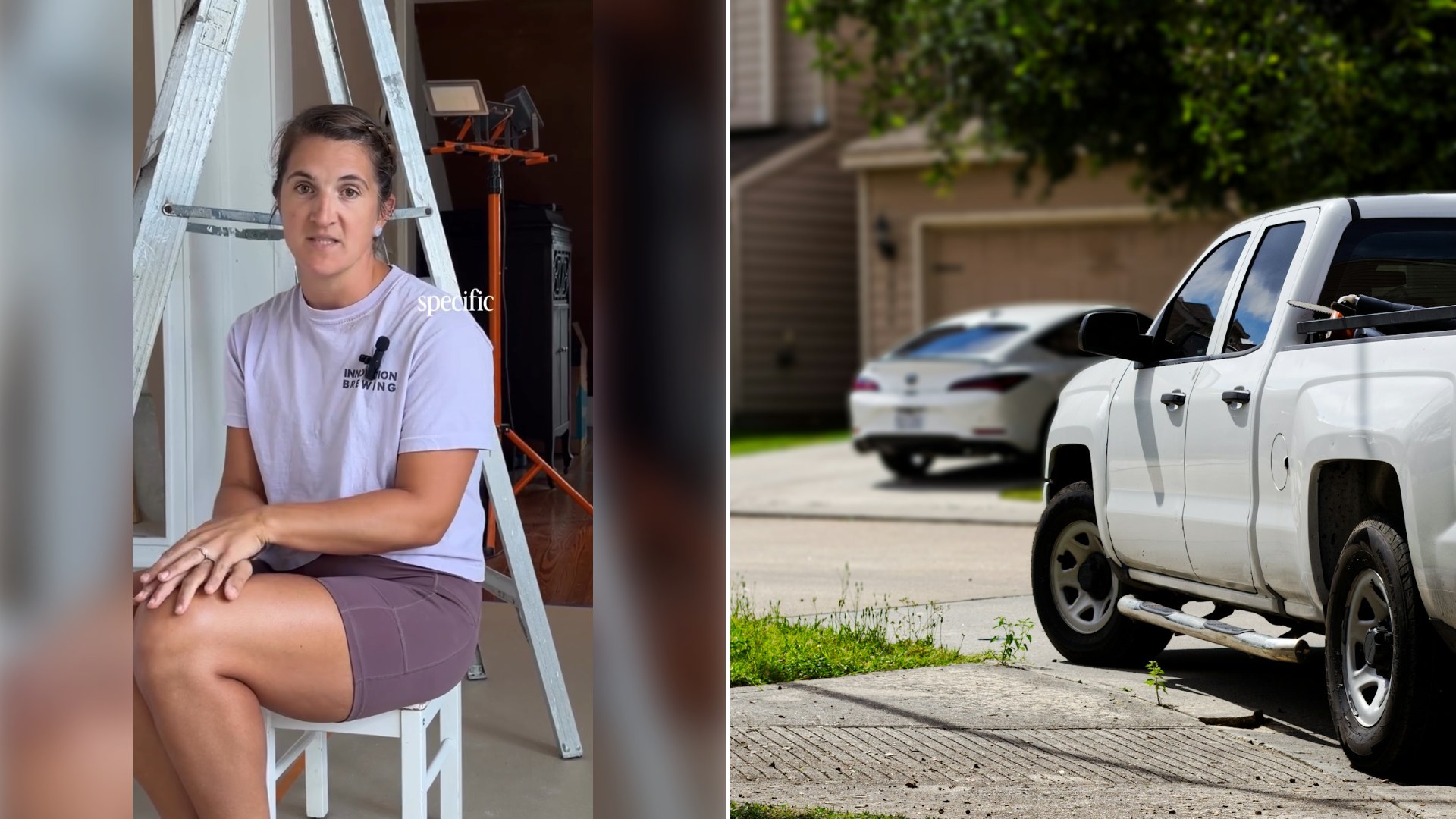
HOA disputes have become one of the most reliable sources of genuine homeowner frustration on social media, and @nancydabbles documents a particularly pointed version of it in an Instagram post detailing his fight after his homeowners association began placing towing warnings on work vans parked at his own home and his neighbors’ driveways.
For a small business owner, a work van isn’t a luxury or an eyesore, it’s essential equipment, the literal vehicle of a livelihood, which makes an HOA threatening to tow it over a parking technicality feel less like an aesthetic preference being enforced and more like a direct threat to someone’s ability to earn a living.
This kind of dispute captures a genuine blind spot in a lot of HOA governance, rules often written with a specific, idealized homeowner in mind, someone commuting in a standard sedan, that simply don’t account for the reality of tradespeople, contractors, and small business owners who need larger vehicles parked at home between jobs.
There is a real new-homeowner lesson embedded in this story too, since HOA restrictions on vehicle type and parking are exactly the kind of fine print that rarely gets fully absorbed during a home purchase, surfacing only once a homeowner’s actual daily life collides with rules written years earlier by a board with different assumptions.
The decision to document and publicize this fight rather than quietly comply or quietly fume reflects a broader shift in how homeowners engage with HOA authority, treating these disputes as worth a public record rather than private frustration absorbed and forgotten.
Small business owners in particular occupy an underappreciated category of homeowner whose needs often clash directly with HOA aesthetics, since the same vehicle that represents independence and livelihood to its owner can read, to an HOA board focused purely on uniform curb appeal, as simply another rule violation to flag.
There is a broader economic undercurrent here worth noting as well, the reality that a growing number of people run small businesses, trades, services, deliveries, out of their own homes, a trend that HOA governance structures, often decades old in their underlying assumptions, have been slow to accommodate.
Comment sections on this kind of post reliably fill with fellow small business owners and tradespeople sharing their own HOA battles over work vehicles, ladders, equipment trailers, and signage, suggesting this is a far more widespread tension than any single dispute would suggest on its own.
This video also does useful work surfacing a conversation that HOA boards themselves rarely have to confront publicly, since most residents simply absorb a towing notice quietly rather than documenting and sharing their frustration with an audience large enough to generate real scrutiny.
There’s a reason this kind of content resonates even among people with no small business of their own, since nearly everyone who has lived under an HOA has encountered at least one rule that felt disconnected from how people actually live, regardless of the specific vehicle or violation involved.
The willingness to publicly name the conflict also puts a kind of pressure on HOA boards that private complaints rarely achieve, since a board facing public scrutiny over towing a neighbor’s work van has a different set of incentives than one handling the same dispute entirely behind closed doors.
It’s worth noting, too, how this kind of dispute reveals the uneven power dynamic baked into HOA governance generally, where a volunteer board can impose real financial consequences, towing fees, fines, on residents who often have very little practical recourse beyond public pressure or costly legal action.
There is a reasonable case to be made that HOA guidelines need periodic review specifically to account for how residents actually live and work now, rather than freezing in place the assumptions of whoever originally wrote them, often long before remote work and home-based businesses became as common as they are today.
For small business owners watching this story unfold, it offers a useful, if frustrating, preview of a conflict they may eventually face themselves, and a reminder to review HOA vehicle and parking rules carefully before assuming a work van will be treated the same as any other car in the driveway.
There’s also a reminder here about the limits of HOA enforcement discretion, since a board willing to tow vehicles essential to someone’s livelihood, rather than working out a reasonable accommodation first, risks alienating exactly the kind of engaged, invested homeowners most communities actually want to keep.
Disputes like this one tend to escalate specifically because the first ask, a conversation, a request for an exception, often goes nowhere, which is part of why public documentation becomes the next logical step for homeowners who feel unheard through normal channels.
For anyone shopping for a home while running a business that requires specialized vehicles, this story is a useful prompt to review an HOA’s governing documents in detail before closing, rather than discovering the relevant restriction only after it’s already become a costly problem.
There’s also a reminder here that HOA boards operate with real but limited authority, and homeowners who understand exactly where that authority starts and stops are far better positioned to push back effectively when a rule gets applied unreasonably.
This kind of public pressure campaign, however small in scale, also serves as a template other residents facing similar disputes can study and adapt, turning one homeowner’s frustration into a genuinely useful resource for an entire community.
In the end, this story resonates because it puts a human face, and a real livelihood, behind an HOA rule that might otherwise read as a minor technicality, a reminder that the fine print homeowners skim past at closing can eventually become the center of a genuinely consequential dispute.
Leave a Reply