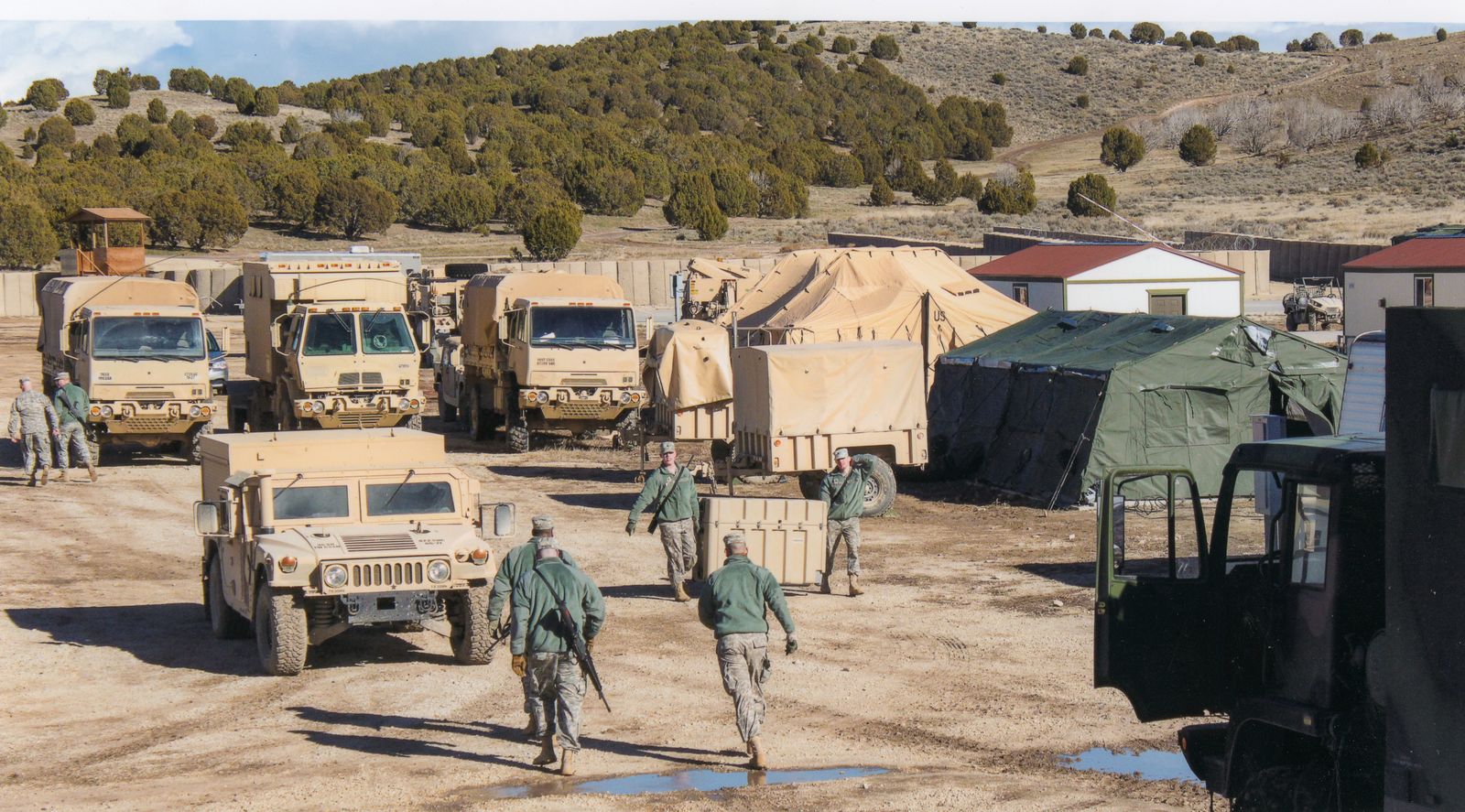
In a bizarre turn of events, a group of soldiers stationed at a Spanish airbase during an international military exercise found themselves tangled in a web of absurd vehicle registration rules. The increasingly convoluted regulations prompted a clever—and chaotic—response from the troops, who transformed the base’s guard office into a bustling registration conveyor belt until the authorities cracked under the pressure.
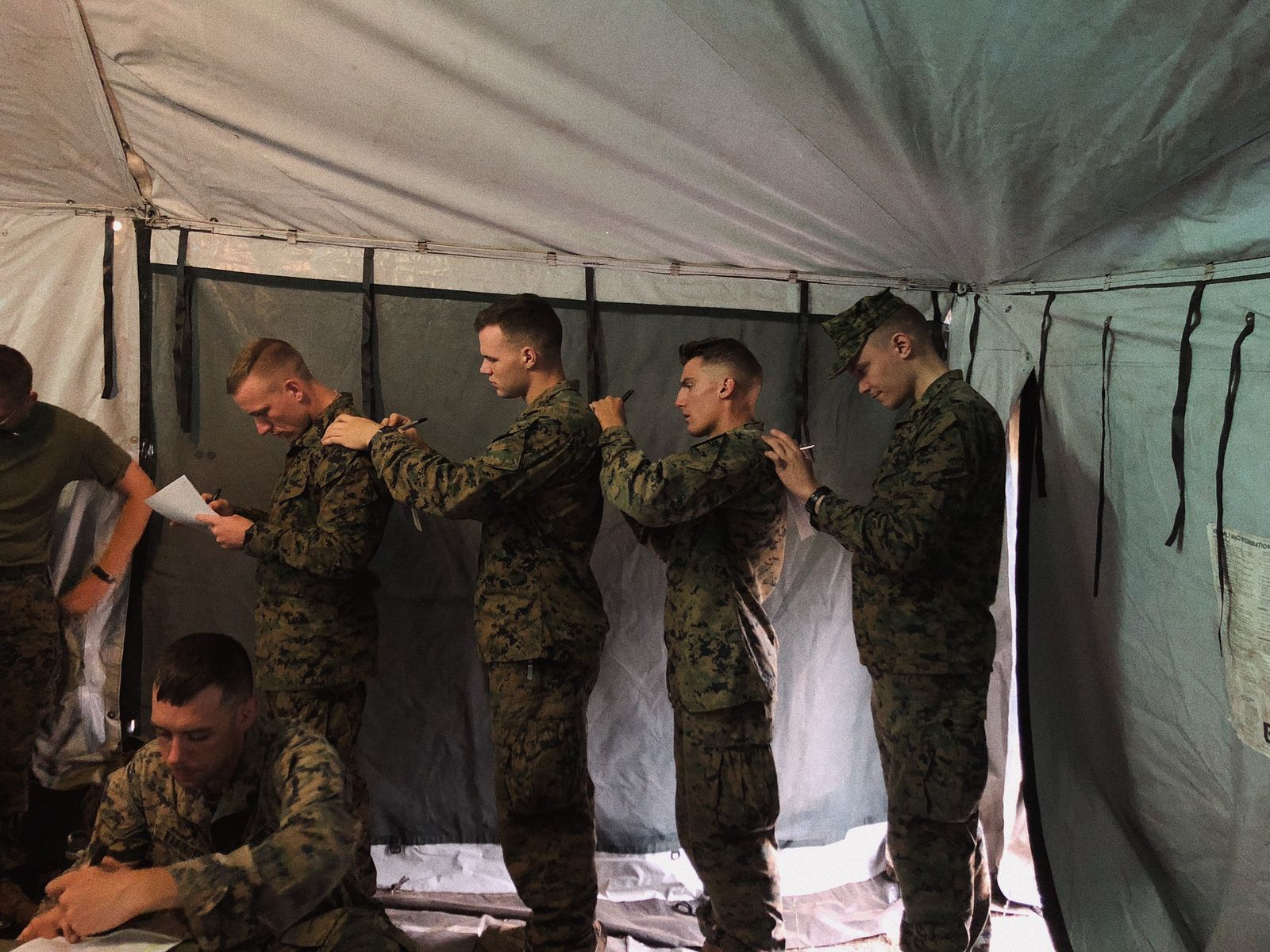
The saga began when the poster arrived ahead of a contingent of about 200 personnel and approximately 50 rented vehicles. Initial instructions from the Spanish authorities allowed each soldier to register up to five vehicles under their name. Everything went smoothly in the early days as vehicles were registered and the personnel prepared for the larger group’s arrival. However, the calm was short-lived.
After just two or three days, a new rule emerged: soldiers were now restricted to registering only one vehicle per person. Undeterred, the soldiers quickly adapted, coordinating efforts to transfer excess vehicle registrations among themselves. This workaround lasted about a week until yet another regulation was introduced, further complicating their lives. Cars exiting the base were now required to have the registered owner physically present in the vehicle. This new restriction felt like an arbitrary hurdle, particularly since operational demands often necessitated flexibility in vehicle assignment.
In an attempt to reason with the local authorities, the soldiers explained their situation: with a limited number of vehicles and the need for fluidity based on operational needs, it was impractical to follow the new directive. Despite their efforts, the soldiers were met with a condescending dismissal. The officials advised that if it was truly necessary, the vehicles could easily be re-registered. It was a bureaucratic response that left the troops feeling frustrated and beleaguered.
Realizing they were up against a wall, the soldiers decided to resort to a tactic they fondly termed ‘malicious compliance.’ They instructed every soldier, whenever possible, to drive up to the guard office in pairs and initiate re-registration of the vehicles, either exchanging them among themselves or simply swapping them for the sake of it. What ensued was a flood of registration requests that rapidly overwhelmed the guard office.
Within a mere two days, the guard office was choked with the sheer volume of vehicle registration changes, complicating operations and forcing the officials to process around 50 changes daily. As lines formed and frustrations mounted, the initial rule about needing the registered vehicle owner present began to lose its significance. The soldiers had effectively turned the bureaucratic requirement back on itself, overwhelming the system until officials had no choice but to relent.
Comments from readers highlighted the humor and absurdity of the situation. Many shared in the soldiers’ frustration, noting how ridiculous it was for the authorities to enforce such impractical rules in a military context. Others admired the troops’ ingenuity, suggesting that the clever tactic of flooding the office was a brilliant form of protest against unnecessary red tape.
Although there were no formal resolutions to be found in the comments, many readers expressed admiration for the soldiers’ ability to adapt and make the best of a frustrating situation, calling it a classic example of “working smarter, not harder.” Some shared similar stories of red tape gone wild, resonating with the humor and chaos of the soldiers’ predicament.
This episode at the Spanish airbase stands as a testament to the often absurd nature of bureaucracy, especially in high-pressure environments like the military. Ultimately, the soldiers leveraged their situation with wit, proving that even in the face of unreasonable regulations, they could reclaim some semblance of order—or at least create their own form of chaos.
More from Willow and Hearth:
Leave a Reply