The first cold snap sends us all straight to the thermostat. In Spearfish, South Dakota, the fire department wants you to make one more stop, at the carbon monoxide detector on your wall.
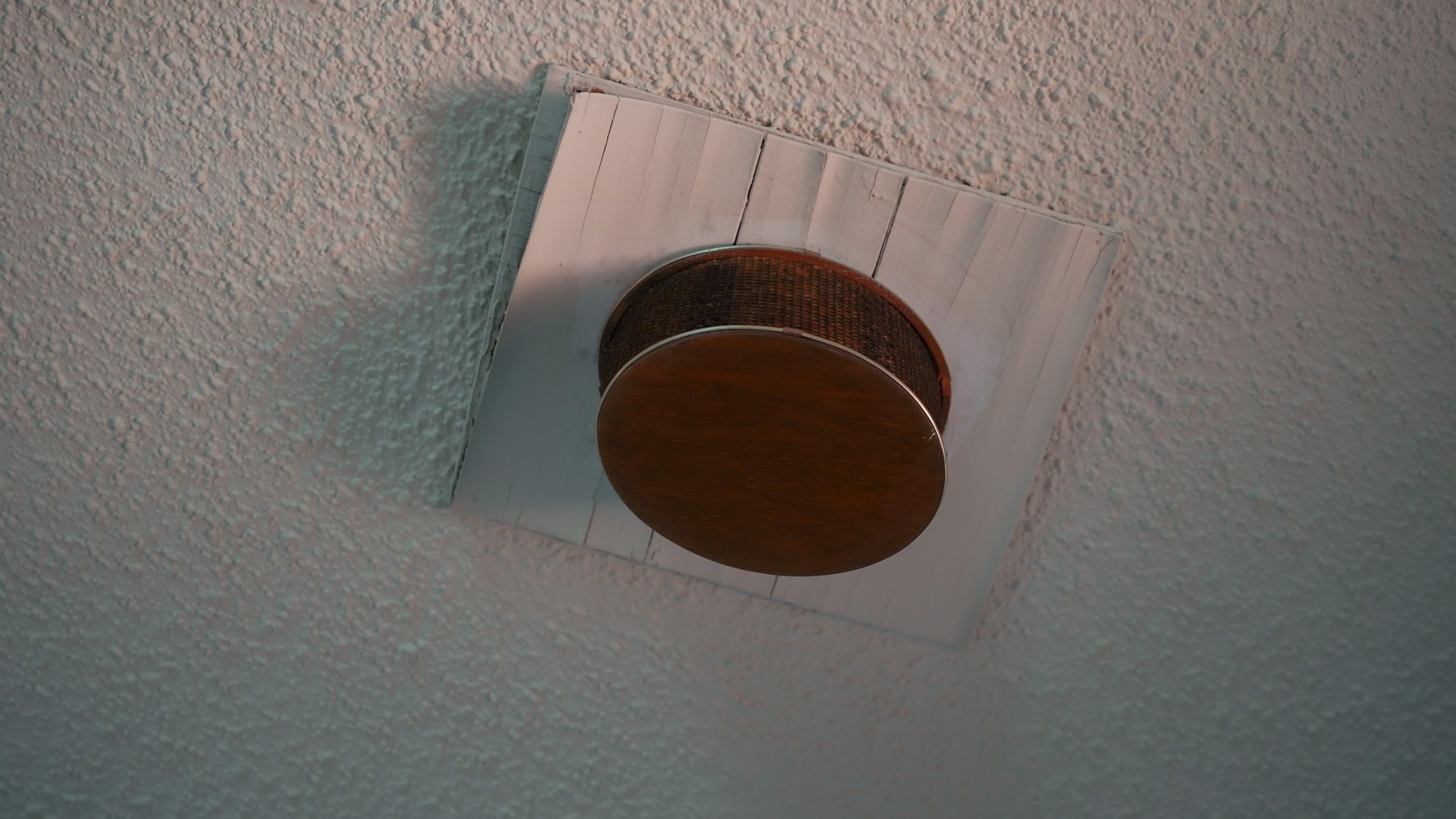
As colder weather increases the use of home heating, the Spearfish Fire Department is urging residents to check their detectors. Deputy Fire Chief Brian Ziegler says the department typically gets more carbon monoxide calls in the colder months.
Carbon Monoxide Is The Invisible Killer You Cannot See, Smell Or Taste
Carbon monoxide, often called CO, is a gas produced when fuel does not burn completely. You cannot see it, smell it or taste it, which is why it has earned the nickname of the invisible killer.
Without a working detector, people may not realize they are being exposed. At high levels, exposure can cause unconsciousness or death.
That is a grim thought for a cozy night by the fire. The good news is that a detector costs very little compared with what it protects.
Symptoms Can Look Just Like The Flu
Here is the twist that catches people. Early carbon monoxide poisoning can feel like the flu, with headaches, nausea, dizziness, confusion and fainting.
If several people in your home feel sick at the same time, or if everyone feels better when they leave the house, take it seriously. Pets that act strangely can be another clue.
Get everyone outside into fresh air and call 911 from there. Do not go back in to look for the cause.
Furnaces, Water Heaters, Wood Stoves And Blocked Vents Are Common Culprits
The department names several possible sources. They include furnaces, water heaters, wood stoves, space heaters, blocked vents and vehicles left running in garages.
Most of these are everyday things we trust and rarely think about. A furnace that has sat idle since March may be dusty, and a vent can get blocked by a bird’s nest or a drift of snow.
A car left idling in an attached garage is dangerous even with the big door open. Back it out before you let it warm up.
Put A Detector On Every Level Of Your Home
Officials recommend carbon monoxide detectors on every level of the home. That includes the basement, the main floor and the bedroom floor.
Test them regularly, along with your smoke alarms. Most have a test button, and pressing it takes a few seconds.
The department also says to learn how your detector’s carbon monoxide alarm differs from its low-battery warning. The sounds can vary by model, so read the manual or the maker’s website, and make sure everybody in the house knows the difference.
Never silence a CO alarm and go back to bed. Treat every real alarm as an emergency.
Inspect The Heat And Dig Out The Vents After A Storm
Have your heating appliances inspected each year by a qualified technician. Clean your chimney every year and check for damaged mortar.
After a snowstorm, clear snow from your furnace and dryer vents. If they are buried, exhaust gas can back up into the house.
If you are not sure when your furnace was last serviced, call a licensed heating company now, before the busy season fills up. A short visit may save you from a long emergency.
Keep Generators And Grills Far Outside
Use generators, gas-powered equipment and gas or charcoal grills only outdoors. Keep them at least 20 feet from doors, windows and vents.
Never run a generator in a garage, a basement or a porch with the door open. The fumes can drift inside in minutes, and power outages are exactly when people are tempted.
Resist the urge to warm up the house with a grill or a stove. Those are not heaters.
Why The Cold Months Bring More Calls
When the temperature drops, homes get sealed up tight. Windows stay shut, furnaces run for hours, and fireplaces and wood stoves come out of storage.
That combination gives any leaking or blocked appliance a chance to fill the house with gas. A tight, well-insulated home is a good thing for your heating bill, and it makes a working detector all the more important.
If you rent, ask your landlord where the detectors are and when they were last tested. In many places the landlord is required to provide them, and a polite request in writing is a good start.
A Quick Weekend Checklist For Your Family
Pick a day, such as the day you change your clocks, and make it your safety day. Press the test button on every detector, replace any that are old, and write the date on the back.
Most manufacturers recommend replacing carbon monoxide detectors every five to ten years, depending on the model. Check the label for the date of manufacture or the replacement date.
Talk through a plan with your family. Everyone should know to leave the house at the sound of an alarm, and where to meet outside.
Finally, tell a neighbor or an older relative who lives alone. A quick call, or a visit with a new detector in hand, could be the best gift you give this winter. For more, see the National Fire Protection Association’s carbon monoxide page.
More Stories You May Like
- Gardener Rips Out Every Blade Of Grass In Her 50 Ft Long Garden, Then Digs Up Her Whole Catmint Border To Replant It With A New Tool That Spared Her Shoulders And Back
- Same Plants, Same Lawn And Same Soil, But One Garden Looks Like A Five Figure Invoice, And The Difference Is A 4 Inch Strip You Can Start With A Free Spade Cut
- Man Paying Cash With No Debt Wants To Buy Alaska Lots And Build, And The Real Estate Pro Warns It’s A Field Of Dreams Where Buyers Do Not Just Show Up
Leave a Reply