
The tension between parental expectations and personal identity can often lead to unexpected confrontations. In a recent story, a young adult recounted a peculiar exchange with their mother, who expressed concern that social media and feminism were “brainwashing” her child. Rather than an outburst of rage, the mother’s controlling behavior was cloaked in sweetness, making the demand for absolute agreement even more unsettling.
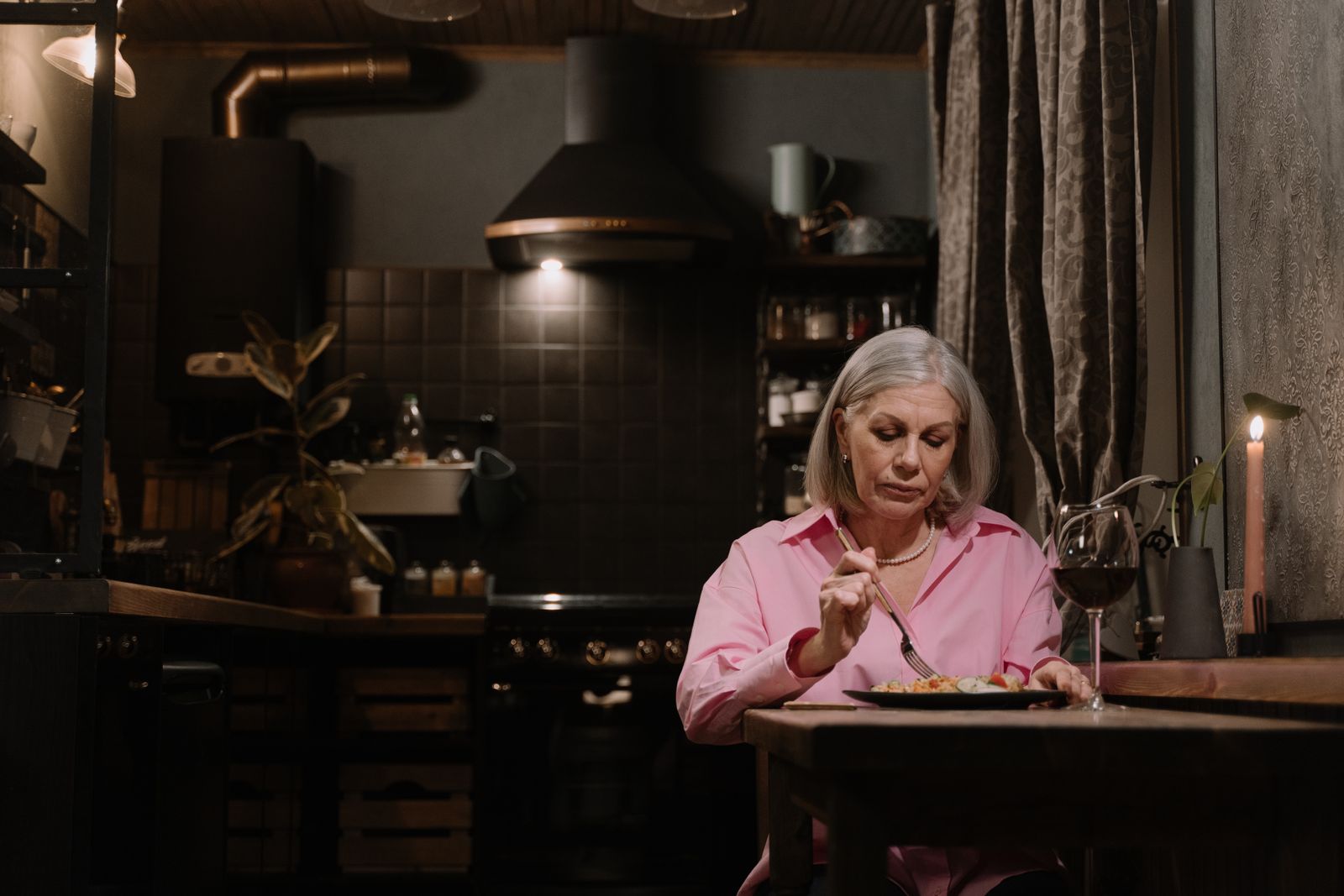
It all began with what the poster described as a “weird lecture” from their mother, who claimed to have a “creeping feeling” that something was changing in her child. The mother’s request was simple yet chilling: she demanded a promise of total agreement with her perspective and insisted her child would never “upset” her. This interaction, marked by an unsettling blend of concern and manipulation, drew parallels to Mother Gothel from Disney’s *Tangled*—a character who feigned love but was deeply insecure and controlling.
Reflecting on past experiences, the poster recalled a time when their passion for learning a new language was met with resistance rather than encouragement. Instead of celebrating the child’s ambition, the mother reacted with accusations of wanting to escape and marry someone from that country. While the mother boasted about her child’s accomplishments to her friends, it became clear that her pride was conditional, only flourishing when it served her own needs. The mother’s behavior seemed to stem from a fear of losing control, as her child developed an independent identity and began to think for themselves.
The role of religion in this dynamic further complicated the relationship. The poster noted that their mother often made comments regarding “bad” and “immodest” girls, invoking religious rhetoric to control her child’s behavior. This was coupled with a condescending brand of prayer that suggested the child was on a path to sin, cloaked in worries for their well-being. The mother’s attempts to guide her child were less about genuine concern and more about maintaining her grip on the child’s choices and beliefs.
Readers reacting to this story expressed an array of thoughts, with many resonating with the poster’s description of the mother as having a deeply selfish love. Some highlighted the emotional toll such manipulation can have, emphasizing that love should not come with strings attached. Others noted the classic traits of narcissism in the mother’s behavior, suggesting it reflected her insecurities and need for validation.
Interestingly, the majority of commenters focused on the theme of identity struggle, highlighting how the conflict mirrored their own experiences with family dynamics. Many shared anecdotes of feeling constrained by parental expectations, indicating that this type of relationship—where love is conditional—was far from uncommon. This exchange not only illuminated the conflict between a child’s desire for autonomy and a parent’s need for control but also sparked conversations about the broader implications of parental influence on personal identity.
As the poster continues to navigate the complexities of their relationship with their mother, the lingering question remains: how does one balance the desire for independence with the weight of familial expectations? The peculiar and unsettling exchange serves as a poignant reminder of the delicate dance that many individuals face when establishing their own identities against the backdrop of a controlling parent.
More from Willow and Hearth:
Leave a Reply