
The struggle for independence can be particularly complex for those raised in families where loyalty is intertwined with unhealthy dynamics. For one 25-year-old man, the burden of coping with a workaholic and narcissistic father has created an unbearable atmosphere that has led him to a breaking point. Feeling suffocated by manipulation and emotional turmoil, he has made the difficult decision to escape his father’s home in search of his lost identity and autonomy.
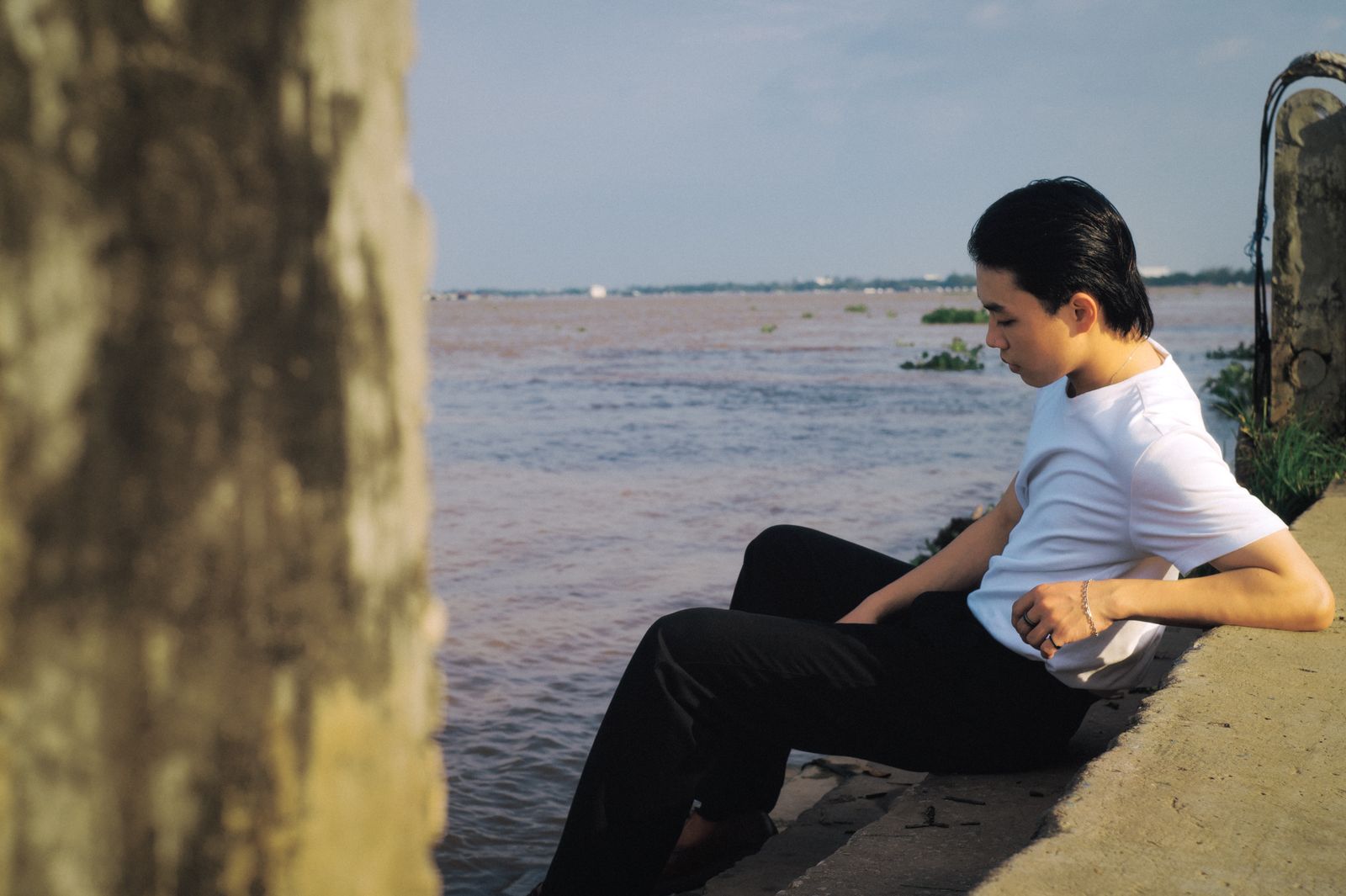
Growing up in a family where familial ties are pivotal in their culture, the poster always found himself distanced from his father, preferring the nurturing presence of his mother. His father, now in his mid-60s, has spent his life immersed in the family business, reflecting a relentless devotion that has come to dominate their household. “He’s so professional and devoted, but obviously there is a line,” the poster stated, highlighting the blurred boundaries that have left him feeling stifled.
The poster recalls a childhood where conversations with his father were rare and often tinged with tension. His father’s anger issues, exacerbated by work-related stress, have created an atmosphere where every interaction feels menacing. “He manipulates me, he makes me feel so bad about myself,” he laments. Over the years, he’s experienced significant gaslighting, characterized by his father’s “sad puppy” yet angry expressions when he declines invitations or stands up for himself. The emotional toll has been profound, leading him to avoid his father altogether by leaving the room whenever he enters.
Despite the poster’s achievements—holding multiple degrees—he finds himself struggling to secure employment, compounding his feelings of frustration and helplessness. “I’m trying, boy am I trying, but he always does or says something that pisses me off,” he explained, noting the unique strain of navigating his father’s expectations while grappling with his own mental health challenges. His father’s domineering presence has slowly chipped away at his sense of self, leaving him feeling like he is “losing” his personality—a sentiment that weighs heavily on his mind.
In his quest for liberation, the poster is actively planning to move out of his parents’ home. He recognizes that leaving will be difficult, particularly in the context of his current unemployment status. Yet, he remains hopeful. The supportive relationship with his mother serves as a counterbalance to the turmoil inflicted by his father, providing him with a glimpse of the unconditional love he yearns for. “My mom, she’s an angel,” he reflected. This sentiment reveals a stark contrast to his father’s behavior, positioning his mother as an emotional refuge amid the chaos.
As he grapples with this emotional upheaval, readers have resonated deeply with his plight. Many have highlighted the toxic dynamics that often persist between parents and their adult children, especially in cultures where familial loyalty is emphasized. Commenters recognized the struggle of feeling trapped in a cycle of manipulation and emotional neglect. A common thread among the reactions centered around the necessity of self-care and the importance of setting boundaries, even in familial relationships.
While some readers empathized with the poster’s desire to escape the grips of his father’s controlling behavior, others shared their own harrowing experiences with similarly toxic relationships. The collective acknowledgment of the emotional scars left by such parental figures has united many. The poster’s tale has struck a chord, revealing a wider conversation about navigating the complexities of family loyalty and personal well-being.
Ultimately, the poster’s journey is one of reclaiming his identity and autonomy. As he prepares to leave the family home—a space that has become synonymous with emotional turmoil—he is driven by the hope of rediscovering himself outside the shadow of a narcissistic parent. With his future uncertain but filled with possibility, the challenge now lies in making that leap into the unknown, a journey that many readers understand all too well.
More from Willow and Hearth:
Leave a Reply