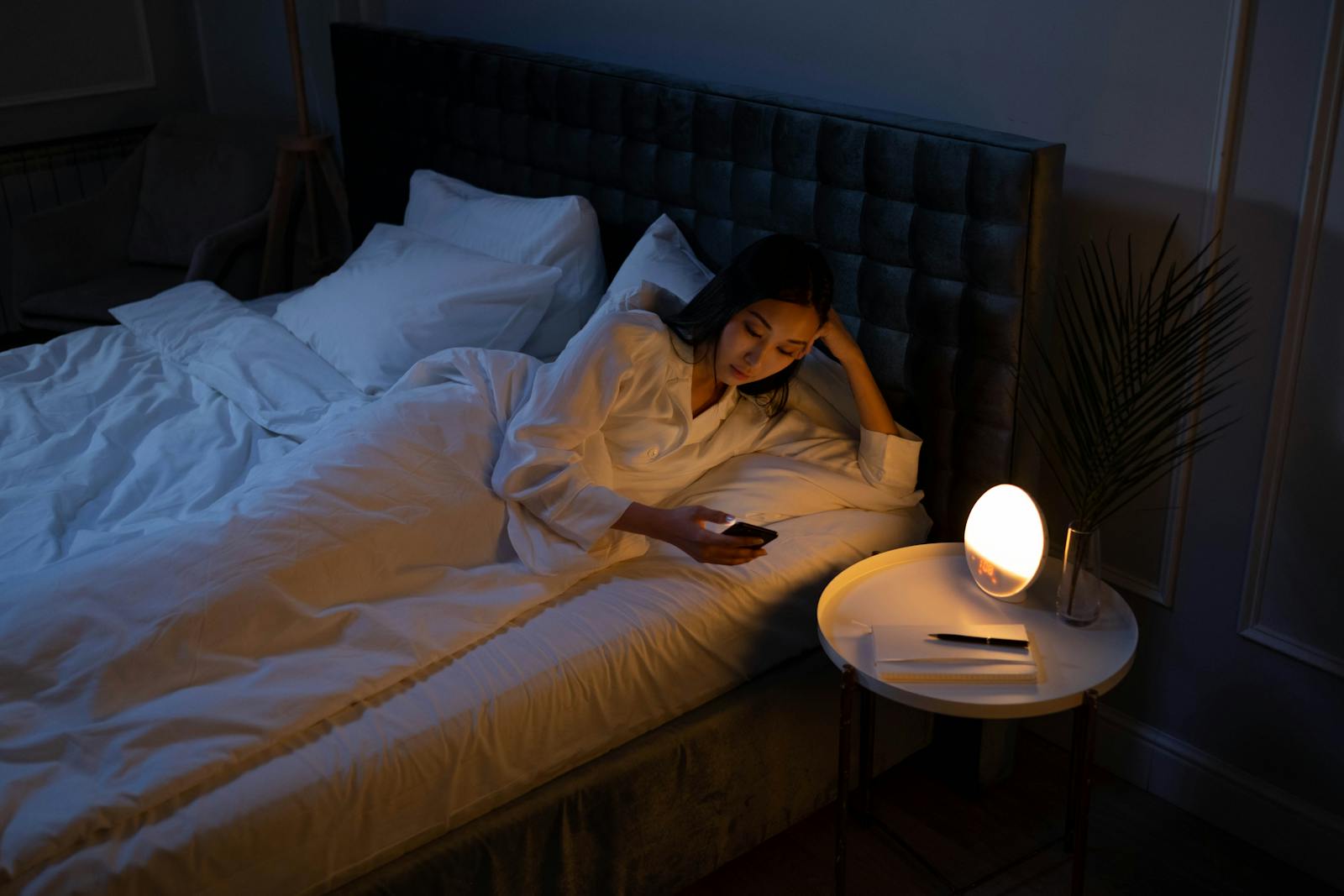
A tenant living in an Ohio apartment complex is facing a troubling situation as she grapples with essential medical needs amidst unaddressed repair issues. For over three years, this resident, who has chosen to remain anonymous, has been dealing with a landlord known for neglecting maintenance concerns. With the results of her recent sleep study revealing a need for overnight oxygen, the urgency of her situation has escalated. Compounding her distress is the fact that the only electrical outlet near her bed, the one needed to power her oxygen machine, has been sparking and shorting out since August.

The tenant recounted her experiences, sharing that maintenance requests often go unresolved for extended periods. One previous request took over a year to address, illustrating a pattern of neglect that has left her and other tenants frustrated and concerned. “When we had roaches last year due to a neighbor’s infestation, it took them three months to send pest control,” she stated, highlighting the systemic issues in her apartment complex.
In August, she reported the hazardous outlet, but as of now, that issue remains unfixe. With her recent diagnosis necessitating the use of oxygen during the night, the urgency has become critical. “I reported it in August of last year, but here we are,” she lamented, emphasizing the dire need for a safe living environment, especially with her new health requirements.
Her current strategy involves putting her rent in escrow until the landlord addresses the repairs. She feels that due to the medical implications of the needed repairs, she might have a case to legally break her lease without suffering financial penalties. However, the buyout amount provided by the landlord is exorbitantly high, making it difficult for her to consider this option seriously.
Legal experts often point out that tenants have rights when it comes to safe living conditions. In Ohio, landlords are legally required to maintain their properties in a habitable condition, which includes adhering to safety standards regarding electricity and appliances. Ignoring reported issues, especially those impacting a tenant’s health, could potentially provide grounds for tenants to terminate their leases without penalties. In cases where health and safety are compromised, the law tends to favor the tenant, particularly if they have documented their complaints.
For tenants facing similar situations, it is crucial to maintain records of all correspondence with the landlord, including emails, maintenance requests, and any other documentation. In this case, the tenant has been diligent in documenting her complaints about the outlet and the need for repairs. As she continues to navigate this distressing scenario, she hopes to find a resolution that prioritizes her health and well-being.
While pursuing rent escrow is a valid approach, the tenant is also encouraged to seek additional resources. Local tenant advocacy groups can offer guidance on navigating these legal waters, as well as provide support on how to deal with unresponsive landlords. Many tenants have successfully utilized these community resources to address issues like hers effectively.
In the meantime, the tenant is left waiting for a response from her landlord, hoping for a swift resolution that finally prioritizes the safety of her living environment. The case underscores a broader issue faced by many renters: the challenge of ensuring landlords fulfill their obligations while maintaining a safe and habitable space.
As she waits for answers, the tenant remains hopeful that her situation will change for the better—both for her health’s sake and her peace of mind in her home.
More from Willow and Hearth:
Leave a Reply