Anyone who has lived under a homeowners association knows the feeling of opening an official looking envelope and wondering what it could possibly say. The creator behind @unpluggedmoments shared on social media that she received one of those letters after hosting a party, and the cause of the complaint was not the music, the parking or the noise. It was the vehicles her friends arrived in.
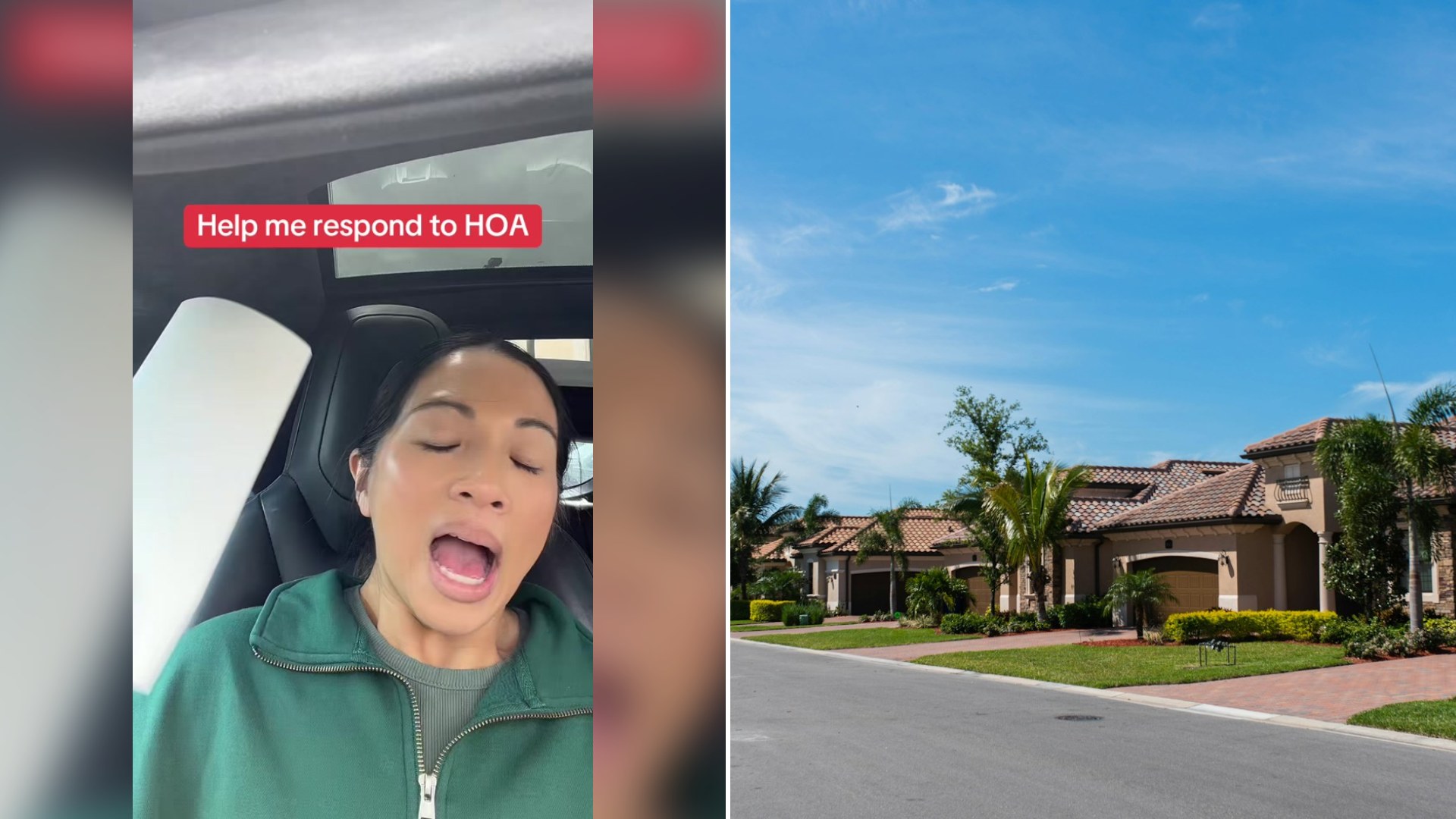
@unpluggedmoments
Her caption sums it up with a sigh. Apparently, she says, she is now supposed to notify the entire neighborhood before her guests pull up. She reads the letter aloud, shares her reaction, and then turns to her audience with a simple request. In her words, “Tell me how to respond to this.”
What The Letter Says
According to the creator, the letter came from the HOA vice president. It says that a few community members noticed the arrival of “three blacked out SUVs” during her party over the weekend. The note says this startled and unsettled several neighbors in what it calls an otherwise peaceful, family oriented neighborhood, especially because there was no prior notice. It adds that some residents even thought something more serious was happening.
The letter closes with a request. The association asks that she give advance notice about any “unusual activity” in the future and be considerate of the community’s feelings.
Her Side Of The Story
The creator says the people in the SUVs were her friends, and that this is simply what they drive. She jokes about whether they should have rented a Camry or a Prius instead. She then lists the facts as she sees them. She counts six cars in her own driveway and two on the street. Nobody blocked anyone else’s driveway. There was no loud music, the party took place in the daytime, and nothing went on at night.
Her tone is more amused than angry, but the question underneath is a real one. How much does a homeowner owe the neighbors when guests arrive, and where does the association’s authority end and private life begin?
The post does not say whether she has replied yet, and there is no indication how the association would answer. The letter and the party details are all from her account, and the board’s side has not been shared.
How Others Joined In
Plenty of people jumped in with mock replies of their own. Some wrote satirical letters in the voice of a homeowner, joking that the vehicles belonged to undercover agents or protective details for a very important guest. One suggested a reply that simply cites nondisclosure agreements. Another pointed out that if the vehicles did not carry flashing lights, they were just regular people driving regular cars. A person who said they were an HOA president suggested sending a firm letter back and moving on. It was all in good fun, but beneath the jokes was a genuine feeling that many homeowners recognize.
How To Handle An HOA Letter
If you ever find yourself in a similar situation, a calm approach usually works best.
Read the letter carefully and identify what is actually being asked. In this case, the letter appears to request advance notice rather than citing a specific rule. A request is not the same as a violation notice.
Look up your governing documents. Most associations have covenants, conditions and restrictions, along with bylaws and rules. They spell out what the board can and cannot regulate, how complaints are handled and what steps are required before a fine. If the letter does not point to a specific provision, you can politely ask which one applies.
Respond in writing, politely and briefly. A short, friendly reply creates a record and tends to lower the temperature. You can thank the board for sharing the concern, explain what happened in plain terms, and say that you are happy to be a good neighbor.
Keep your own records. Note the date and time of the event, the number of vehicles and where they were parked. If a dispute grows, a simple log can be helpful.
Ask whether there is a guest policy. Some communities have rules about the number of vehicles, guest parking or events. If yours does, knowing the details beforehand saves a headache.
Consider speaking with neighbors. Often a quick conversation at the door, or a friendly heads up before the next gathering, resolves a concern before it escalates into a formal complaint.
If the matter becomes serious, such as a fine or a threat of legal action, a real estate attorney who handles community associations can explain your options.
Parties And Good Neighbors
There is a case for a little advance notice. A quick note to the people next door saying that a few friends are coming over on Saturday afternoon costs nothing, and it goes a long way. Most neighbors are happy to hear about a party, and some will offer to move a car or help with parking.
There is also a case for a little grace on the other side. Cars parked legally on a public street or in a driveway are part of ordinary life, and the color of a vehicle is not a good reason to worry. A friendly knock on the door, rather than a formal letter, is often the best way to settle a concern.
The creator, writing as @unpluggedmoments, strikes a balance between the two. She makes her point with humor, lays out the facts, and invites others to weigh in. Her story is a reminder that living close to other people takes a bit of patience from everyone, whether you are throwing the party or looking on from across the street.
Leave a Reply