In a candid expression of marital discontent, a woman in her late thirties feels increasingly like a roommate rather than a desired partner to her husband. Despite having a solid friendship and co-parenting dynamic, the lack of emotional and physical intimacy has left her questioning the state of their relationship. As she reflects on the dwindling passion, it becomes evident that she longs for her husband to take the reins in their romantic life—a desire for spontaneity, connection, and the thrill of being chosen.
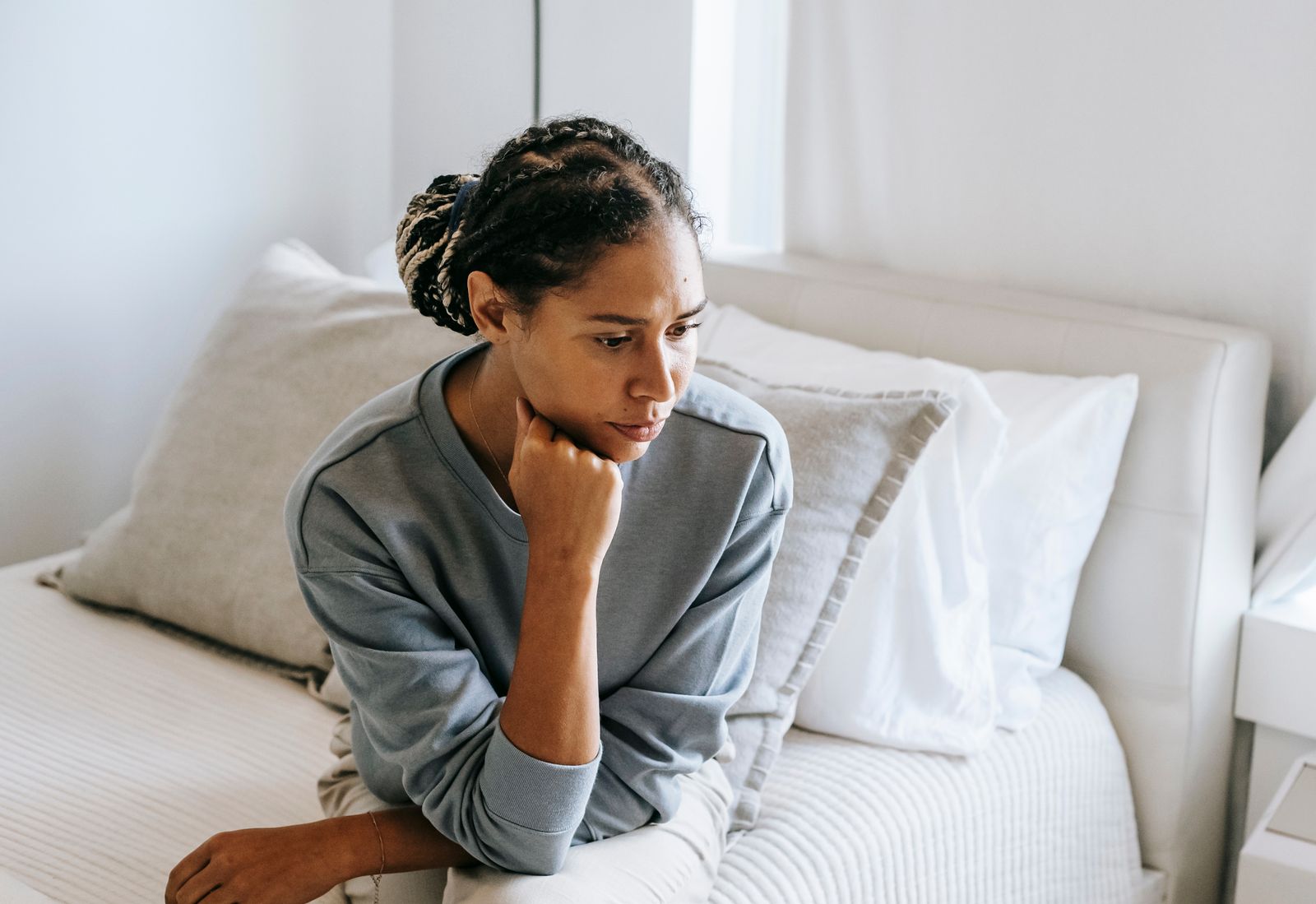
The poster describes their relationship as a strong friendship where laughter and companionship are abundant. However, she notes a significant absence of passion from her husband, who takes little initiative in planning date nights or initiating intimacy. “When we do have sex, it has started to feel extremely mechanical,” she shares, expressing her frustration over the stark contrast between their once-vibrant sexual life and their current routine. The poster’s high sex drive, wishing for intimacy five times a week, is met with the reality that if she didn’t take the lead, they may only have sex twice a month.
As she details her feelings of desire unreciprocated, the poster reveals the toll this has taken on her femininity and emotional connection. “Constantly having to initiate sex takes away any femininity I feel,” she confides, adding that the unresponsive nature of her husband has left her feeling increasingly undesired. The absence of compliments when she dresses up, as well as his indifference to her appearance, only compounds her feelings of loneliness in the relationship. “I get more compliments and attention from other men than I do my own husband,” she points out, questioning why her own spouse seems unfazed by her efforts to look nice for him.
The poster has attempted to address this disconnect through conversation; however, she feels as if her efforts yield little change. Her husband, described as an archetypical “workout, ride a tractor, drink a beer,” kind of man, seems content in his routine but lacks the protective and assertive qualities she craves. She recalls a particularly disheartening exchange where she suggested he might need testosterone. Instead of addressing her concerns, he dismissed the issue, saying it was “late” when she tried to initiate intimacy. His reaction left her feeling even more isolated and unheard. “It’s such a strange mentality for me because I want to go out of my way for him,” she laments.
Reactions from readers largely center on the importance of the emotional connection in marriage. Many noted the necessity of both partners to feel desired and to take active roles in maintaining the romance. Some expressed concern that the poster’s husband may not realize the depth of her feelings, with one commenter suggesting that she should keep expressing her needs clearly and consistently. Others emphasized the need for a balanced, reciprocal relationship—one where both partners feel empowered to contribute to the emotional and physical aspects of their connection.
The poster’s struggles resonate with many who find themselves in long-term relationships where passion may fade over time. Despite their solid friendship, the emotional distance and lack of intimacy create an unsettling tension. As the poster reflects on her experiences of feeling undesired, it raises broader questions about the intricacies of marital dynamics and the delicate balance of desire, affection, and companionship.
More from Willow and Hearth:
Leave a Reply