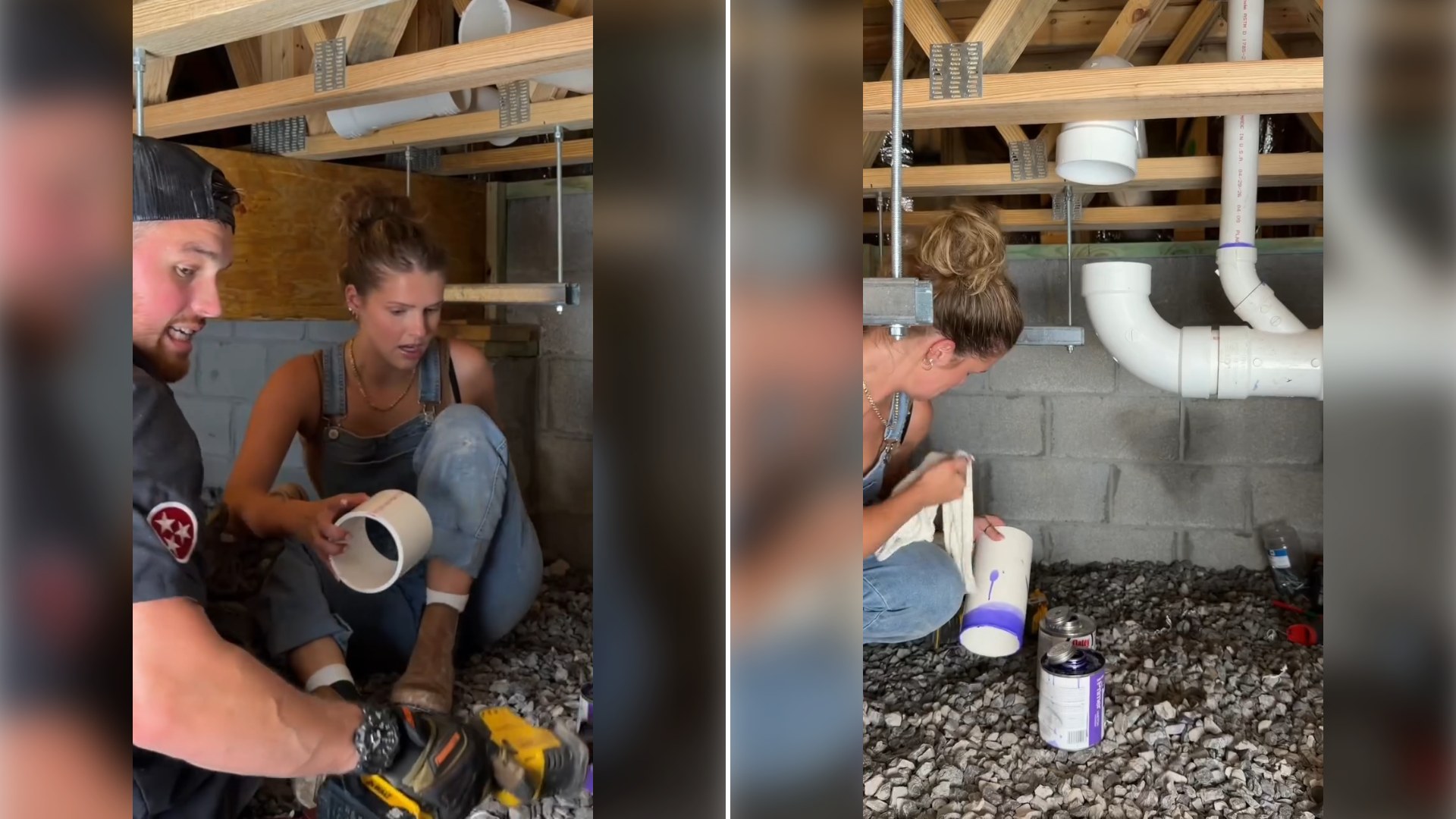
Buying a first home increasingly feels like a distant goal for a lot of people, which is exactly why @josie_balka’s ongoing Instagram series documenting her debt payoff journey, dollar by dollar, balance by balance, has built such a devoted following of viewers rooting for her to get there.
The decision to post the actual numbers rather than vague encouragement is the whole engine of this series. A specific updated balance and a specific payment amount carry a credibility that generic financial advice never manages, because they prove the progress is real rather than aspirational content dressed up as a plan.
Personal finance content has exploded across social platforms over the past several years, but most of it stays abstract, budgeting frameworks, investment tips, general encouragement to pay down debt. What sets this series apart is the specificity of the goal attached to the numbers: not debt freedom in the abstract, but a home at the end of it.
There is something quietly radical about showing financial struggle in public at all, since most people treat debt as a private shame rather than a shared experience. By posting updates regularly, the creator normalizes a process that so many people go through silently, often assuming they are the only ones behind.
The episodic format matters just as much as the content itself. A single post about paying off debt is a moment; a recurring series is a relationship, and audiences who follow along week after week develop real investment in the outcome, cheering milestones the way they might a friend’s progress rather than a stranger’s update.
This kind of transparency also quietly reframes homeownership itself, treating it not as a sudden event that happens to lucky or wealthy people, but as the result of a long, visible, occasionally tedious process that an ordinary person can document and control one payment at a time.
There is a broader cultural shift happening here too, away from the curated, aspirational real estate content that dominated social media for years, toward something more honest about what it actually takes most people to get from renting to owning in the current market.
The comment sections on this kind of series tend to be unusually supportive compared to typical social media, filled with people sharing their own balances, their own setbacks, and their own small wins, turning a single creator’s journey into something closer to a shared support group.
It is worth acknowledging, too, how much discipline a series like this requires beyond the financial discipline itself. Posting consistently, including on weeks when progress is slow or a setback occurs, takes a willingness to be visible through the unglamorous middle of a long project, not just its eventual success.
For anyone currently feeling far from the milestone of homeownership, content like this offers something more useful than motivation: a visible, step-by-step model of what the math and the patience actually look like in practice, rather than a vague promise that it will all work out eventually.
It is also worth recognizing how much courage transparency like this actually requires, since posting a real balance publicly invites judgment in a way that vague, inspirational content never does, and the willingness to accept that risk is part of what earns the audience’s trust so consistently over time.
Debt payoff content succeeds or fails largely on specificity, and the strongest creators in this space understand that a round, exact number does more rhetorical work than any motivational slogan ever could, because it gives the audience something concrete to measure their own progress against.
There is also a quiet argument embedded in this format against the shame so often attached to debt in the first place, the sense that struggling financially is something to hide rather than something nearly everyone experiences at some point on the way to a larger goal.
The home-ownership framing gives the series a clear narrative arc that pure debt content often lacks, since every payment update doubles as a countdown toward something tangible and desirable, rather than an abstract improvement in a credit score nobody outside personal finance circles fully understands.
Ultimately, series like this succeed because they replace fantasy with arithmetic, trading glossy aspirational real estate content for the unglamorous, repetitive work that actually gets most people from renting to owning, one transparent update at a time.
That transparency also does something subtler: it reframes the entire home-buying narrative away from luck and toward process, reminding viewers that most paths to ownership are built from hundreds of small, deliberate decisions rather than a single lucky break.
The series ultimately earns its audience by treating them as partners in the goal rather than spectators of a lifestyle, and that distinction, small as it sounds, is exactly why people keep coming back week after week to check the latest number.
There’s a reason this particular format, balance, payment, repeat, has proven so durable across personal finance creators generally, since the sheer repetition of showing up with real numbers week after week does more to build credibility than any single polished success story could manage on its own, and that credibility is exactly what makes the eventual home purchase feel earned rather than lucky when it finally arrives.
Ultimately, what makes this series worth following isn’t any single balance update, it’s the cumulative proof that a goal as large as buying a home can be broken down into payments small enough to track, and specific enough to believe in, one real number at a time.
Leave a Reply