It was her birthday, and @denisedior94 was doing what plenty of people do on a special night: getting ready, blow dryer in hand. Then came a knock at the door. It was the police. Someone, the officers explained, had called in a report of yelling and fighting inside her home. Her caption makes clear who she suspects: “Birthday present from my neighbor.”
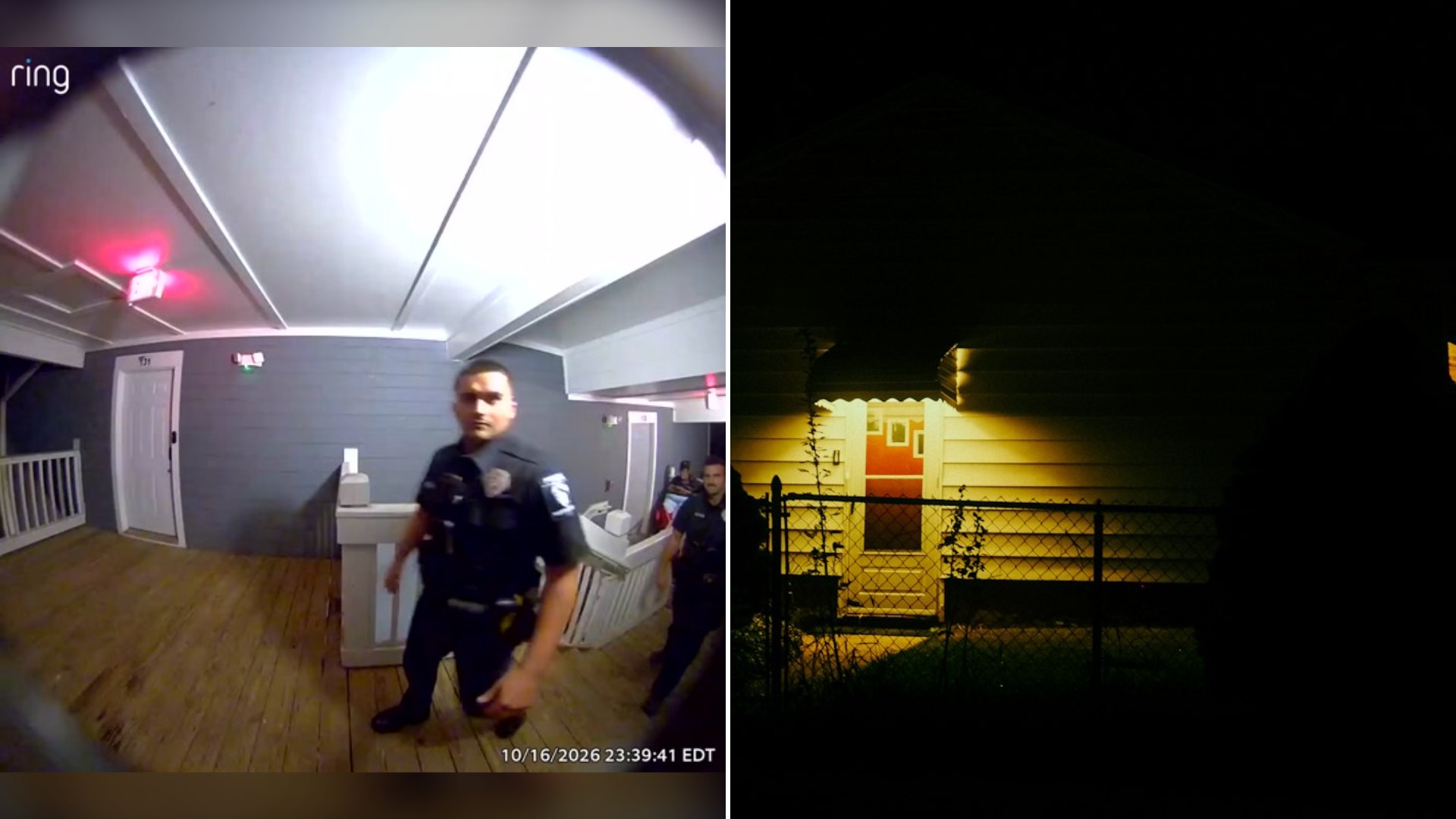
The video picks up at the front door. The officers explain they received a call and simply want to make sure everyone inside is okay. Someone had reported hearing people yelling and arguing, and possibly fighting.
She seems genuinely confused. “I don’t know what’s going on,” she tells them. “I’m blow-drying.” She explains that she has been home getting ready, and adds with a bit of humor that it is her birthday, so they could at least wish her a happy one.
She steps outside to talk with the officers and walks them through the evening. Her daughter, she says, had just come back from homecoming. Nothing else was going on. No fight. No shouting match. Just a mom drying her hair and a teenager home from a school dance.
The officers appear satisfied that everyone is fine. They apologize for the bother, wish the household a good night and head off. “Sorry to bother you guys,” one says as they leave.
The whole exchange is calm and polite on both sides. But the caption, tagged with hashtags about nightmare neighbors, suggests she does not think the call was an honest mistake.
@denisedior94
Why Police Still Have to Knock
It is easy to feel insulted when officers show up over something that never happened. But from their side, a report of fighting inside a home is a call they cannot ignore. It could be a domestic violence situation, a medical emergency or someone in danger. Officers generally have to check in person, even when the caller turns out to be wrong.
Dispatchers also usually cannot judge whether a caller is honest. They pass along what they were told, and officers arrive expecting the situation described. That is one reason a report of fighting brings officers to the door instead of a phone call.
That is why the calm approach shown in this video is the smart one. She answered the door, explained what was happening, stepped outside to talk and let the officers see for themselves that everyone was safe. The visit ended in a matter of minutes.
What to Do If Police Come to Your Door Over a Report
If officers ever knock with a report you know is false, these tips can help the visit end quickly and safely:
- Stay calm and polite. Officers do not know you and are responding to what someone told them. A friendly, steady tone helps everyone relax.
- Keep your hands visible. Set down anything you are holding before opening the door, even a hair dryer or phone.
- Explain simply. Tell them who is home and what was going on. Short, clear facts work best.
- Know your rights. In general, officers need a warrant, your consent or an emergency to enter your home. You can choose to step outside to talk instead, as she did. If they believe someone inside may be hurt, they may ask to see that everyone is okay.
- Ask for a report or call number. If you believe the call was made to harass you, ask for the incident or call number so you can reference it later.
When a Neighbor Keeps Calling the Police
One mistaken call can happen to anyone. A loud television, a teenager laughing or a phone call on speaker can sound like an argument through a thin wall. But if the calls keep coming, it may be a pattern of harassment.
Here is how to protect yourself:
- Write everything down. Keep a log of each police visit, including the date, time, officers’ names and what was reported.
- Request records. Many police departments let residents request call logs or incident reports for their address. A string of unfounded reports can be powerful evidence.
- Talk to the department. A non-emergency call to the station or a meeting with a community officer can make them aware of a possible pattern of false reports.
- Know that false reports are illegal. Most states make it a crime to knowingly file a false police report. If you have evidence a neighbor is lying to police on purpose, ask officers about your options.
- Consider a camera. A doorbell camera can capture visits like this one and provide a calm, time-stamped record.
- Look into mediation or legal help. Community mediation programs can sometimes resolve neighbor tension. If the harassment continues, a local attorney can explain whether a protective order makes sense.
Through it all, try not to confront the neighbor in anger. A heated exchange in the yard can easily turn into the very kind of report that brings officers back to your door.
For this mom, the night ended with an apology and a story she will probably laugh about at future birthdays. Still, as her caption suggests, a knock from the police is not exactly the gift anyone hopes to unwrap.
Leave a Reply