A woodstove can make a house feel like a cabin all winter, but a former insurance worker says the real heat comes after a fire if your paperwork is not in order. Reading the fine print on your policy, the person warns, may matter more than the wood you stack.
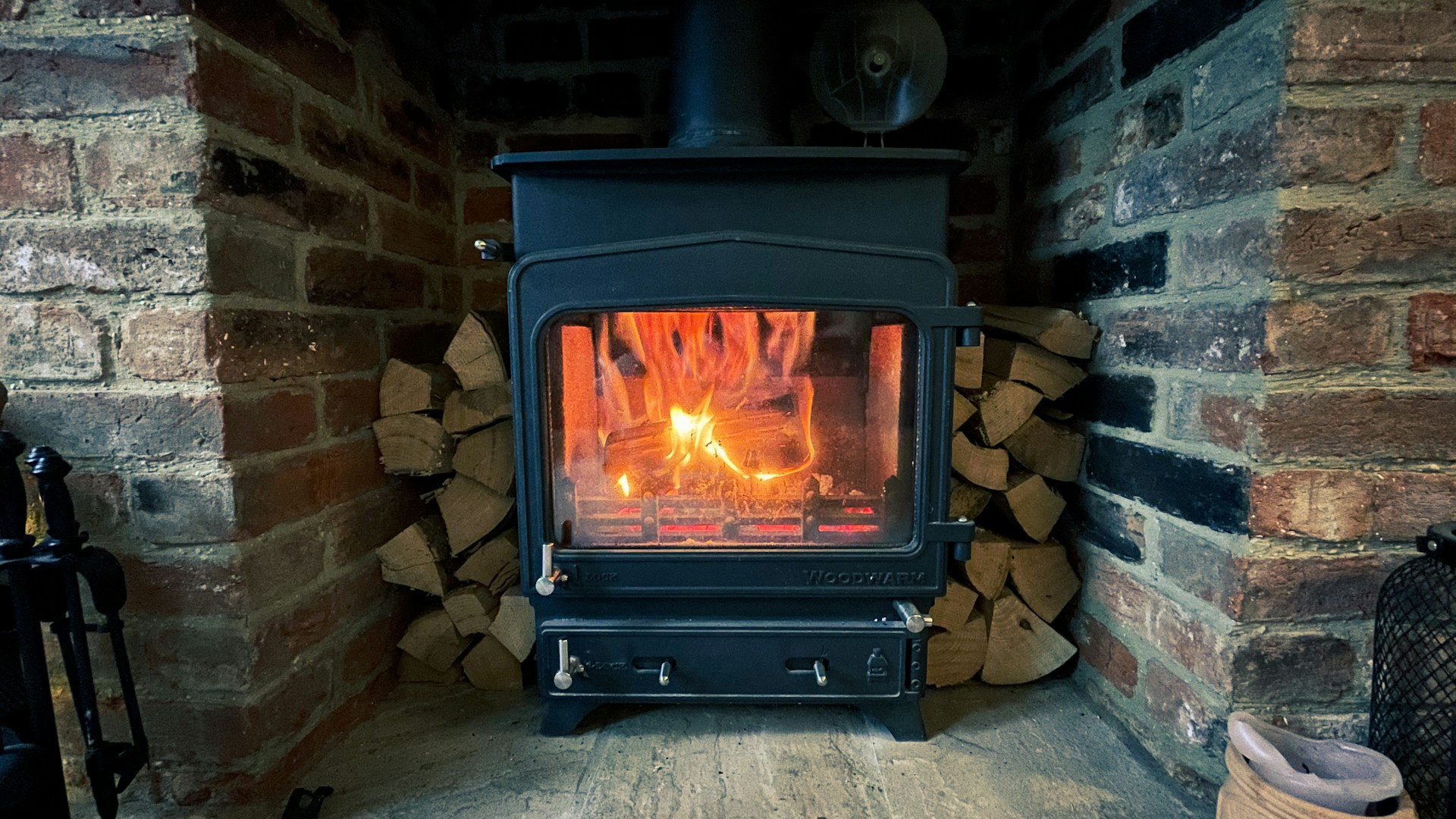
The warning came in a Reddit post on r/woodstoving titled “PSA: Read and comply with your homeowners insurance,” and it was picked up by The Cool Down on Oct. 31, 2026. The poster spent years working in insurance in a state where heating with wood is common.
“I Saw So Many Claims Being Denied” Over Woodstoves
The poster wrote, “I saw so many claims being denied because homeowners didn’t comply with policy requirements around their woodstoves.” In other words, a fire loss can turn into a fight when the stove, the installation or the maintenance did not match what the policy demanded.
The poster added that most people they know have never read or even seen their policy. That is easy to believe, since most of us file it away and hope we never need it.
Tell Your Insurer, Then Get Every Answer In Writing
The advice starts before any loss happens. Tell your insurer you have a woodstove, and read the full policy rather than the summary page.
Ask questions in writing so there is a record. The poster listed what to confirm: whether the stove must be professionally installed, whether the setup has to meet code, and whether annual inspections or chimney cleanings are required.
There is one more catch. Switching insurance carriers can change these standards, so a stove that satisfied one company may need a fresh look with the next.
The Yearly Sweep Can Cost As Little As $126
Commenters shared what their own chimney service costs, and the range was wide. One person pays $126 a year for a cleaning and advised shopping around.
Another said an annual sweep and inspection climbed from $200 to $285. The original poster said a local independent chimney professional charges about $200.
Even the top of that range is small next to the cost of a house fire. A receipt from a sweep is also the kind of paper trail that can show an insurer you kept up your end of the deal.
Prices vary by region and by the type of stove or chimney, so it pays to collect two or three quotes before you book. Some companies bundle the sweep with a camera inspection of the flue, which is worth asking about.
“Insurance Is Probably My Only Shot At Not Ending Up Homeless”
The poster’s bottom line was blunt. “If my house burns to the ground, insurance is probably my only shot at not ending up homeless,” they wrote.
That is why records matter. Keep installation records, inspection documents and cleaning receipts in a safe place, ideally online or off-site, because a fire could destroy the paper copies you keep at home.
One simple trick came from the poster. After each sweep, they email themselves photos of the work to create a dated record, and a commenter agreed with the idea.
Why Chimney Sweeps Matter Beyond The Policy
Insurance language aside, regular sweeps exist for a practical reason. Burning wood leaves behind creosote, a sticky, flammable residue that builds up inside the flue, and a heavy buildup can fuel a chimney fire.
The National Fire Protection Association recommends that chimneys, fireplaces and vents be inspected at least once a year. Many insurance carriers and local codes lean on the same standard, which is why the policy language often mentions annual cleaning.
How often you need a sweep depends on how much you burn and what you burn. Dry, well-seasoned wood leaves less buildup than green wood, so how you fuel the stove matters too.
Keep the stove itself in mind too. Gaskets, door seals and the clearance between the stove and nearby walls or furniture all matter, and most manufacturers publish the exact distances in the manual. Following the manual is a good way to show that an installation meets the requirements.
A Simple Checklist For Woodstove Owners
If you heat with wood, a short routine can protect your home and your claim. Start by calling your agent and asking, in an email, exactly what your policy requires for a woodstove or fireplace insert.
Then book a certified chimney sweep every year, ideally before the heating season starts, when schedules are less crowded and prices are easier to compare. Get a written receipt that lists the date and what was done.
Snap photos before and after, and email them to yourself so the date stamp is built in. Store the receipts, installation papers and inspection reports in a cloud folder as well as in a drawer.
If you recently bought a home with a stove, ask the seller for installation and service records, and have the setup checked before you light the first fire. A few phone calls now are a lot cheaper than a denied claim later.
Finally, remember that carbon monoxide and smoke alarms near the stove are a basic layer of protection, and test them when you change your clocks. The cost of all this is small, and the peace of mind lasts all winter.
More Stories You May Like
- New Jersey Renters Just Voted To Cap Yearly Rent Hikes At Just $20 For Rent Controlled Apartments, But There Is One Big Catch Waiting In December 2027
- LA Landlords Are Turning Tenants’ Parking Spaces Into New Apartments, And A Judge Halted One Project Converting 20 Spaces Into Nine Units While A 70 Year Old Renter Says Parking Is Her Freedom
- Florida Voters Just Approved A Huge Homestead Tax Break That Shields The First $150,000 Of Home Value Starting In 2027, But Newcomers Who Are Not Residents By Dec. 31, 2026 Must Wait Five Years
Leave a Reply