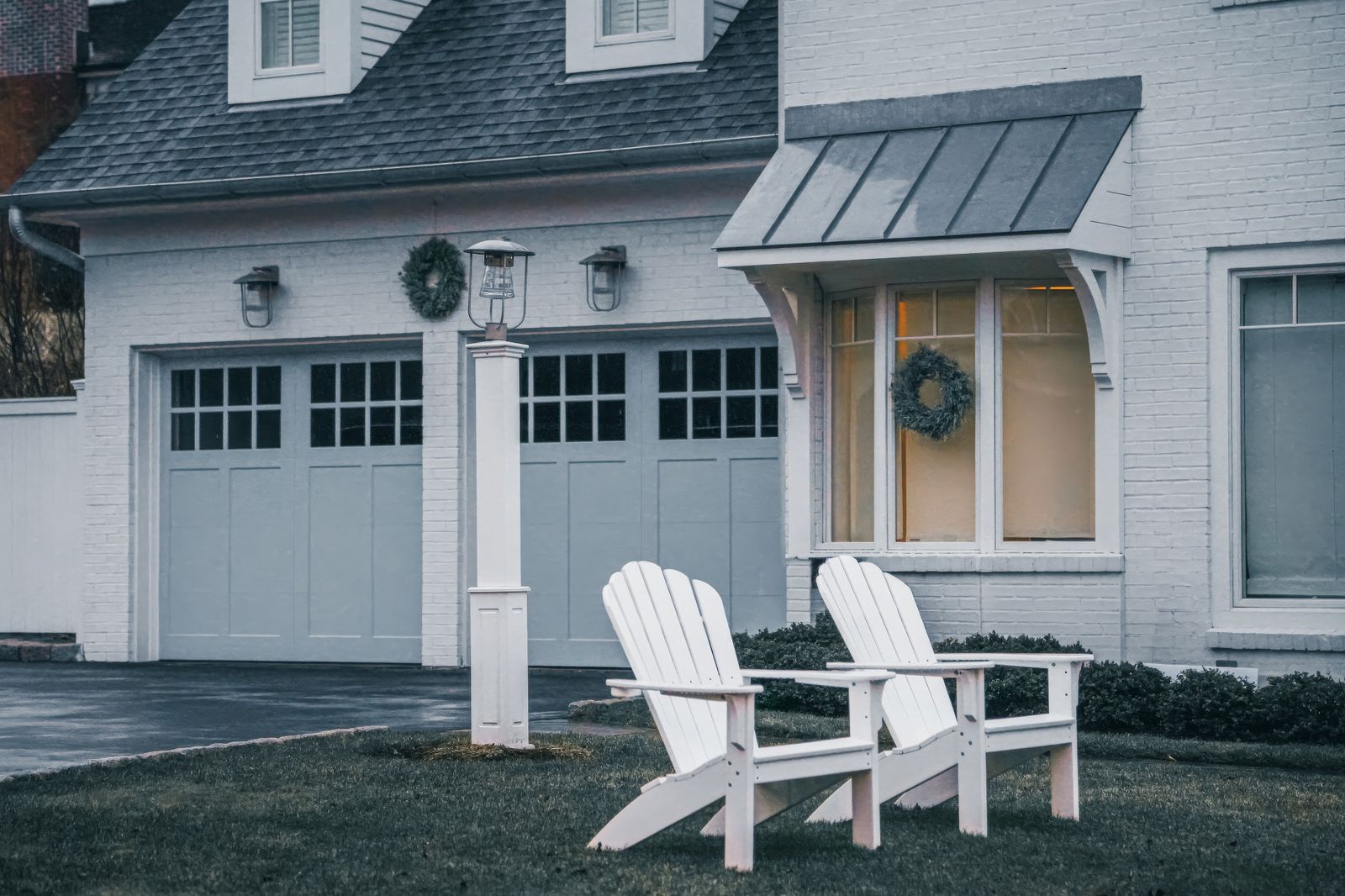
A homeowner who spends $4,672 replacing a garage door gets back $12,507 of it at resale, a 267.7% return that beats every other project tracked in Zonda’s 38th Annual Cost vs. Value Report. No kitchen remodel comes close. No bathroom addition, no primary suite, no finished basement. The next-best project on the national list, a steel entry door swap, returns 216.4%. Manufactured stone veneer sits third at 207.9%. Garage door replacement has now held the top spot for two years running, and the gap between it and everything else keeps widening.
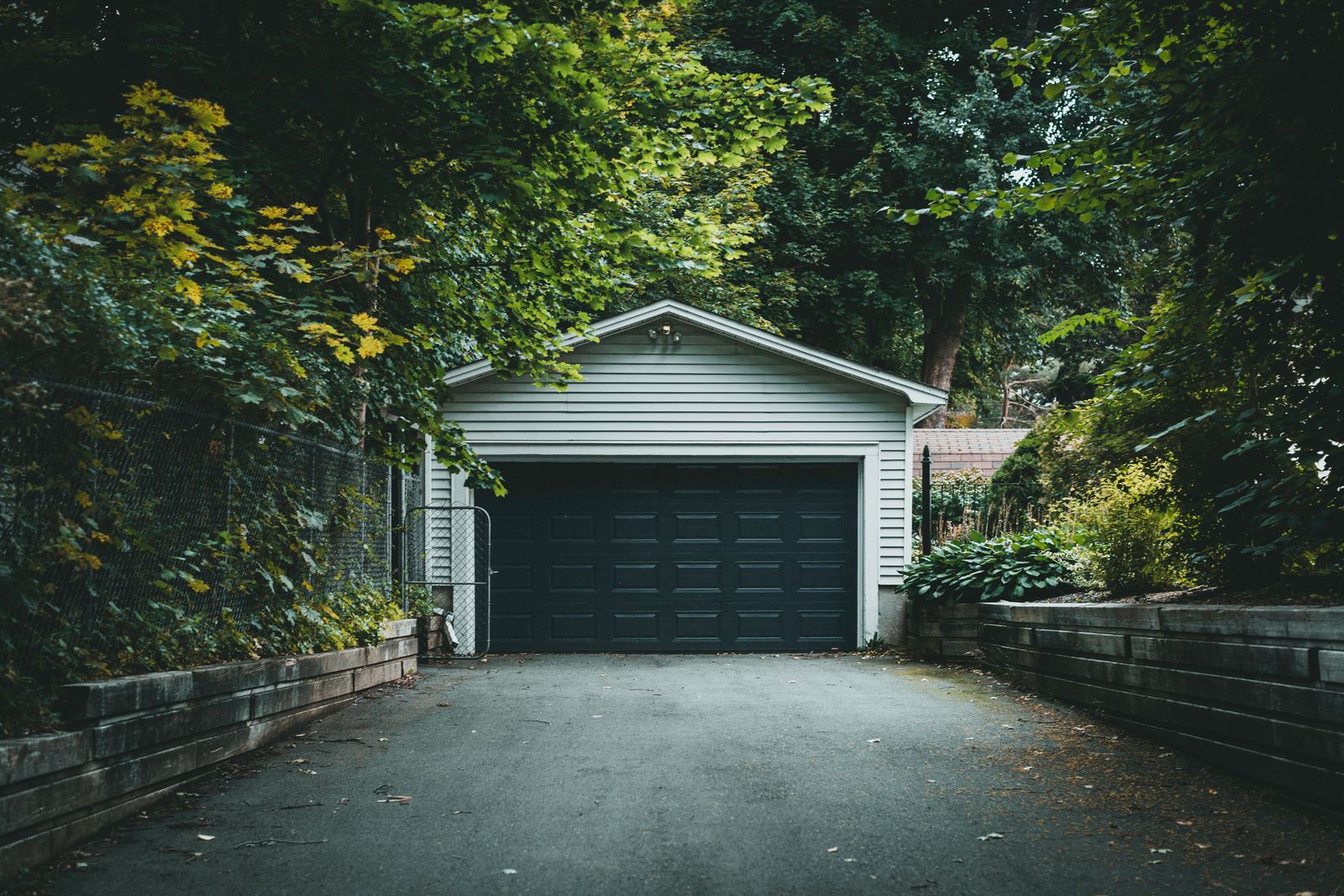
The Math Nobody Else Can Touch
Zonda’s report tracks 24 remodeling projects across the country, comparing what each one costs against what appraisers and real estate agents say it adds to a home’s resale value. Garage doors aren’t just winning that comparison, they’re winning it by a wide margin. Eight of the ten highest-ROI projects in the report are exterior replacements rather than interior remodels, and garage door replacement sits at the top of that list. The report’s editors point to a structural reason for the gap: exterior swaps take a fraction of the time and labor that a kitchen or bathroom gutting requires, which keeps costs low while the visual payoff at the curb stays high.
The trajectory matters as much as the current number. Garage door ROI has climbed sharply in recent cycles, moving from roughly 102.7% a few years ago to 194% and now 267.7%, according to figures reported by Clopay, one of the manufacturers whose products anchor the category. That is not a one-year fluke. It is a market recalibrating what buyers actually pay attention to when they pull into a driveway.
What the $4,672 Actually Buys
The number isn’t abstract. A 16-by-7-foot insulated steel garage door, the standard size for a two-car garage, retails for roughly $2,400 as a mid-tier product, based on a current Clopay Classic Steel model sold through Home Depot. That door comes with an R-12.9 insulation core, 27-gauge galvanized steel skins, and a factory finish designed to resist dents and fading. Professional installation, including removal of the old door and hardware, typically runs another $150 to $700, which puts a realistic double-door project comfortably within range of the $4,672 national average once openers, trim, and weatherseal work are added in. This is not a luxury door with glass panels and custom hardware. It’s a mid-market, insulated steel unit that any homeowner can order off a shelf.
Why It Beats Flashier Renovations
A garage door frequently covers more of a home’s street-facing wall than the front door, the windows, or the siding trim combined, which makes it the single largest visual element most passersby actually register. Unlike a kitchen countertop or a tiled shower, a garage door carries almost no personal taste risk for a future buyer. Quartz versus granite is a debate. A clean, undamaged garage door is not. And a garage door that’s dented, faded, or visibly sagging reads to a buyer as neglect, even when the rest of the house has been meticulously maintained, because it’s the first thing an appraiser and a buyer both see before they’ve stepped inside.
Why Almost Nobody Does It Anyway
Despite the return, garage doors rarely make a homeowner’s renovation wish list. A kitchen remodel or a finished basement delivers daily enjoyment, something to show off at a dinner party. A garage door delivers curb appeal and not much else in the meantime, so it tends to get postponed until the springs fail, the panel cracks, or the opener finally gives out. The purchase gets treated as a repair rather than an upgrade, made reactively instead of planned, which means most owners are replacing a door under time pressure rather than choosing the highest-ROI model available to them. That gap between what pays off and what people actually want to spend money on isn’t unique to garage doors, but the report suggests it’s rarely been this pronounced.
The Broader Lesson
Resale-value data keeps rewarding the projects that feel the least like a reward: an insulated steel door, a new coat of siding, a rebuilt front stoop. The renovations homeowners actually enjoy living with, the open-concept kitchen, the spa bathroom, the finished basement, consistently return less money per dollar spent because their appeal depends on a buyer sharing the same taste. Curb appeal doesn’t require agreement. It just requires that the house look cared for from the street, and right now, no fix accomplishes that more cheaply, or more profitably, than the garage door.
Leave a Reply