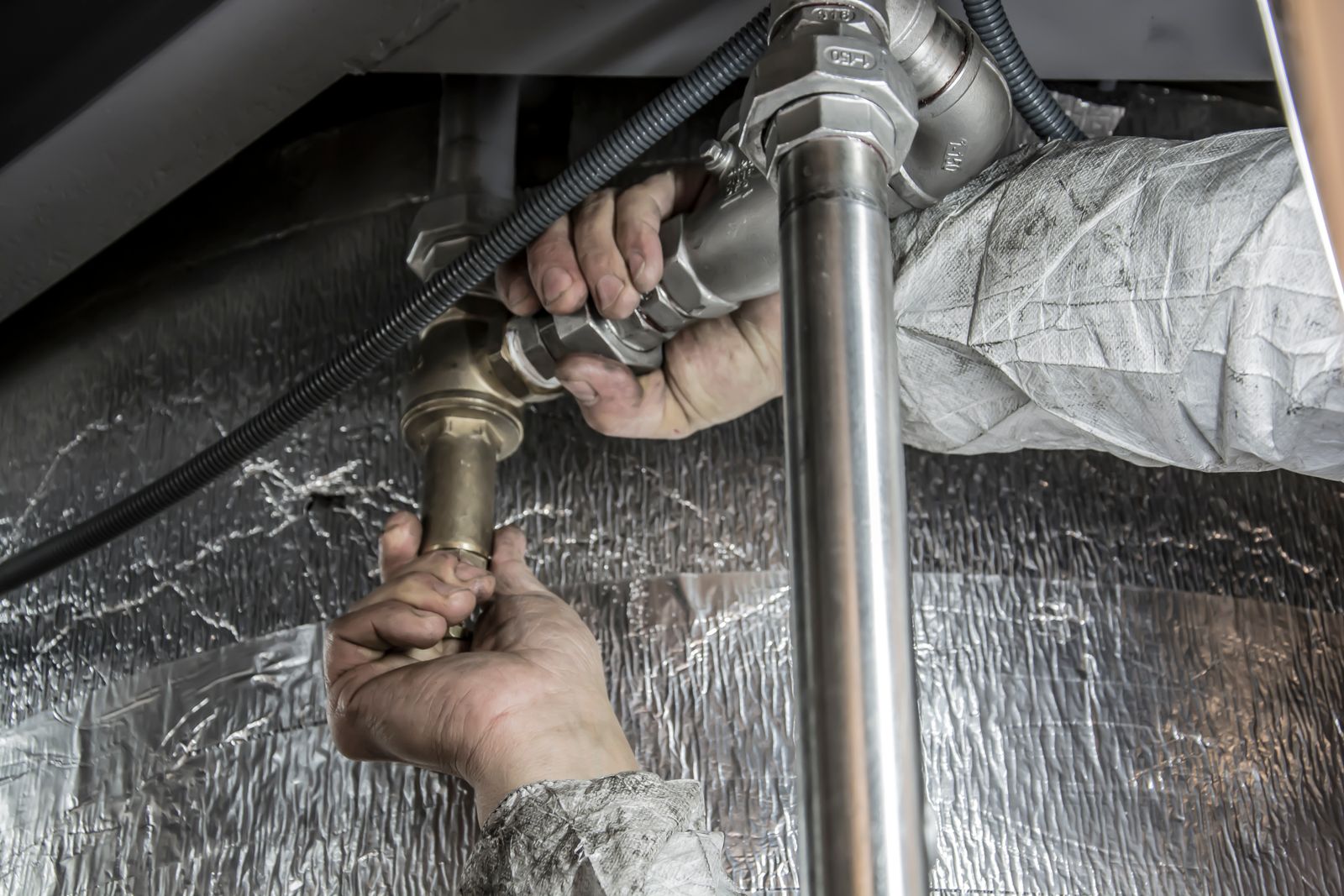
A licensed plumber’s hourly rate runs $45 to $200 depending on whether you get an apprentice or a master, and most companies tack on a separate $50 to $300 service call fee just to send someone to your door. That’s before a single part gets replaced. The gap between what a pro bills for a five-minute fix and what the part costs at the hardware store is often $100 or more, which is exactly why it’s worth knowing which repairs you can handle yourself and which ones aren’t worth the risk. Below is what current pricing data actually shows for both sides of that line, plus the point where a “simple” DIY job stops being simple.
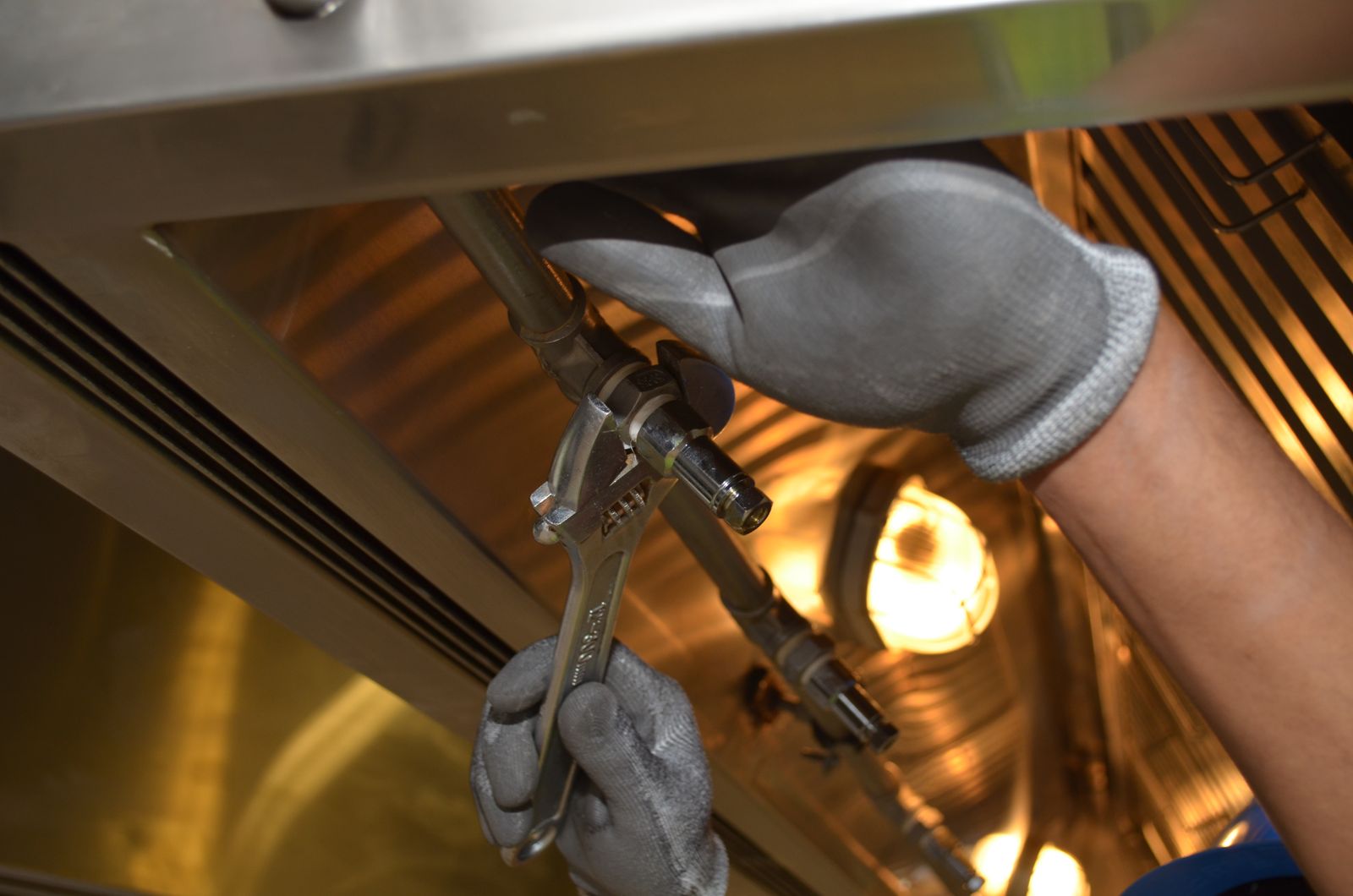
Safe to DIY
Running toilet. A plumber charges $100 to $300 to fix a running or leaking toilet, and most of that is labor for a job that takes ten minutes once you know what you’re doing. A worn flapper is the usual culprit, and a replacement costs $12 to $30 at any hardware store. If the flapper isn’t the problem, a new fill valve runs $12 to $60. Shut off the water at the valve behind the toilet, drain the tank, and swap the part following the instructions on the packaging. You’ll spend under $60 total instead of $130-plus in labor alone.
Clogged drain. Professional drain snaking averages $100 to $275 for a standard sink, tub, or shower drain, and Roto-Rooter and similar national services often charge $225 to $500. Start with a plunger, which costs $4 to $20, and give it 15 to 20 firm plunges to build real suction before giving up. If that doesn’t clear it, a handheld hand auger (also called a plumber’s snake) runs $15 to $100 and can reach clogs a plunger can’t touch. Skip chemical drain cleaners on older pipes since they can corrode metal fittings over time.
Faucet aerator replacement. If your faucet is sputtering, spraying sideways, or barely dribbling, the aerator, the small mesh screen at the tip, is almost always the problem, not the whole faucet. A new one costs roughly $4 to $21 and unscrews by hand or with a wrench wrapped in a rag to avoid scratching the finish. Compare that to full faucet replacement, which runs $120 to $300 installed, and it’s obvious which one to try first.
Showerhead replacement. Swapping a showerhead is one of the easiest plumbing upgrades there is. Basic fixed showerheads cost $14 to $40, and the job is unscrew the old one, wrap the pipe threads in plumber’s tape, and screw on the new one hand-tight plus a quarter turn with a wrench. No special tools, no shutoff needed.
Call a Plumber
Water heater replacement. A new water heater installed costs $600 to $1,800 for a standard tank model and $1,000 to $3,500 for tankless units. This is a real job: it involves gas line or 240-volt electrical connections, venting requirements, and in most jurisdictions a mandatory permit and inspection. Gas line work specifically requires a licensed professional in nearly every state, and getting it wrong risks a gas leak or carbon monoxide buildup, not just a wasted afternoon.
Sewer line issues. Anything involving the main sewer line, backups, root intrusion, or a collapsed pipe, needs a plumber with camera-inspection equipment. Diagnosing the problem alone can run $200 to $1,300, and digging into the wrong section of yard or slab without knowing exactly where the break is can turn a repair into a much bigger excavation bill.
Main shutoff valve replacement. This is the valve that controls water to your entire house. If it fails mid-repair, you have no way to stop the flow, and a mistake here can mean flooding a basement or crawl space before you can get it under control. Leave it to someone who can isolate the municipal supply line first.
Anything requiring a permit. Many municipalities require permits for repiping, water heater swaps, and any work that alters your home’s plumbing system. Skipping the permit isn’t just a fine risk. It can also void your homeowners insurance claim if that unpermitted work causes water damage later, and it complicates things when you sell the house.
When to Stop and Call It
Here’s the rule of thumb: if you’ve already shut off the water and you still can’t find where a leak is coming from, stop. That usually means the problem is inside a wall or under a slab, and continuing to poke around risks turning a $150 repair into a $2,000 wall-and-floor rebuild. The same goes for any fix that requires cutting into drywall, tile, or a finished ceiling to reach the pipe. At that point you’re no longer doing a plumbing repair, you’re doing a plumbing repair plus a construction project, and that’s exactly when the $75-an-hour plumber starts looking like the cheaper option.
Leave a Reply