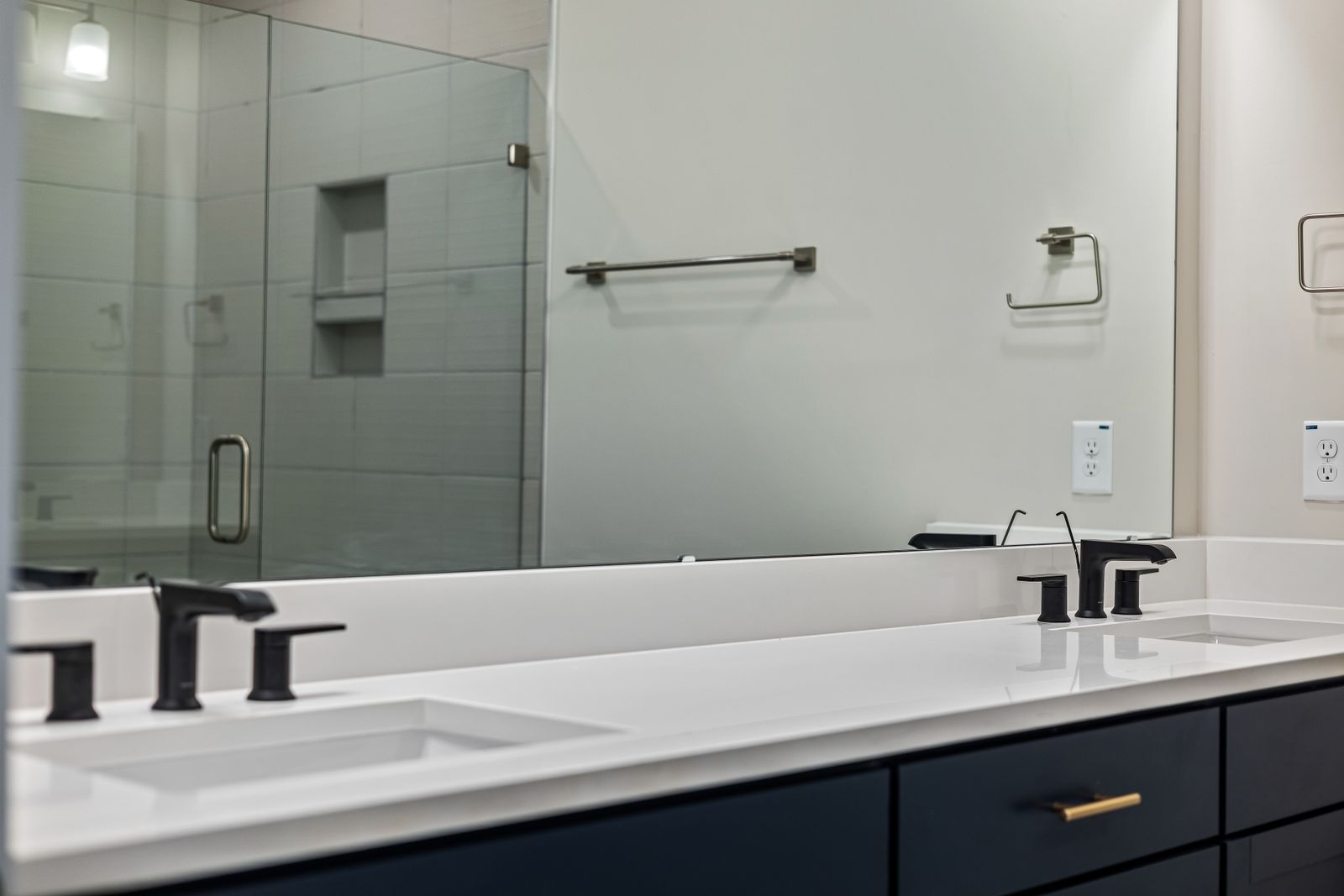
A $7 faucet aerator can start paying you back in about three and a half months, based on EPA WaterSense savings data. That’s the fastest of four bathroom fixture swaps below, and even the slowest clears its cost in under two years, a timeline almost no other home upgrade can match. The average household spends more than $1,000 a year on water, and the same EPA data shows that fully retrofitting a home with WaterSense-labeled fixtures and ENERGY STAR appliances can cut that by $380 or more annually. Below are four specific, currently sold products with real retail prices, EPA-calculated water and energy savings, and the payback math worked out in months. They’re ranked fastest payback to slowest, so start at the top if you’re working with a tight budget.
1. Faucet Aerator: Payback in About 3.5 Months
A basic WaterSense-certified aerator, like the NEOPERL model sold at Home Depot, runs around $7 and screws onto an existing bathroom faucet in under a minute with no tools beyond your hands. EPA credits WaterSense bathroom faucets and aerators with saving more than $250 in water and electricity costs over the fixture’s working life. Spread across a typical decade of service, that’s roughly $25 a year, so a $7 part earns itself back in about 3.5 months. It’s the single cheapest fix on this list and the one you should do first regardless of what else you tackle.
2. Showerhead: Payback in About 4 Months
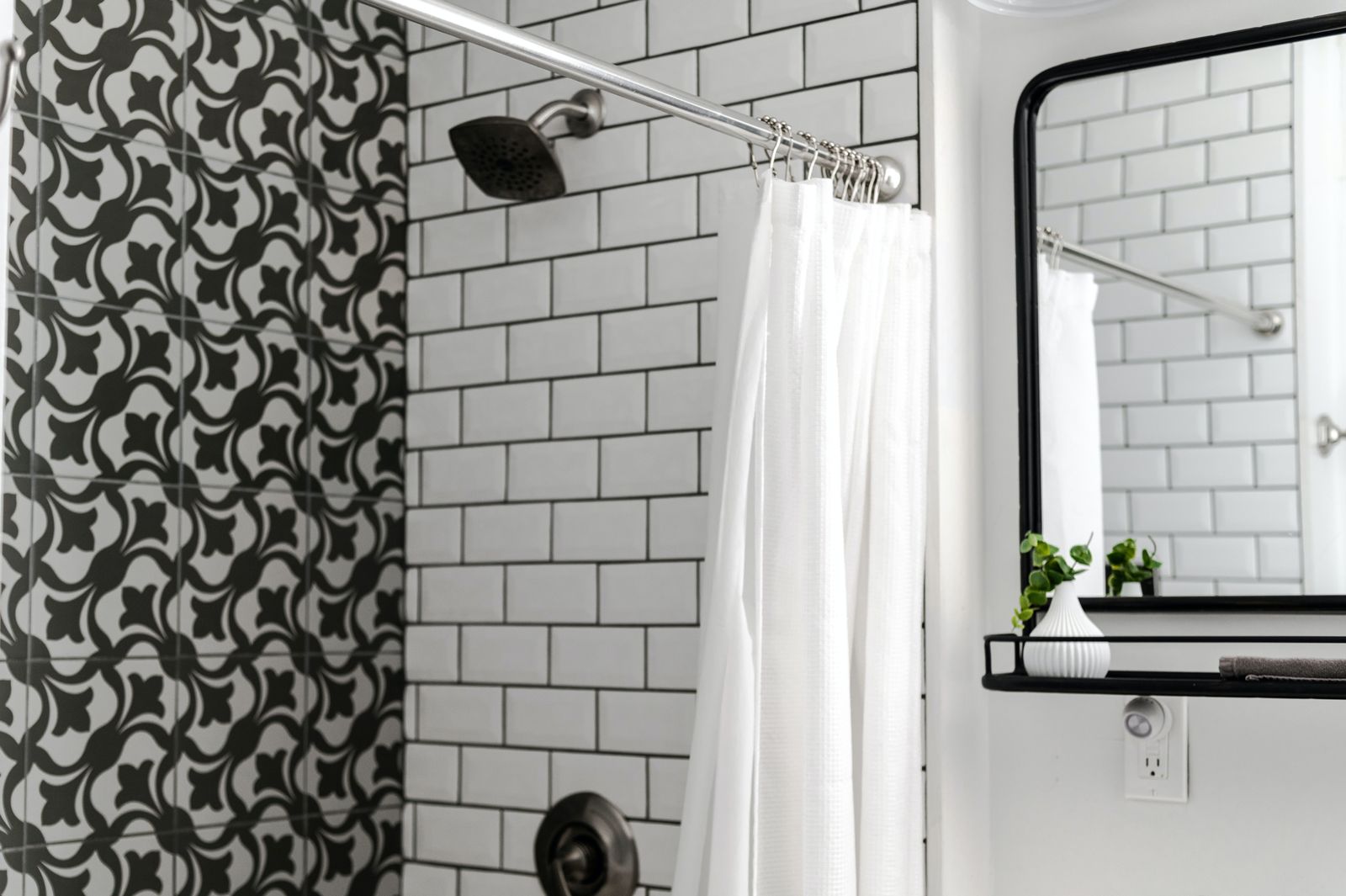
A WaterSense-labeled showerhead, such as the Delta Classic 2.0-GPM model at Lowe’s, typically costs around $25. EPA figures put annual savings at about $70 in combined water and water-heating energy costs, plus more than 2,700 gallons kept out of the drain each year. Divide the $25 cost by that $70 annual return and multiply by 12 months, and you get a payback period of roughly 4.3 months. Installation is a five-minute, wrench-free swap for most threaded shower arms, which makes this one of the best return-on-effort projects in the whole house, not just the bathroom.
3. Toilet: Payback in About 9 Months
This is the one people put off because it sounds like a bigger job, but a basic WaterSense two-piece toilet, like the entry-level Glacier Bay 1.28-GPF models sold at Home Depot, runs about $98 before installation. EPA estimates that swapping an older, inefficient toilet for a WaterSense model saves a typical family around $130 a year and 13,000 gallons annually, since old toilets can use 3.5 to 7 gallons per flush against 1.28 or less for a certified model. At $98 divided by $130 a year, the math works out to about 9 months to break even, assuming you install it yourself; hiring a plumber for the swap typically adds $150 to $300 in labor and will stretch the payback closer to a year and a half.
4. Bathroom Faucet: Payback in About 21 Months
If you’re remodeling anyway and want to replace the whole faucet body, not just retrofit the aerator, expect to pay more and wait longer for the return. A basic WaterSense-labeled single-handle faucet, such as the entry Glacier Bay models at Home Depot, costs roughly $45. The catch is that the water savings come from the same flow-restricting mechanism as the $7 aerator in item one, so you’re paying six times more for the identical roughly $25-a-year benefit rather than getting extra savings for the extra cost. Run the numbers and payback lands around 21 months. It’s still worth doing on a fixture you’re already replacing for style or age reasons, but it’s not the move if your only goal is cutting the water bill fast.
Before You Buy: The Label Matters More Than the Marketing
Look for the actual WaterSense label printed on the box or spec sheet, not just a “low-flow” claim on the shelf tag. WaterSense certification means the fixture was independently tested to deliver real-world performance at its reduced flow rate, so a certified showerhead or faucet won’t leave you standing under a weak trickle or flushing a toilet twice to clear the bowl, a common complaint with older, uncertified low-flow fixtures from the 1990s. For aerators specifically, check the thread type before you buy: most bathroom sink faucets use a female thread while kitchen faucets often use male or dual-thread fittings, and buying the wrong one means a return trip to the store instead of savings that start the same afternoon.
Leave a Reply