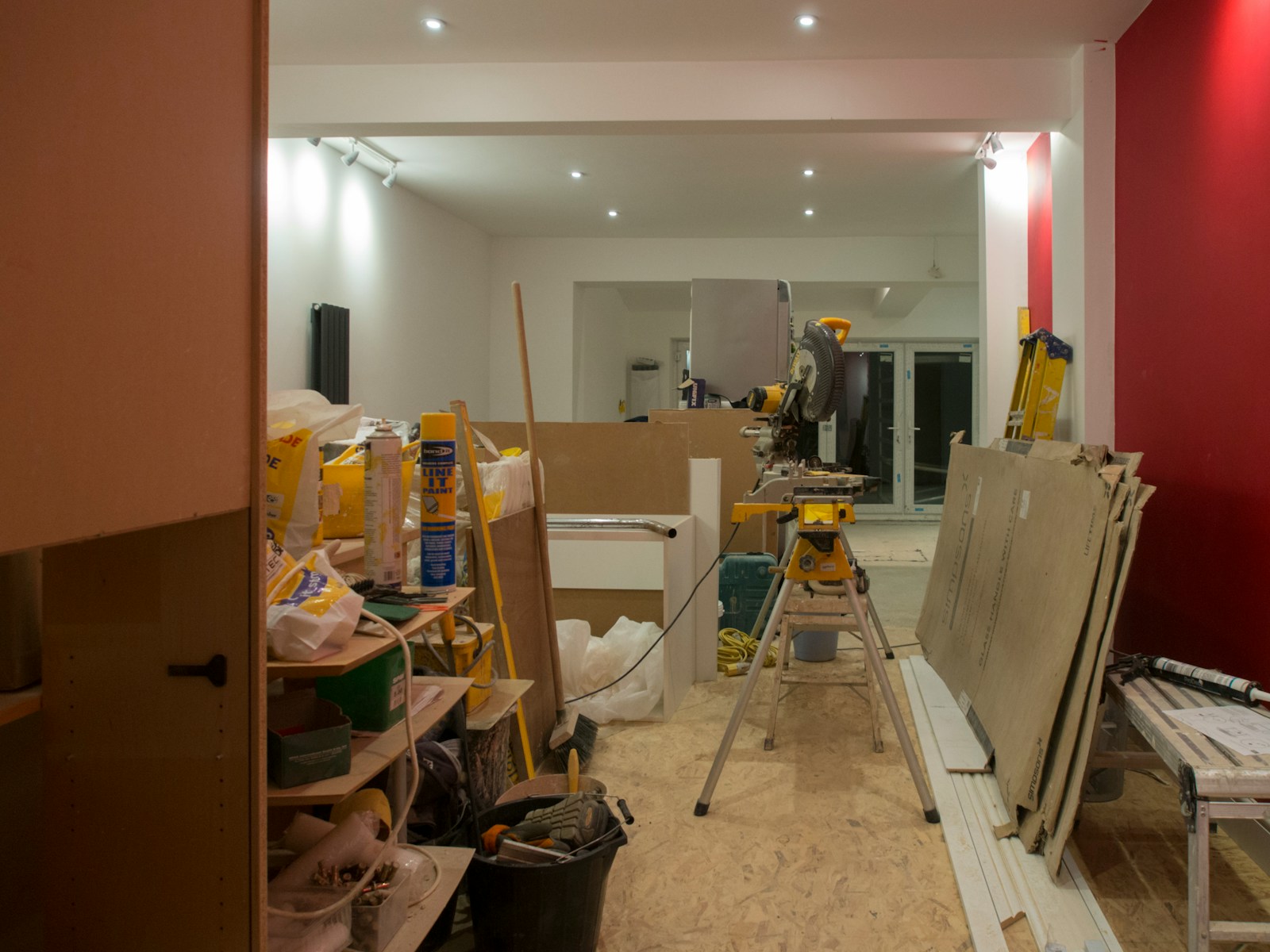
New residential construction fell 12.4% in July, sliding to a seasonally adjusted annual rate of 1.24 million units, with single-family starts down 9.9% from June and 15.7% from a year earlier, according to the National Association of Home Builders. Builder sentiment barely budged off the floor, edging up to 35 in August from 34 in July on the NAHB/Wells Fargo Housing Market Index, the 16th consecutive month the gauge has sat below the neutral reading of 40. Those figures describe a builder industry that is short on work right now. Layer them onto the calendar, and a second, older pattern reinforces the point: raw construction activity in the United States slows every year as fall turns to winter, then bottoms out in January, well before this particular downturn ever started. For anyone with a remodeling project sitting in a notebook, the two trends are converging on the same conclusion at the same time.

A Builder Slowdown With No Bottom in Sight
July’s drop wasn’t a one-month stumble. Single-family construction, the segment that competes most directly with remodelers for framing crews and electrical and plumbing subcontractors, has now fallen on both a monthly and an annual basis, according to NAHB’s reading of the July Census data. Builder confidence has held under the neutral-40 threshold for sixteen straight months, meaning more builders have viewed conditions as poor than good in every one of those readings, according to the Housing Market Index. A stretch that long has no recent precedent outside the 2007-2009 downturn. Fewer active job sites and fewer permits in the pipeline mean less competition for the same pool of skilled trades, and less pull drawing subcontractors away from smaller remodeling jobs toward large production-home developments.
Census Data Shows a Real Seasonal Dip, Not Just a Bad Year
Strip out the seasonal-adjustment factors, and the government’s own construction data shows the same fall-into-winter slide happens most years, downturn or not. Census Bureau figures on not-seasonally-adjusted housing starts, published through the Federal Reserve’s data archive, show January has been the weakest month on the calendar three years running: 97,700 units in January 2023, 97,900 in January 2024 and 95,000 in January 2025. November and December readings run only modestly higher, in the 99,000-to-116,000 range across those same three years. Compare that to March through August, when raw starts have typically run from roughly 110,000 units up to as high as 146,000 in a single month. That’s not a one-time market event. It’s the recurring shape of the residential construction calendar, driven largely by colder weather and shorter working days across much of the country. It’s also the mechanism behind the old idea that spring is remodeling’s busy season: crews who spend January and February with lighter job-site schedules are exactly the crews with room to take on new work before the March rush refills their calendars.
Remodeling Demand Is Cooling Too
The remodeling side of the industry isn’t shielded from any of this. NAHB’s own Remodeling Market Index registered 61 for the second quarter of 2026, and while that’s still in positive territory, its forward-looking component fell to 52, down two points from the first quarter, driven by a decline in the leads-and-inquiries reading to 51, according to the association’s second-quarter release. Fewer incoming leads today tend to show up as a thinner project backlog a few months out. Paired with a homebuilding sector pulling back on new construction, that points to remodeling contractors heading into fall carrying less already-booked work than they’d normally have on the calendar at this point in the year.
The Takeaway
None of this guarantees a discount, or an instant callback from every remodeler in a given zip code; local labor markets and material costs still vary by trade and by region. What the data supports is a narrower, more useful claim: late summer and early fall, right before the seasonal dip that Census figures show almost every year, is a stretch when general demand for construction labor is falling on two fronts at once, a historically slower season stacked on top of an already-weak housing-start cycle. Homeowners who get bids now, instead of waiting for the spring rush when new construction and remodeling demand typically climb back together, are asking for a contractor’s attention at close to the lightest point on that contractor’s calendar all year.
Leave a Reply