
It took engineers three years and two written reports before anyone at London’s Delaware Mansions could prove what was cracking their building’s foundation: roots from a plane tree that had been growing on the street outside for decades, owned not by the building’s residents but by the local council next door. By the time the structural fix was finished, the property’s owners had spent more than £570,000 repairing the damage, and the case that followed became one of the defining legal precedents for who pays when a neighboring tree’s roots wreck a foundation, according to the judgment record summarized in Delaware Mansions Ltd v City of Westminster City Council.
What the engineers found
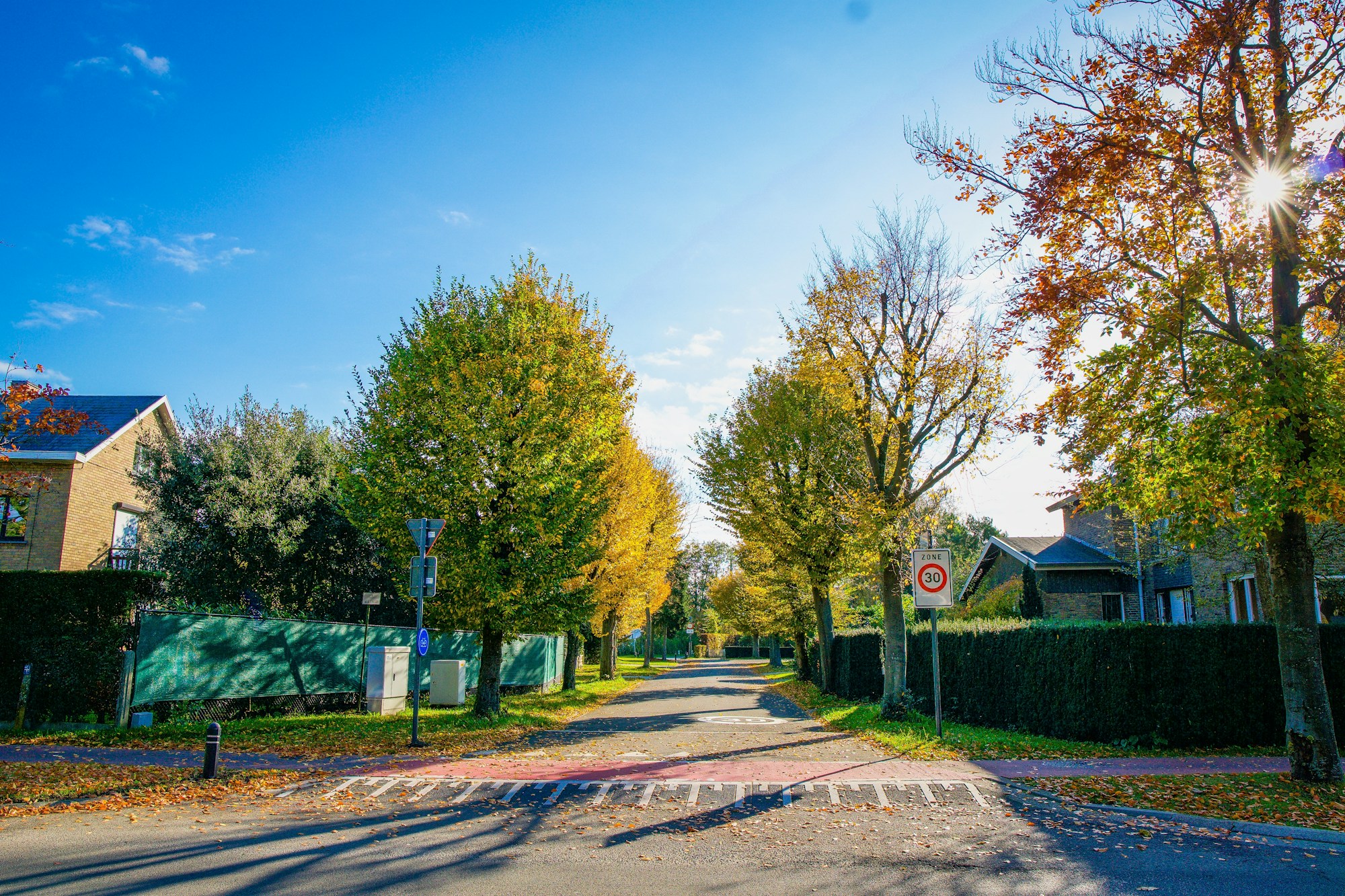
Cracking complaints at the Maida Vale building started in 1989. A first engineer’s report that winter identified the roots of a nearby London plane tree, owned and maintained by Westminster City Council, as the cause of the foundation movement; a second report the following year confirmed the diagnosis with greater urgency. The tree itself had been there for years before anyone connected it to the damage — root-driven foundation cracking tends to develop slowly, through seasonal soil movement, which is part of why it so often gets misdiagnosed at first as ordinary settling. The council did not cut back the roots until October 1991, and the underpinning work needed to stabilize the building’s foundation wasn’t completed until the following July.
The financial reckoning was significant even by the standards of major structural repairs: just over £570,000 in direct costs, plus an additional £265,000 in interest that the Court of Appeal later awarded on top of the repair bill. When the case reached the House of Lords, the ruling established a principle property attorneys still cite today — once a property owner knows about tree-root damage, is formally notified, and still fails to act, the affected party can fix the problem themselves and recover the cost.
Why this keeps happening between ordinary neighbors
The mechanism behind Delaware Mansions is exactly what plays out on a smaller scale between homeowners every year. Tree roots don’t puncture a foundation directly; they dry out and shrink clay-rich soil as they search for water, and that soil contraction is what pulls support out from under a slab or footing, producing the kind of slow, spreading cracks that can take years to trace back to their source. Legal guides for homeowners, including explainers published in Nolo’s legal encyclopedia, note that liability generally hinges on the same factor that decided the Delaware Mansions case: whether the tree’s owner knew, or should have known, that the roots posed a risk, and whether they had a chance to address it before the damage became severe.
That standard puts homeowners in an uncomfortable position. A tree planted decades earlier, long before either household owned their property, can sit quietly for years while its root system spreads underground well past the property line, with no visible warning until cracks start appearing inside the house. Because the damage develops so gradually, homeowners often spend years chasing other explanations — a settling foundation, drainage problems, a bad original pour — before a structural engineer finally traces the pattern back to root activity next door. By that point, the fix usually isn’t as simple as removing the tree; the soil-moisture balance the roots had been managing for years shifts once they’re gone, which can, counterintuitively, worsen movement in the short term if the removal isn’t handled carefully.
The legal path homeowners actually have is narrower than most expect. In most jurisdictions, a homeowner has the right to trim roots that cross onto their own property, but cannot unilaterally remove a neighbor’s tree, and recovering repair costs typically requires showing the same thing the Delaware Mansions ruling turned on: documented notice, and a documented failure to act. For most families staring at a spreading crack, the real fight usually isn’t with the tree at all — it’s with proving, on paper, exactly when the neighbor knew.
Structural engineers who handle these cases often recommend a root barrier, a buried physical shield installed between the tree and the foundation, as a preventive measure for homes near mature trees that haven’t yet shown damage. It’s a far cheaper fix than underpinning a foundation after the fact, but it only works if it goes in before the roots have already reached the soil beneath the slab, which is precisely the window most homeowners never get, because nobody thinks to check what a neighbor’s tree is doing underground until the cracks are already climbing the living room wall.
Leave a Reply